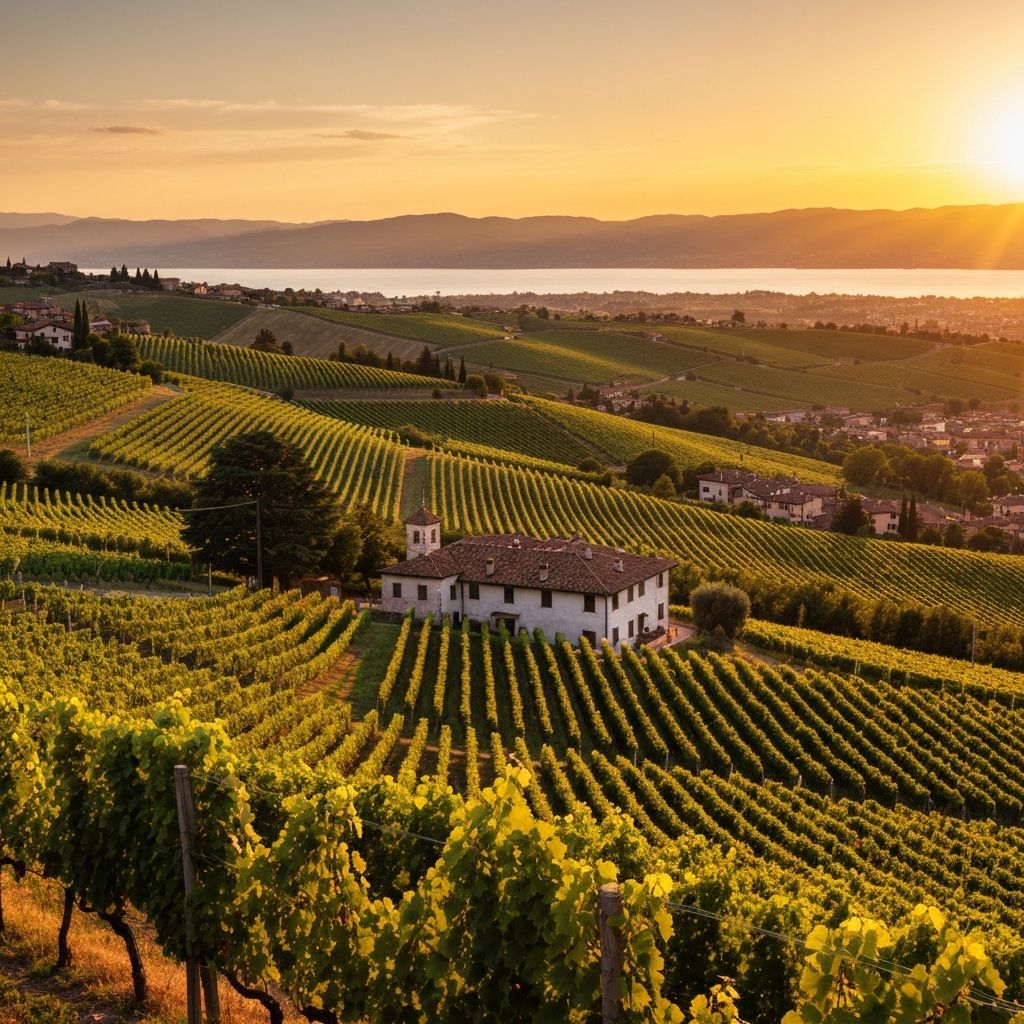
Tommasi is a family winery in Pedemonte, in the heart of the Valpolicella Classica, run by the same family since 1902 — and it can be visited by booking. Four generations after Giacomo Tommasi planted his first vines, the estate is the largest family-owned vineyard holder in the Classica zone. This guide covers where it is, what you’ll taste, and how to arrange a private visit.
Ready to plan your trip?
Let's design your perfect Italian wine experience
Every tour is tailor-made. Reach out and we'll craft an itinerary that fits your pace, your tastes, and your story.
Why Tommasi is worth visiting
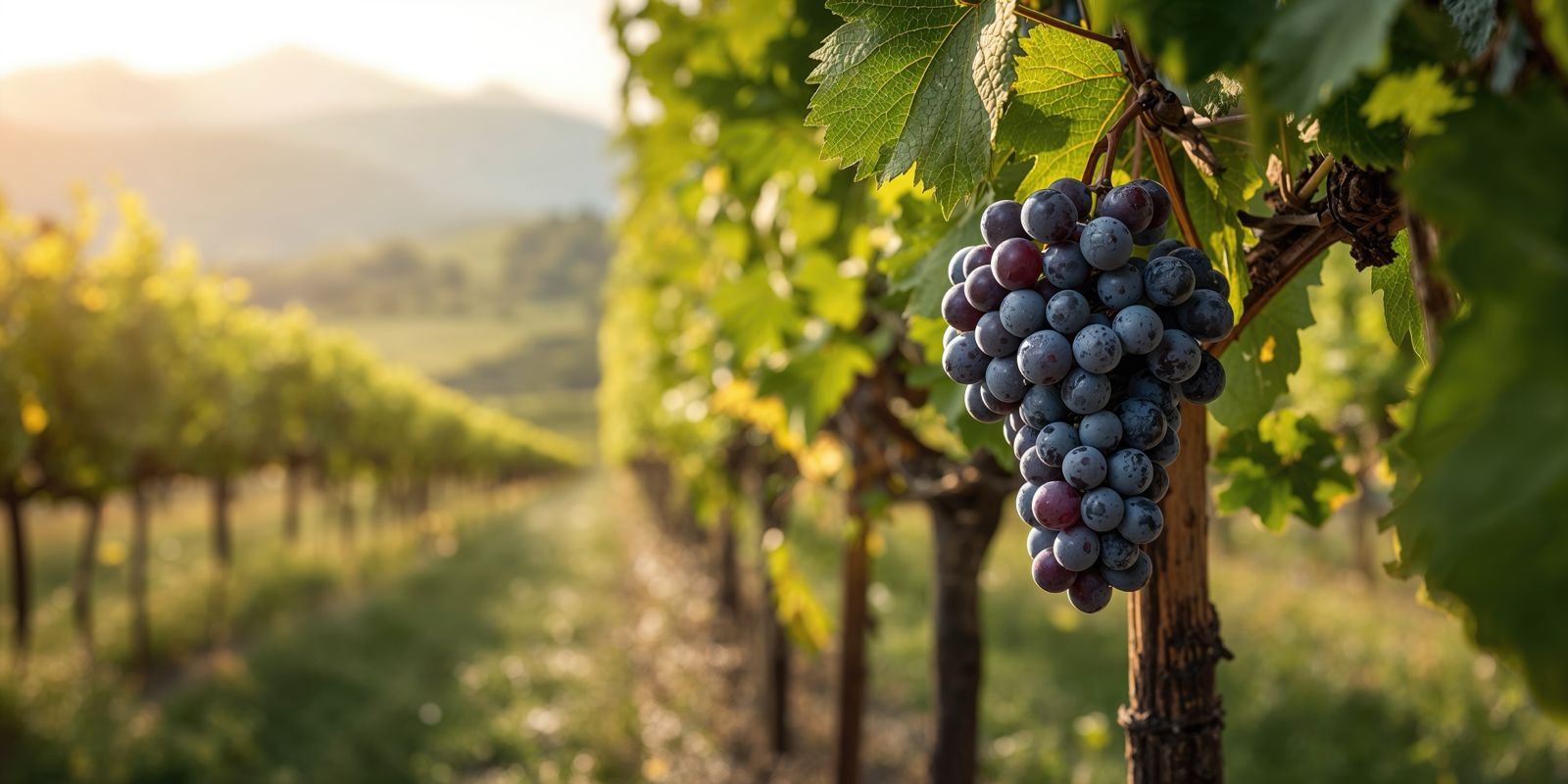
Plenty of Valpolicella wineries are historic; few let you read the whole history in one property. Tommasi began in 1902 with Giacomo Tommasi’s vines in Pedemonte and grew, generation by generation, into 105 hectares in the Valpolicella Classica plus 15 in Lugana — all still owned and run by the family, now in its fourth generation.
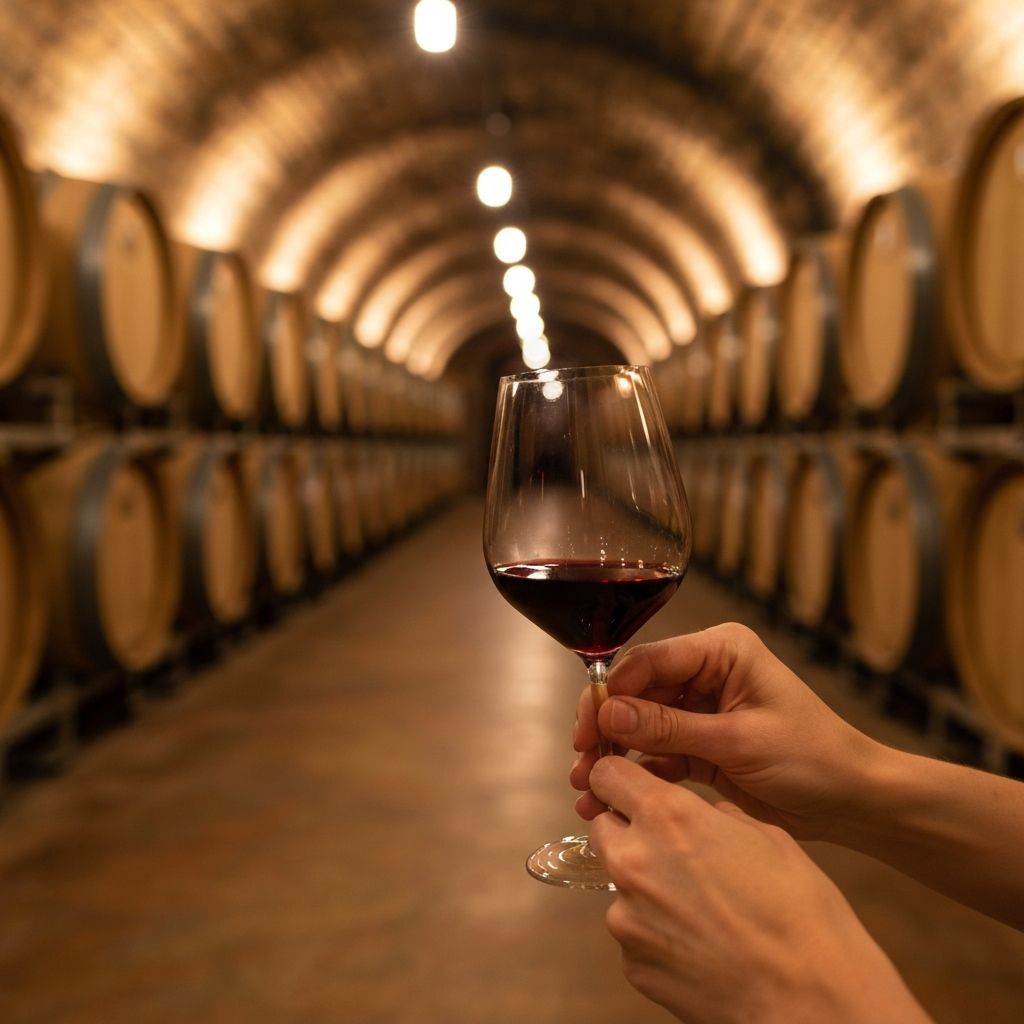
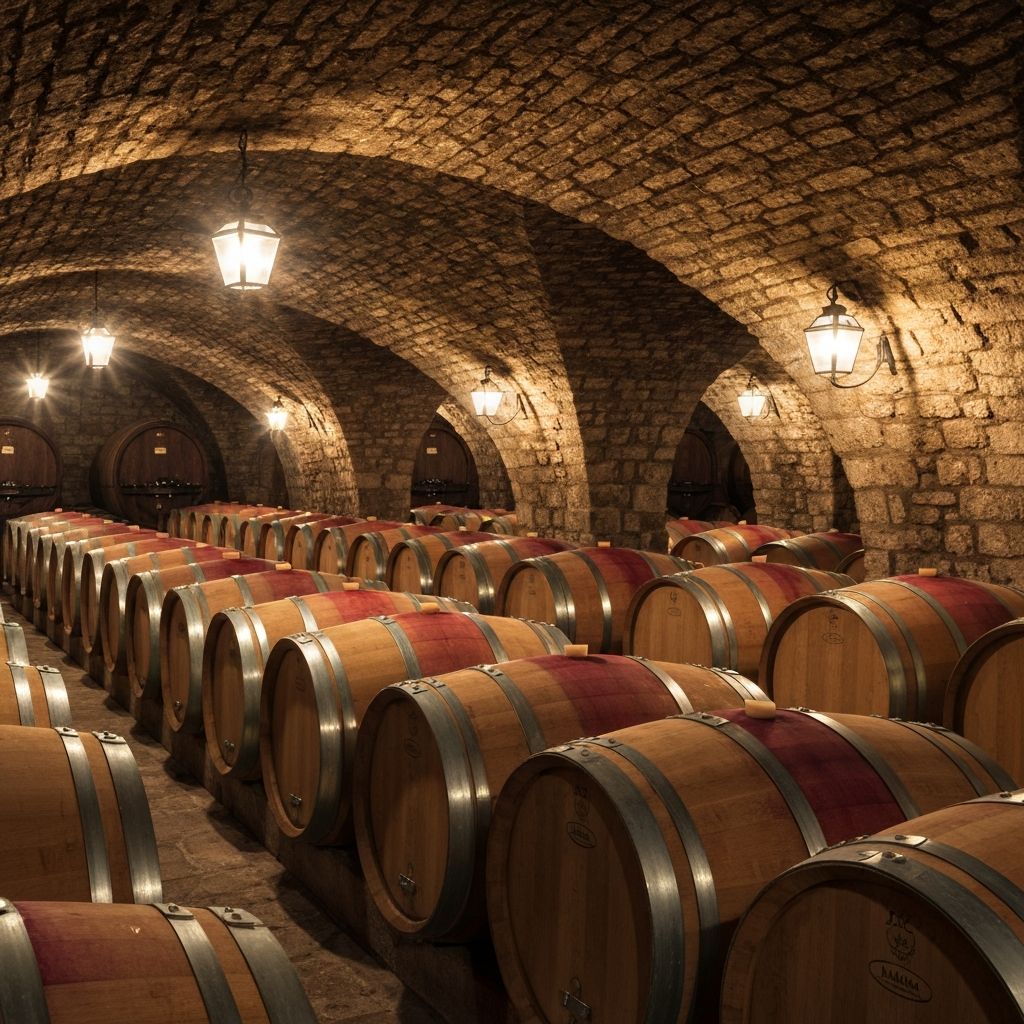
The estate’s calling cards sit at the top of the range: Ca’ Florian, an Amarone Riserva from the family’s oldest vineyard, and De Buris, a single-vineyard Riserva aged at the fifteenth-century Villa De Buris and released only after years of maturation — the 2008 was its first vintage. The cellar itself supplies the theatre: Magnifica, billed as the world’s largest oak cask, presides over the ageing hall.
Where it is and how to get there
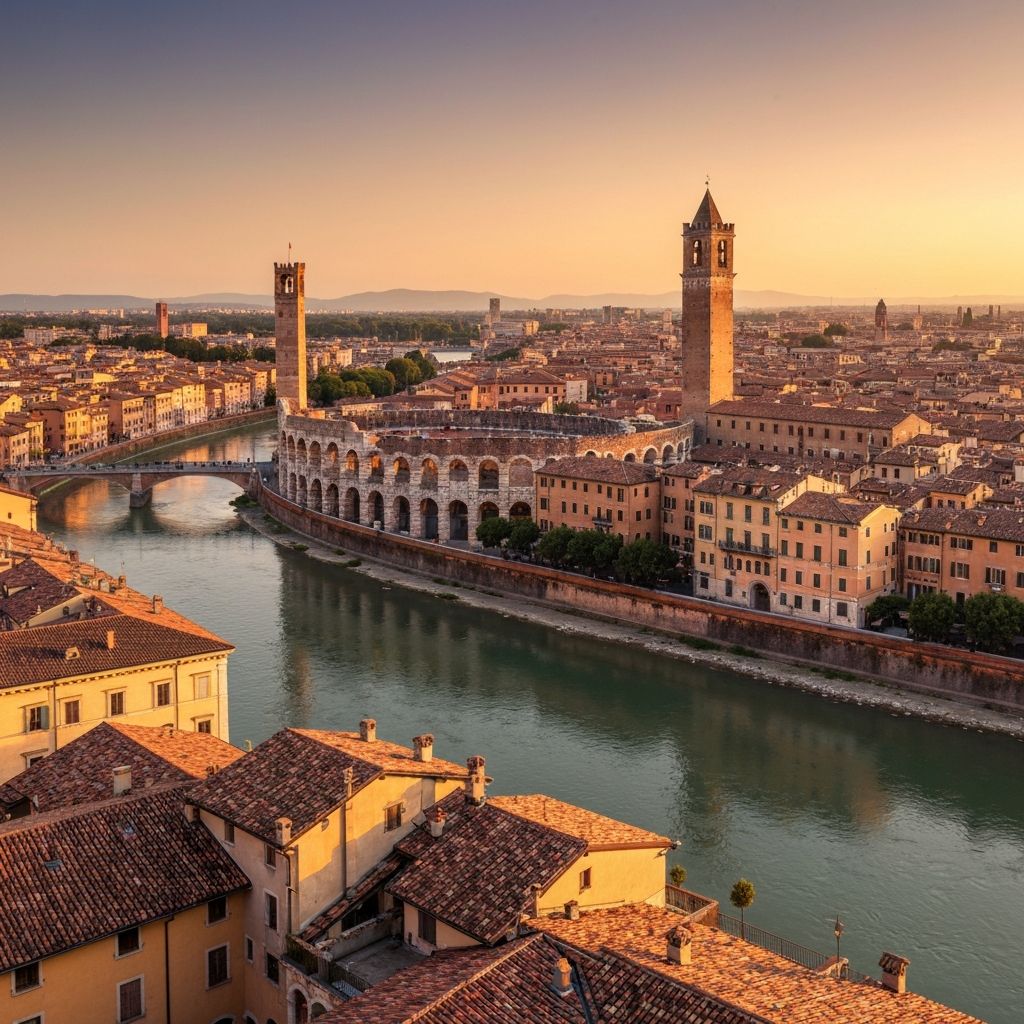
The winery is in Pedemonte, a village of San Pietro in Cariano at the centre of the Classica zone, roughly 20 minutes by car north-west of Verona. Of the historic Amarone houses, it is among the closest to the city — practical if you want a serious cellar visit inside a half-day.
What you’ll taste
Tours end with a seated tasting; the range moves through the whole Veronese ladder:
- Amarone della Valpolicella Classico — the house benchmark from Corvina and Rondinella dried in the estate fruttaio.
- Ca’ Florian Amarone Classico Riserva — from the five-hectare Ca’ Florian vineyard, the family’s oldest.
- De Buris Amarone Classico Riserva — the single-vineyard flagship, aged at Villa De Buris.
- Ripasso and the classic reds — the everyday register of the same vineyards.
Standard formats run about an hour and a half: three wines with cheese and salumi, or five with finger food. The walk itself — historic vineyard, drying loft, cask hall — is a compact lesson in how Amarone is actually made.
Tommasi among the Amarone houses
Tommasi belongs to the classical school of Valpolicella: family capital, estate vineyards, large-cask ageing. Its natural companion visit is Masi in Gargagnago, the appellation’s other great ambassador, while the cult growers — Quintarelli, Dal Forno — show the territory’s opposite, artisanal extreme.
How to arrange your visit
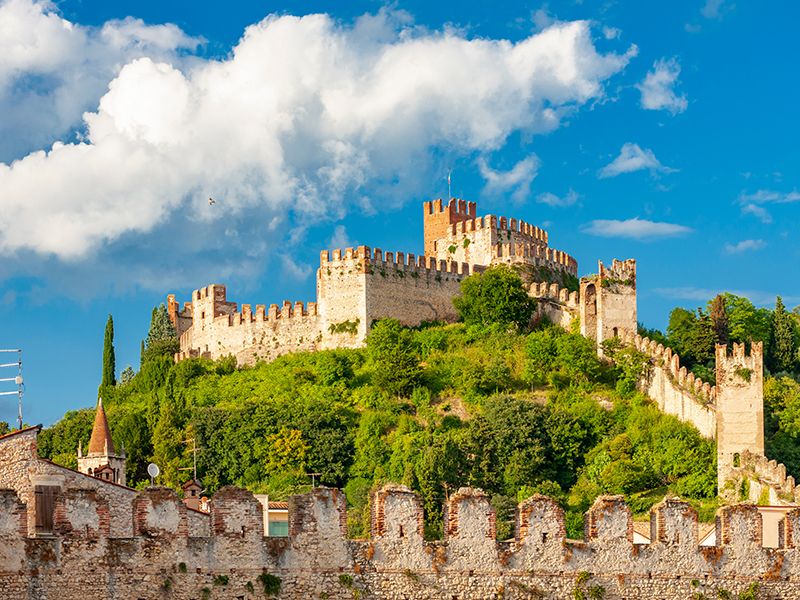
Tours run Monday to Saturday and must be booked. Enouting arranges the private visit and tasting, transport from Verona or Lake Garda, and a sommelier who sets the wines in context. The Taste of Valpolicella day is the natural setting; for a longer arc through the Veronese appellations, Between Soave and Valpolicella pairs the region’s great red with its great white.
Frequently Asked Questions
Can you visit the Tommasi winery?
Yes, by booking. Tommasi runs guided tours Monday to Saturday at its winery in Pedemonte, moving from the historic vineyard behind the cellar to the Amarone drying loft and the cask hall, followed by a seated tasting. Enouting arranges the private visit with transport from Verona and a sommelier.
Where is the Tommasi winery?
Tommasi is in Pedemonte, in the comune of San Pietro in Cariano, at the heart of the Valpolicella Classica. It is about a 20 minute drive north-west of Verona, which makes it one of the easiest historic Amarone cellars to reach from the city.
What wines does Tommasi make?
The core is Amarone della Valpolicella Classico, alongside Ripasso and the classic Veronese reds. At the top sit two Riserva Amarones: Ca' Florian, from the family's oldest vineyard in San Pietro in Cariano, and the single-vineyard De Buris, aged at the fifteenth-century Villa De Buris and first released with the 2008 vintage. The family also farms 15 hectares in Lugana.
What is the Magnifica cask?
Magnifica is the enormous Slavonian oak cask in the Tommasi ageing cellar, presented by the family as the largest oak cask in the world. It has become the symbol of the visit, and the cask hall around it is where the estate's Amarone and Ripasso mature.
Planning a trip?
Wine trip notes from Verona
Occasional emails on harvest timing, when the appointment-only estates release dates, and how to plan a wine trip in the Veneto. Written by our guides, not a marketing team.
No spam, and we never share your address. Unsubscribe any time.