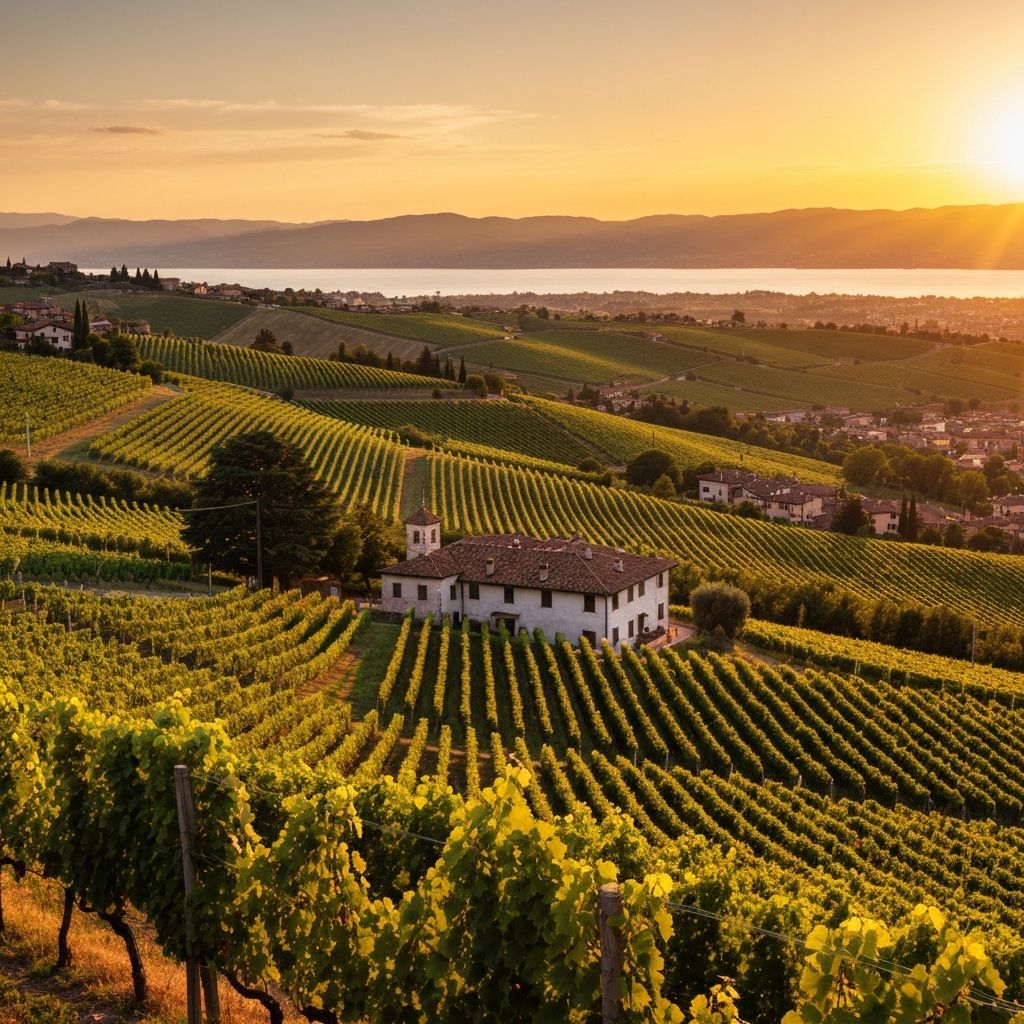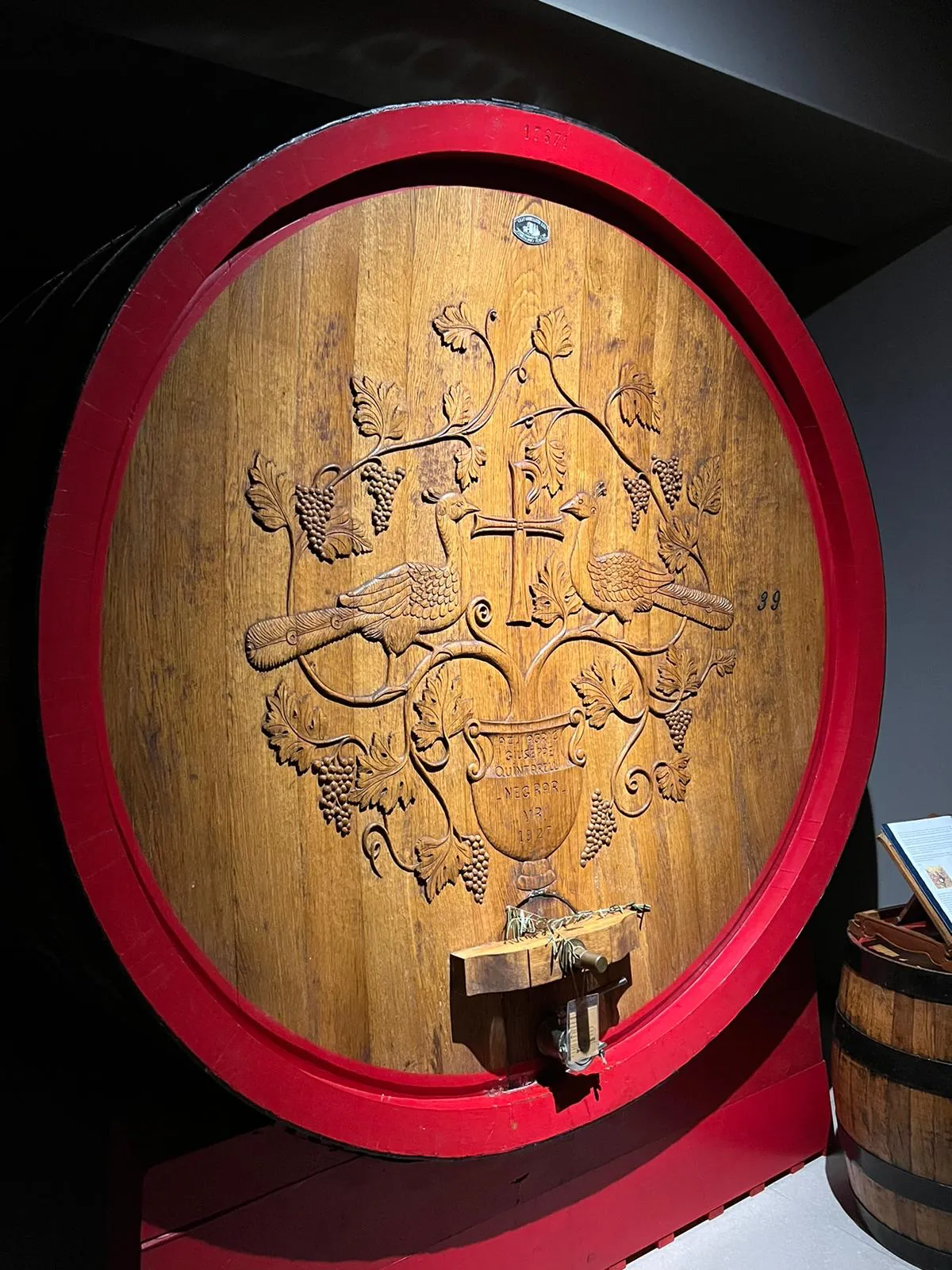
Amarone della Valpolicella is a dry red wine from the hills north of Verona, made from grapes dried for several months before pressing. That drying — appassimento — concentrates sugars and flavours, producing a wine of 15 to 16 percent alcohol with remarkable depth. It has been a DOCG, Italy’s highest classification, since 2010. This guide explains how it is made, how it tastes, and how it differs from the other wines of Valpolicella.
Ready to plan your trip?
Let's design your perfect Italian wine experience
Every tour is tailor-made. Reach out and we'll craft an itinerary that fits your pace, your tastes, and your story.
How Amarone is made
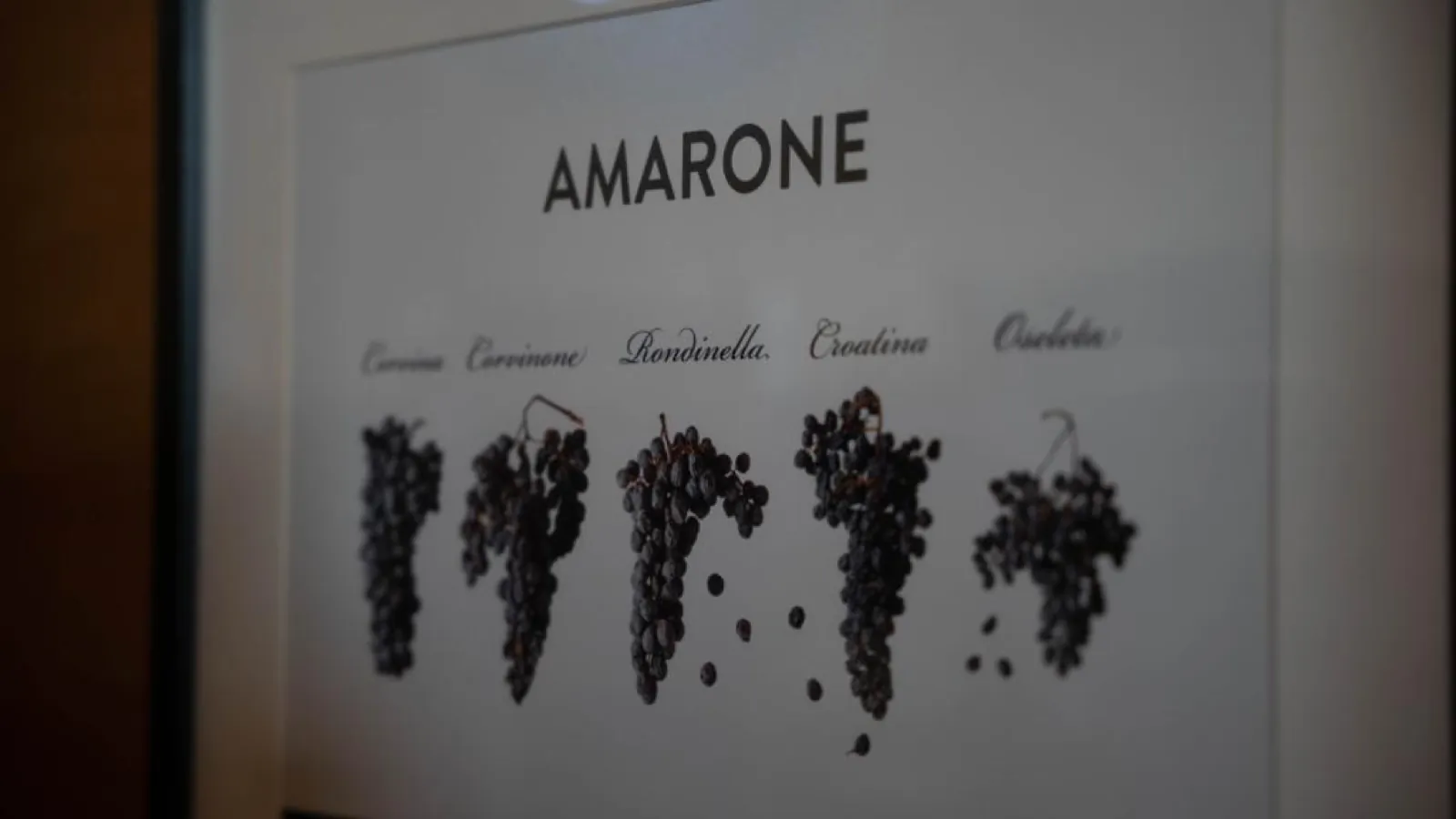
The grapes — chiefly Corvina, with Corvinone and Rondinella — are harvested slightly early to preserve acidity, then laid in a fruttaio, a ventilated drying loft, for roughly 100 to 120 days.
Over that period they lose about a third of their weight in water. Sugars, acids and aromatic compounds concentrate in what remains. When the shrivelled grapes are finally pressed, usually in January or February, the resulting must is so rich that fermentation is slow and prolonged.
Crucially, that fermentation runs to completion: the sugar converts to alcohol, and the wine finishes dry. This is the single fact most often misunderstood about Amarone. Its richness reads as sweetness on first taste, but there is little residual sugar. Our guide to the appassimento method covers the technique in detail.
What it tastes like
Dried cherry and fig, chocolate, tobacco, sweet spice; full-bodied, with a warming finish. The best examples hold a savoury, faintly bitter edge that keeps the concentration from becoming cloying — and that bitterness gives the wine its name. Amaro means bitter in Italian, a label originally used to distinguish it from the sweet Recioto it was accidentally derived from.
Amarone, Ripasso, Valpolicella and Recioto
The four wines of the appellation come from the same grapes and differ entirely in method. This is the clearest way to hold them apart:
| Wine | Method | Style |
|---|---|---|
| Valpolicella Classico | fresh grapes, no drying | light, cherry, everyday |
| Ripasso | re-fermented on Amarone skins | medium-full, warm |
| Amarone | fully dried grapes, fermented dry | powerful, dry, 15–16% |
| Recioto | dried grapes, fermentation stopped early | sweet, the historic original |
Recioto came first. Amarone, according to the region’s own account, began as a Recioto whose fermentation was allowed to run too far — producing a dry wine instead of a sweet one. The “mistake” became the region’s most celebrated product.
What it costs and why
Entry-level Amarone starts around €25–35 a bottle; established producers sit well above that, and cult estates reach several hundred.
The cost is structural rather than fashionable. Drying removes a third of the fruit’s weight, so a bottle demands substantially more grapes than a conventional red. The drying lofts occupy space for months and require constant checking for rot. Then the wine ages for a legal minimum of two years — four for Riserva — before any revenue arrives.
Where to taste it
Amarone is best understood in the cellars where it is made, tasted alongside the Classico and Ripasso from the same producer so the effect of the method is obvious rather than theoretical.
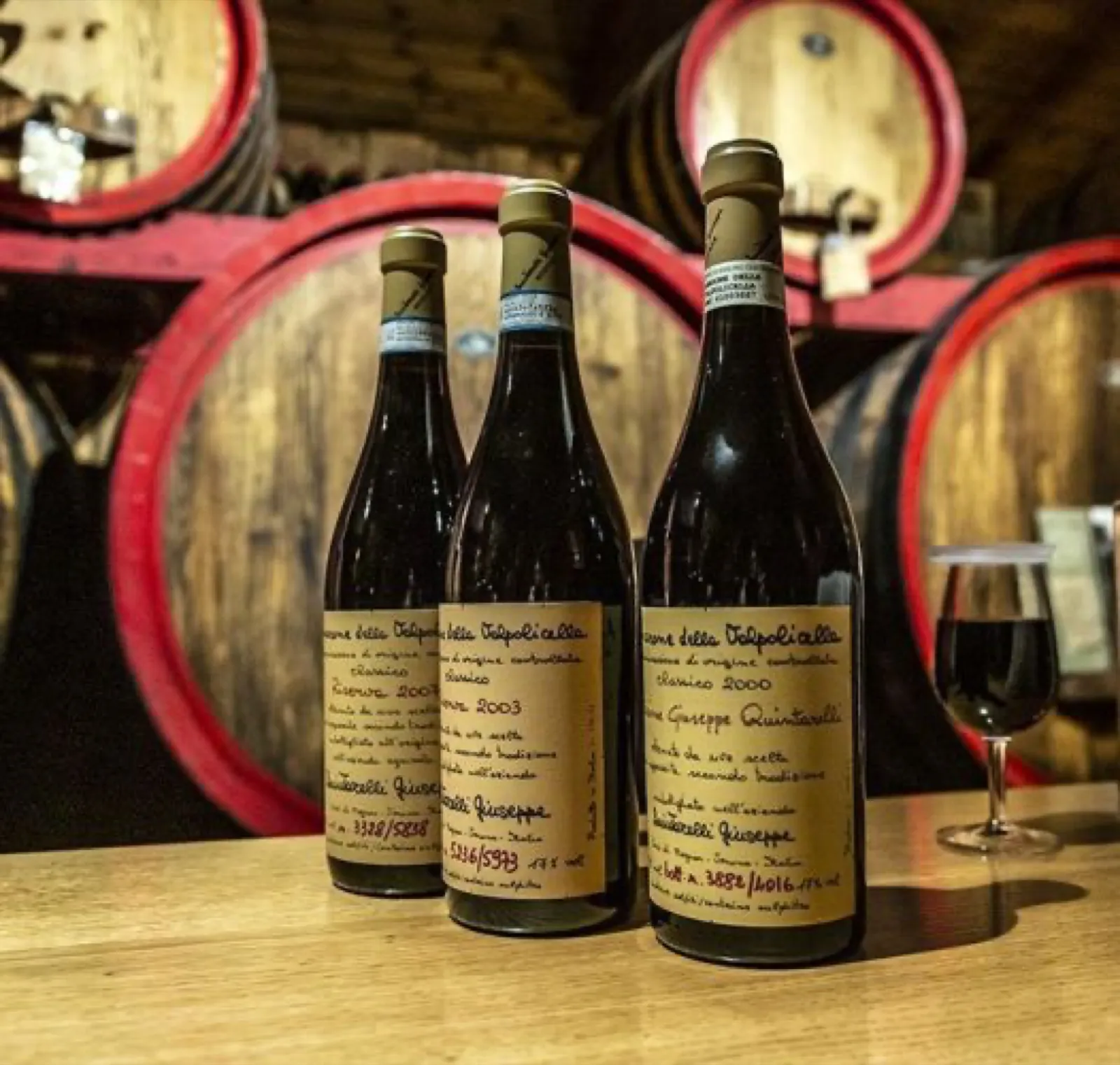
Our Taste of Valpolicella tour is built around that progression. For the region’s two most revered Amarone producers, both visitable only by private appointment, see our guides to Giuseppe Quintarelli and Romano Dal Forno — and the Valpolicella wine tours guide for planning the wider visit.
Amarone cellars you can visit
Beyond the cult names, several benchmark Amarone producers receive visitors, and Enouting arranges private tastings at each:
- Masi — the winery in Gargagnago that made Amarone a global ambassador.
- Tommasi — the family-run Pedemonte cellar, with the giant Magnifica cask.
- Bussola — Tommaso Bussola’s estate, a study in how one producer’s Amarone compares to the region’s other styles.
Amarone is the summit, but not the whole mountain — our guide to the wines of Verona maps the full range around it, from Soave to the lake wines.
Frequently Asked Questions
What is Amarone della Valpolicella?
Amarone della Valpolicella is a dry red wine from the hills north of Verona, made from grapes that are dried for several months before pressing. The drying process, called appassimento, concentrates sugar and flavour, producing a wine of unusual depth and strength — typically 15 to 16 percent alcohol. It has held DOCG status, Italy's highest classification, since 2010.
Why is Amarone so expensive?
Three reasons compound. Drying the grapes costs roughly a third of their weight in water, so it takes far more fruit to make a bottle than for a normal red. The dried grapes occupy purpose-built lofts for months and must be checked constantly for rot. And the wine then ages for a legal minimum of two years, often much longer, before it can be sold. The price reflects volume lost and time spent.
What does Amarone taste like?
Expect dried cherry and fig, chocolate, tobacco and sweet spice, with a full body and a warming finish from the high alcohol. Despite that richness Amarone is a dry wine — the sugar is converted during fermentation. Well-made examples keep a savoury, slightly bitter edge, which is where the name comes from: amaro means bitter in Italian.
What is the difference between Amarone and Ripasso?
Amarone is made entirely from dried grapes. Ripasso is a standard Valpolicella that is re-fermented on the leftover skins from Amarone production, picking up some of its body and warmth. Ripasso is lighter, cheaper and ready sooner — which is why it is often called baby Amarone.
How should you serve and pair Amarone?
Serve it at around 18°C in a large glass, opened an hour ahead. It suits braised and roasted meats, game, aged cheeses such as Monte Veronese, and the local risotto all'Amarone. Because of its weight it overwhelms delicate dishes — it is a wine for the main course or for slow drinking on its own.
How long does Amarone age?
The legal minimum is two years, rising to four for a Riserva, but the wine's real ageing window is far longer. Good bottles from strong vintages drink well at fifteen to twenty years, and the most structured examples considerably beyond that. Amarone is one of the longest-lived Italian reds.
Planning a trip?
Get the free 3-day Valpolicella plan
The itinerary we'd build for a first visit — yours by email, plus occasional guides from Verona. No spam.
No spam, and we never share your address. Unsubscribe any time.