Verona sits at the centre of one of Italy’s great wine provinces. Within an hour of Piazza Bra you can stand in the drying lofts of Amarone, the volcanic hills of Soave, and the lakeside vineyards of Bardolino and Lugana — five distinct wine regions around a single city. This guide maps what each one makes, how the wines differ, and how to taste your way through them.
Ready to plan your trip?
Let's design your perfect Italian wine experience
Every tour is tailor-made. Reach out and we'll craft an itinerary that fits your pace, your tastes, and your story.
What wine is Verona known for?
One name first: Amarone della Valpolicella, the dried-grape red that carried Verona’s wine reputation to the world. But treating Verona as a one-wine city misses the point. The province is among the most productive in Italy, hosts Vinitaly — the country’s largest wine fair — every April, and pours a complete table of wines: structured reds, an iconic white, pink lake wines and dessert bottles that predate them all.
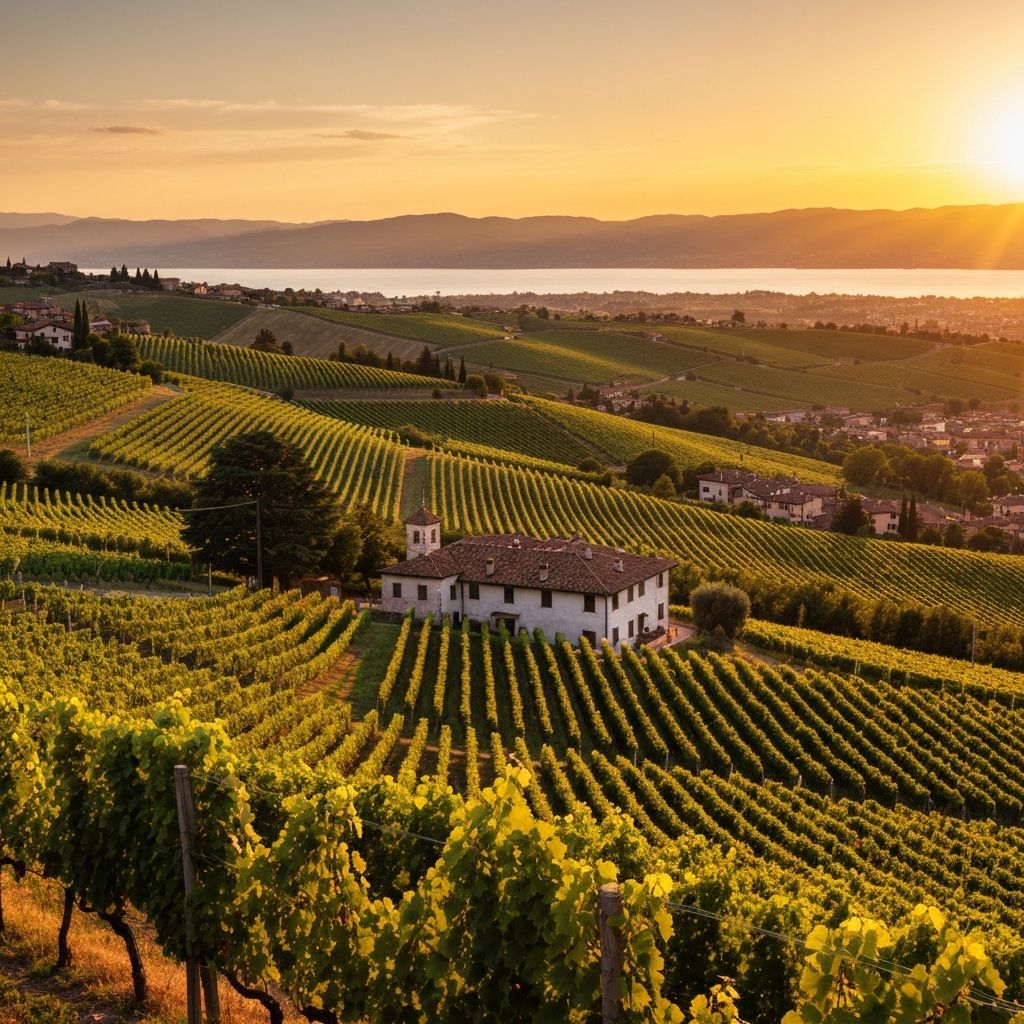
The useful mental map is three zones. North of the city, the Valpolicella hills make the red family. East, the volcanic hills of Soave make the signature white. And south-west toward Lake Garda, Bardolino, Chiaretto, Lugana and Custoza make the lighter drinking that fills Veronese tables all summer.
The Valpolicella family: one vineyard, four wines
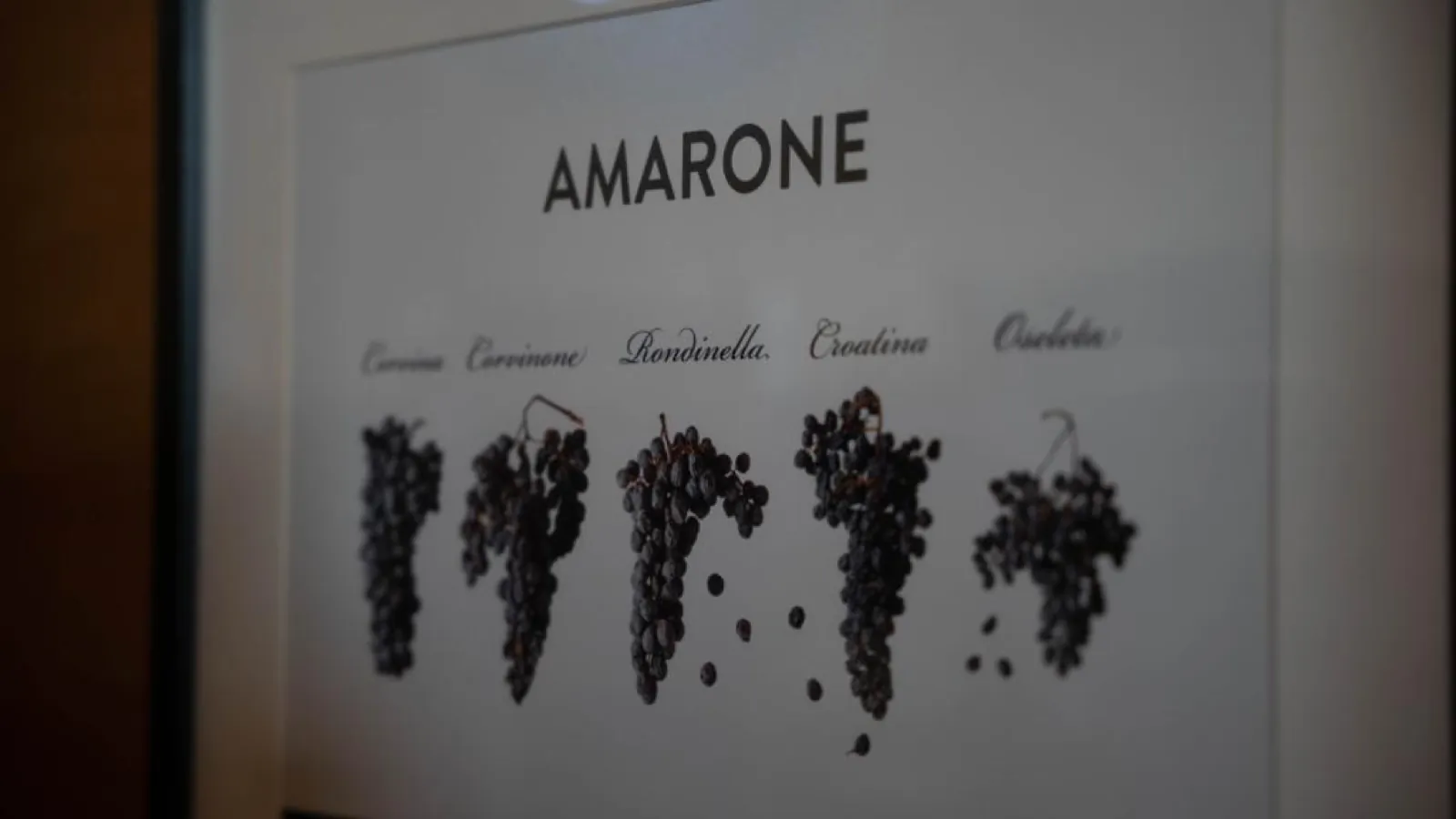
The hills north of Verona produce four wines from the same grapes — Corvina, Corvinone and Rondinella. What changes is what happens after the harvest:
| Wine | Method | Character |
|---|---|---|
| Valpolicella Classico | fresh grapes, normal fermentation | bright cherry, easy, young |
| Ripasso | re-fermented on Amarone’s skins | medium-full, warm, “baby Amarone” |
| Amarone | grapes dried 100–120 days | powerful, dry, 15–16% |
| Recioto | dried grapes, fermentation stopped early | sweet, the family’s ancestor |
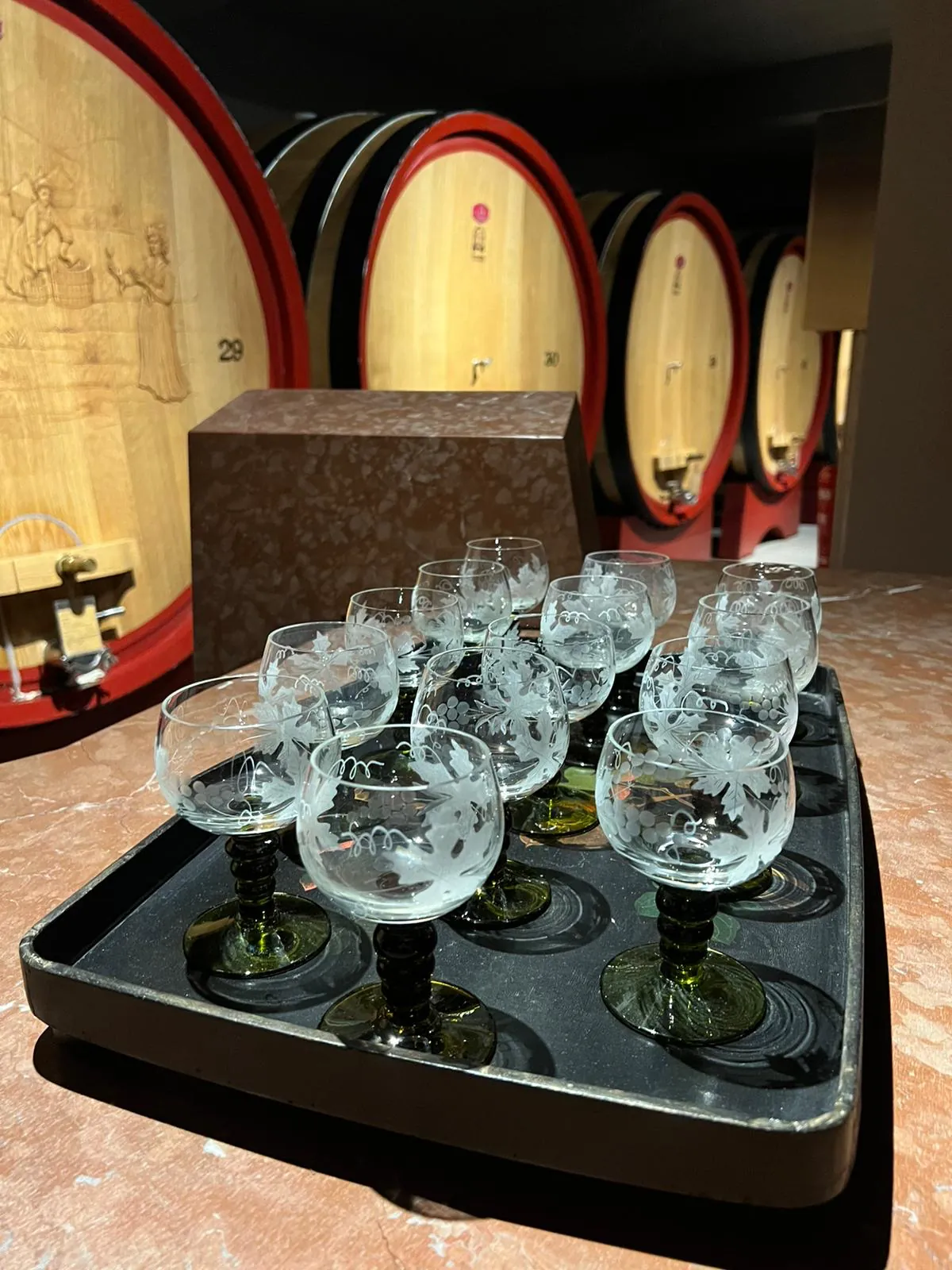
The thread connecting them is appassimento, the grape-drying technique Verona has practised since Roman times. Tasting the family in sequence at one producer — Classico, then Ripasso, then Amarone — is the single most instructive flight in the province, and the spine of our Taste of Valpolicella day.
Soave: Verona’s great white
East of the city, around a medieval walled village of the same name, Soave grows Garganega on dark volcanic soils. The result is a white that surprises people who knew only the mass-market bottlings of decades past: saline, lemon and white-almond flavours, real mineral grip, and in the best crus — Calvarino, La Rocca, Monte Grande — genuine ageing ability.
Soave pairs with the lake fish, risotto and fresh cheeses of the local kitchen, and the village itself, castle included, is one of the prettiest wine destinations in the Veneto. Our Soave wine tours guide covers visiting; the Between Soave and Valpolicella day tastes the white and the red zones back to back.
Bardolino and Chiaretto: the lake reds
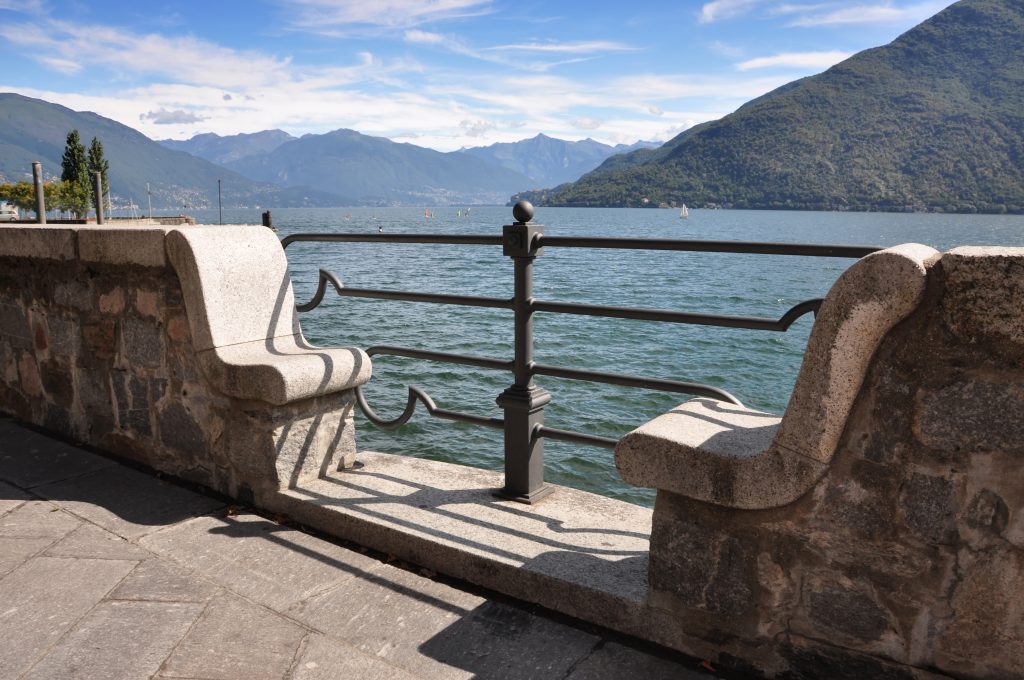
On the morainic hills along Lake Garda’s eastern shore, the same Valpolicella grapes turn into something completely different: Bardolino, a light, fragrant red for drinking young and slightly cool, and Chiaretto di Bardolino, its pale-pink sibling and one of Italy’s benchmark rosés. Neither aims for power — they aim for the lake table: grilled fish, pizza, summer evenings.
Bardolino deserves more attention than it gets; it is the wine Veronese families drink while their Amarone ages.
Lugana and Custoza: the whites of the southern shore
South of Garda, Lugana grows the Turbiana grape on heavy white clays — a white with stone-fruit flesh, saline finish and an ageing curve that embarrasses its modest price. Next door, Custoza blends Garganega with local varieties into one of the region’s most reliable everyday whites.
Our Lake Garda: Olive Oil & Wine experience pairs these wines with the shore’s other signature product, extra-virgin olive oil from the lake’s microclimate.
Which Verona wine should you choose?
- You want the icon — Amarone, opened an hour ahead, with braised meat or aged Monte Veronese.
- You want the icon’s character at a weeknight price — Ripasso, the most food-flexible red in the province.
- You drink white first — Soave from a cru vineyard, or Lugana if you prefer flesh over minerality.
- It is summer and you are near the lake — chilled Chiaretto or young Bardolino.
- You want the historical curiosity — Recioto, the sweet ancestor the Romans would recognise.
Visiting the wine regions from Verona
Every zone sits within easy reach of the city:
| Zone | From Verona | Taste it with us |
|---|---|---|
| Valpolicella | 20–30 min | Taste of Valpolicella, Lunch with Quintarelli |
| Soave | 30–40 min | Between Soave and Valpolicella |
| Bardolino / Lugana | 30–45 min | Lake Garda: Olive Oil & Wine |
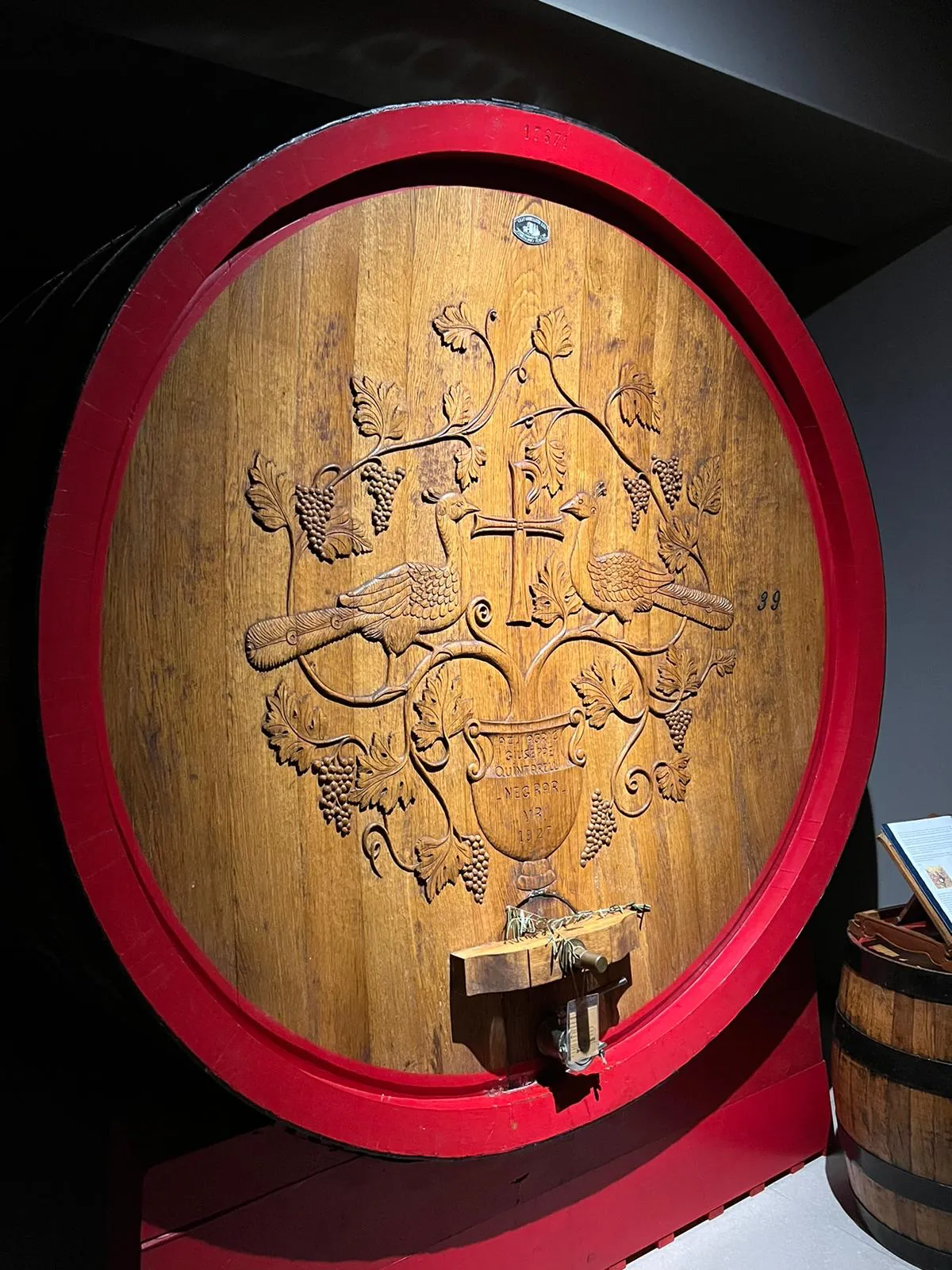
Producers here receive by appointment, and the best addresses — Quintarelli above all — open only to arranged private visits. That is the gap our private wine tours from Verona exist to close; if you would rather hand the whole decision over, the Surprise Wine Day picks the cellars for you and keeps them secret until the morning itself.
Frequently Asked Questions
What wine is Verona famous for?
Amarone della Valpolicella is Verona's flagship — a powerful dry red made from grapes dried for months before pressing. But the province produces a whole family around it: everyday Valpolicella Classico, the mid-weight Ripasso, sweet Recioto, the white Soave, the light lake reds Bardolino and Chiaretto, and the crisp whites Lugana and Custoza near Lake Garda.
Is Valpolicella a wine or a place?
Both. Valpolicella is the band of hills immediately north of Verona, and the name of the red wines grown there. The same vineyards and grapes produce four different wines — Classico, Ripasso, Amarone and Recioto — depending on how the fruit is handled after harvest.
What is the difference between Soave and Lugana?
Both are Veronese whites, but from different grapes and soils. Soave comes from Garganega grown on volcanic hills east of Verona — saline, citrus, almond. Lugana comes from Turbiana on the white clays south of Lake Garda — rounder, stone fruit, with surprising ageing ability. Tasting them side by side is the quickest way to understand the difference.
Can you taste wine in Verona city itself?
Yes — the city's enoteche and wine bars pour the whole provincial range by the glass. But the cellars themselves start just 20 minutes from Piazza Bra: Valpolicella to the north, Soave to the east, Bardolino and Lugana toward the lake. A guided day reaches any of them comfortably, which is why Verona works so well as a wine base.
When is the best time to visit Verona's wine regions?
September and October bring the harvest and the drying lofts filling up for Amarone — the most atmospheric moment. Spring offers green vineyards and quiet cellars. April adds Vinitaly, Italy's largest wine fair, when the city itself becomes the tasting room. Most family producers receive visitors year-round by appointment.
Planning a trip?
Get the free 3-day Valpolicella plan
The itinerary we'd build for a first visit — yours by email, plus occasional guides from Verona. No spam.
No spam, and we never share your address. Unsubscribe any time.