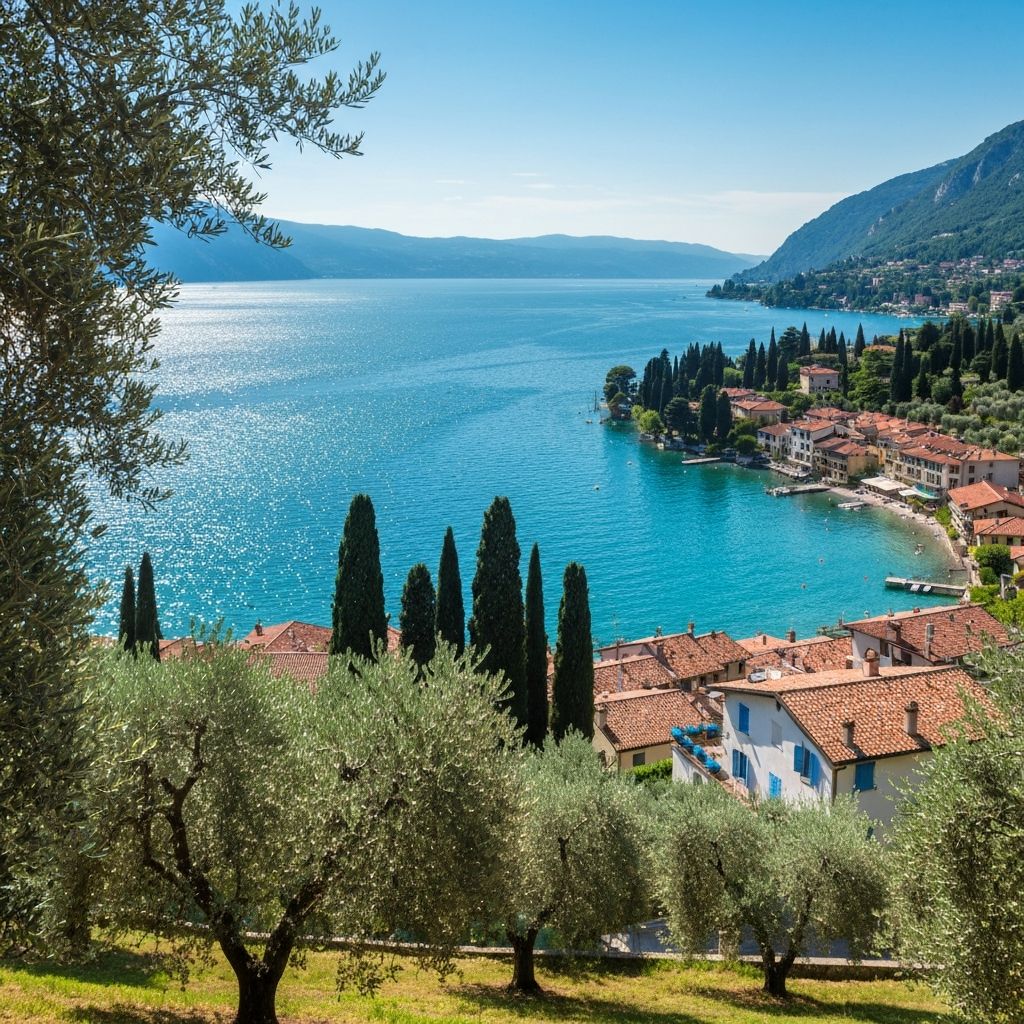
Lugana is a dry white wine from the southern shore of Lake Garda, made from the Turbiana grape on heavy glacial clay. It became a DOC in 1967, one of Italy’s earliest, and it is unusual among Italian whites in that it improves with several years in bottle. This guide covers the grape, the styles, and how it compares to the region’s other whites.
Ready to plan your trip?
Let's design your perfect Italian wine experience
Every tour is tailor-made. Reach out and we'll craft an itinerary that fits your pace, your tastes, and your story.
The grape: Turbiana
Lugana is made from Turbiana, historically called Trebbiano di Lugana. The name is misleading. Genetically it is distinct from the widely planted Trebbiano Toscano and sits closer to Verdicchio, the grape behind central Italy’s most age-worthy whites.
That relationship explains a great deal: the structure, the almond note, the saline finish, and above all the capacity to develop rather than simply fade. A wine long dismissed as a lakeside carafe white turns out to have serious lineage.
Why the soil matters here
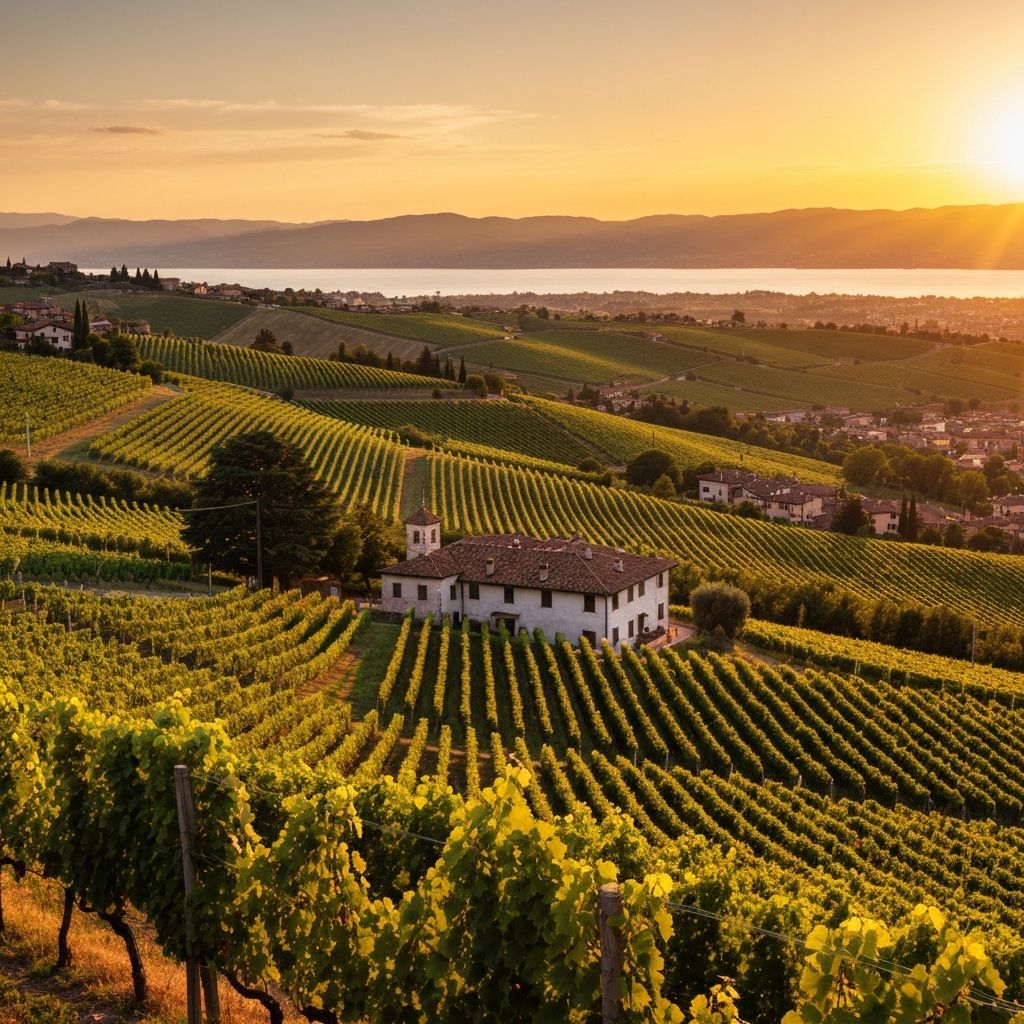
Most quality Italian whites come from hillsides. Lugana does not — the vineyards sit on flat land south of the lake, on heavy glacial clay deposited by ancient movements of the Garda basin.
Clay retains water and stays cool, which slows ripening and preserves acidity even in a warm, low-altitude site. It also lends the wines a broader, rounder texture than you would expect this far north. The lake itself moderates temperature in both directions, extending the growing season.
The result is a white with weight and salinity rather than sharp alpine tension — closer in feel to a coastal wine than to its neighbours in the hills.
The five styles
| Style | Ageing | Character |
|---|---|---|
| Lugana | released young | fresh, citrus, immediate |
| Superiore | min. 1 year | broader, more texture |
| Riserva | min. 2 years, incl. bottle | complex, waxy, structured |
| Vendemmia Tardiva | late harvest | riper, denser, occasionally off-dry |
| Spumante | sparkling | crisp, aperitif style |
Most exported Lugana is the standard bottling, which is a shame — Superiore and Riserva are where the grape’s real argument is made.
Lugana or Soave?
They are the two whites worth knowing around Verona, and they are genuinely different rather than variations on a theme.
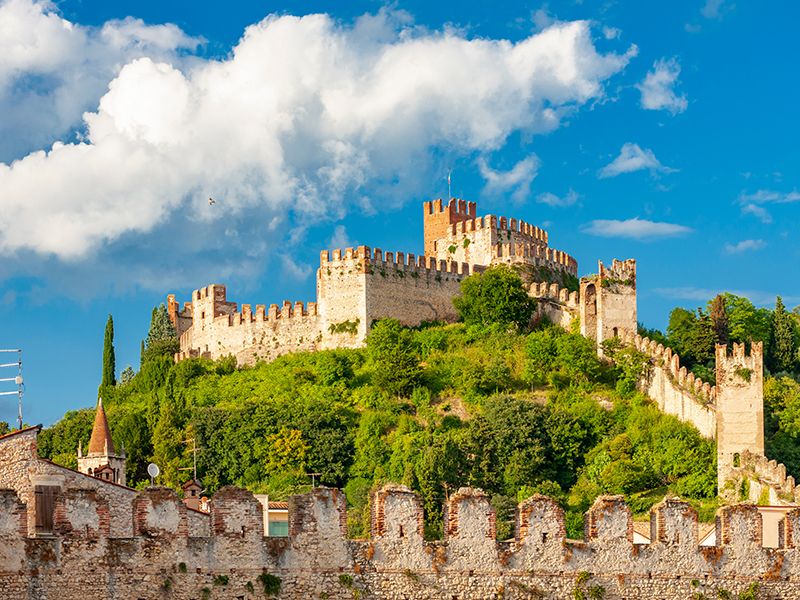
Soave is Garganega grown on volcanic and limestone hills east of the city: taut, mineral, vertical. Lugana is Turbiana on flat lakeside clay: rounder, saltier, broader. If you like Chablis, start with Soave. If you lean towards white Burgundy or Verdicchio, start with Lugana.
Where to taste it
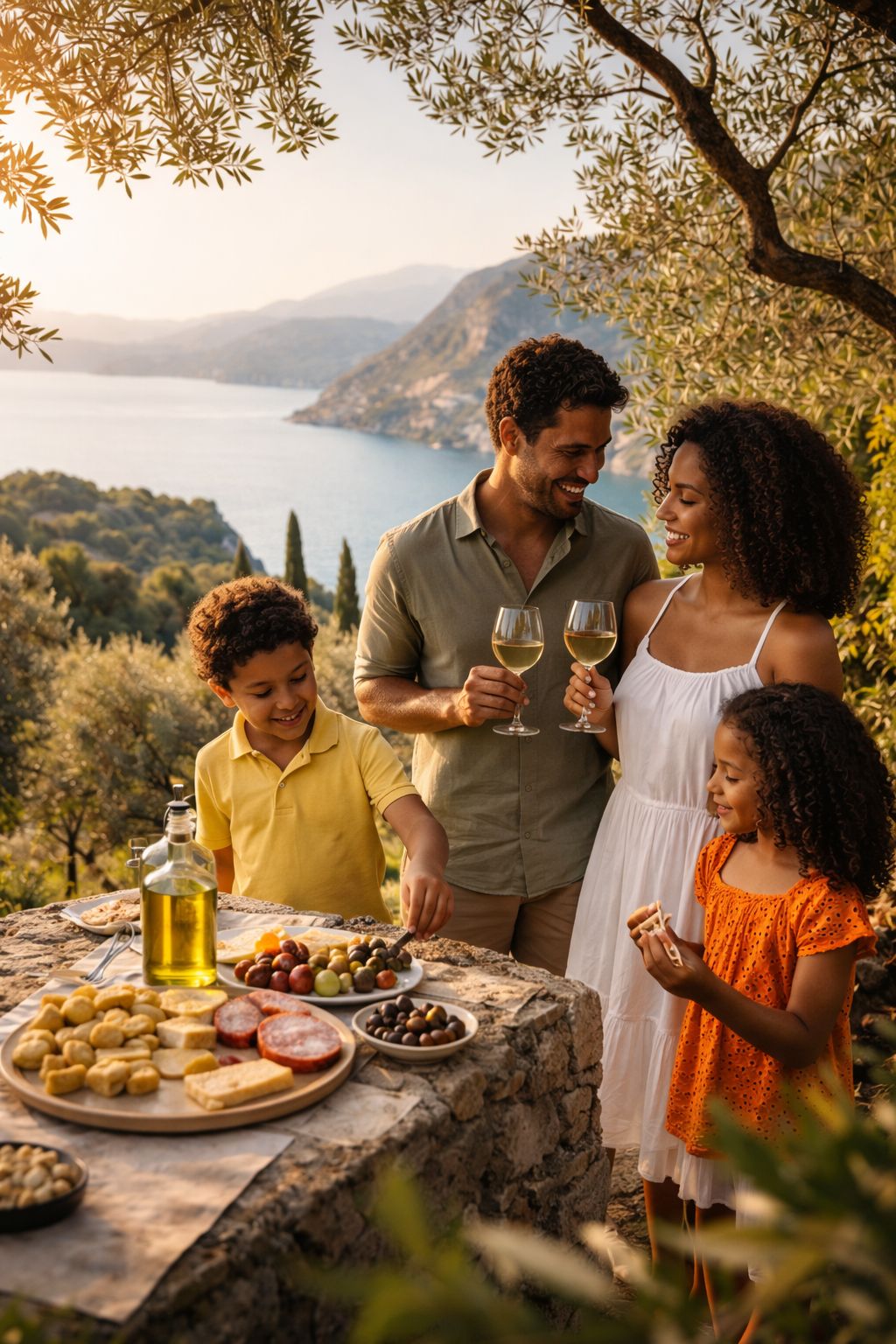
Lugana’s zone sits on the southern shore of the lake, a short drive from the Bardolino vineyards on the eastern side — which makes it straightforward to combine both in one day. Our Lake Garda olive oil and wine experience covers this landscape, and the Bardolino wine guide sets out the neighbouring red appellation.
Visiting a Lugana producer
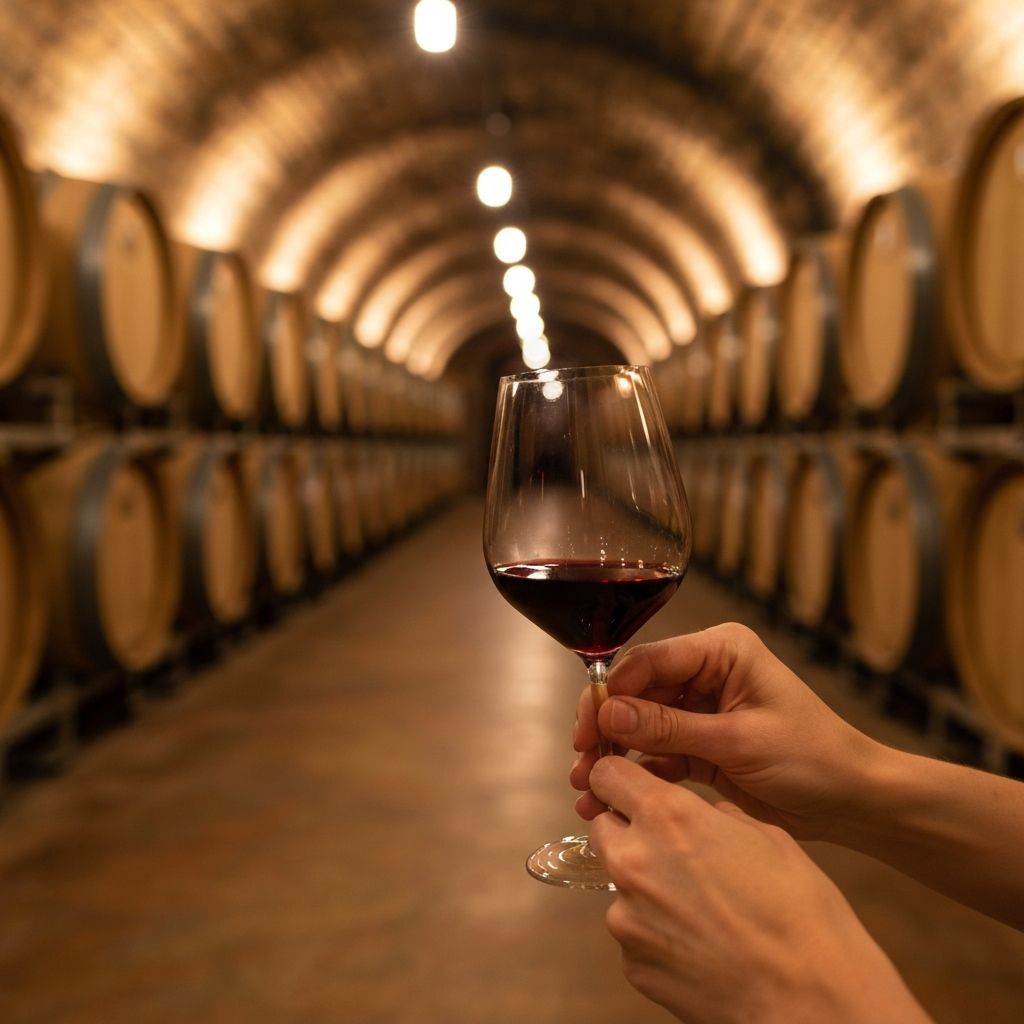
The natural first stop is Zenato, whose San Benedetto cellar in Peschiera del Garda spans two worlds: Lugana whites and Amarone. Enouting arranges private visits and tastings there — see our guide to visiting the winery for how it works.
Frequently Asked Questions
What is Lugana wine?
Lugana is a dry white wine from the southern shore of Lake Garda, made from the Turbiana grape on heavy clay soils. It became a DOC in 1967, among the first in Italy. Unlike most Italian whites it rewards ageing, developing texture and complexity over several years rather than fading.
What grape is Lugana made from?
Turbiana, sometimes called Trebbiano di Lugana. Despite the name it is genetically distinct from the common Trebbiano Toscano and closer to Verdicchio, which helps explain its structure, its salinity and its unusual ability to age.
What does Lugana taste like?
Citrus and white stone fruit, almond, and a distinctly saline mineral edge, with fuller body than most northern Italian whites thanks to the clay soils. Young examples are fresh and taut; with a few years in bottle they gain a waxy, honeyed texture without losing acidity.
What are the styles of Lugana?
There are five: standard Lugana, released young; Superiore, aged at least a year; Riserva, aged at least two years with additional bottle time; Vendemmia Tardiva, from late-harvested grapes; and a sparkling Spumante. Superiore and Riserva show the ageing potential most clearly.
How is Lugana different from Soave?
Both are serious Veneto-area whites, but they differ in grape and soil. Soave is Garganega grown on volcanic and limestone hills east of Verona, giving a taut, mineral wine. Lugana is Turbiana on flat, heavy clay by the lake, giving something rounder, more saline and broader in texture.
What food goes with Lugana?
Lake fish above all — Garda's own trout, perch and whitefish are the local match. It also suits risotto, white meats, fresh cheeses and antipasti. Older Riserva bottlings have enough weight for richer dishes where most Italian whites would be overwhelmed.
Planning a trip?
Wine trip notes from Verona
Occasional emails on harvest timing, when the appointment-only estates release dates, and how to plan a wine trip in the Veneto. Written by our guides, not a marketing team.
No spam, and we never share your address. Unsubscribe any time.