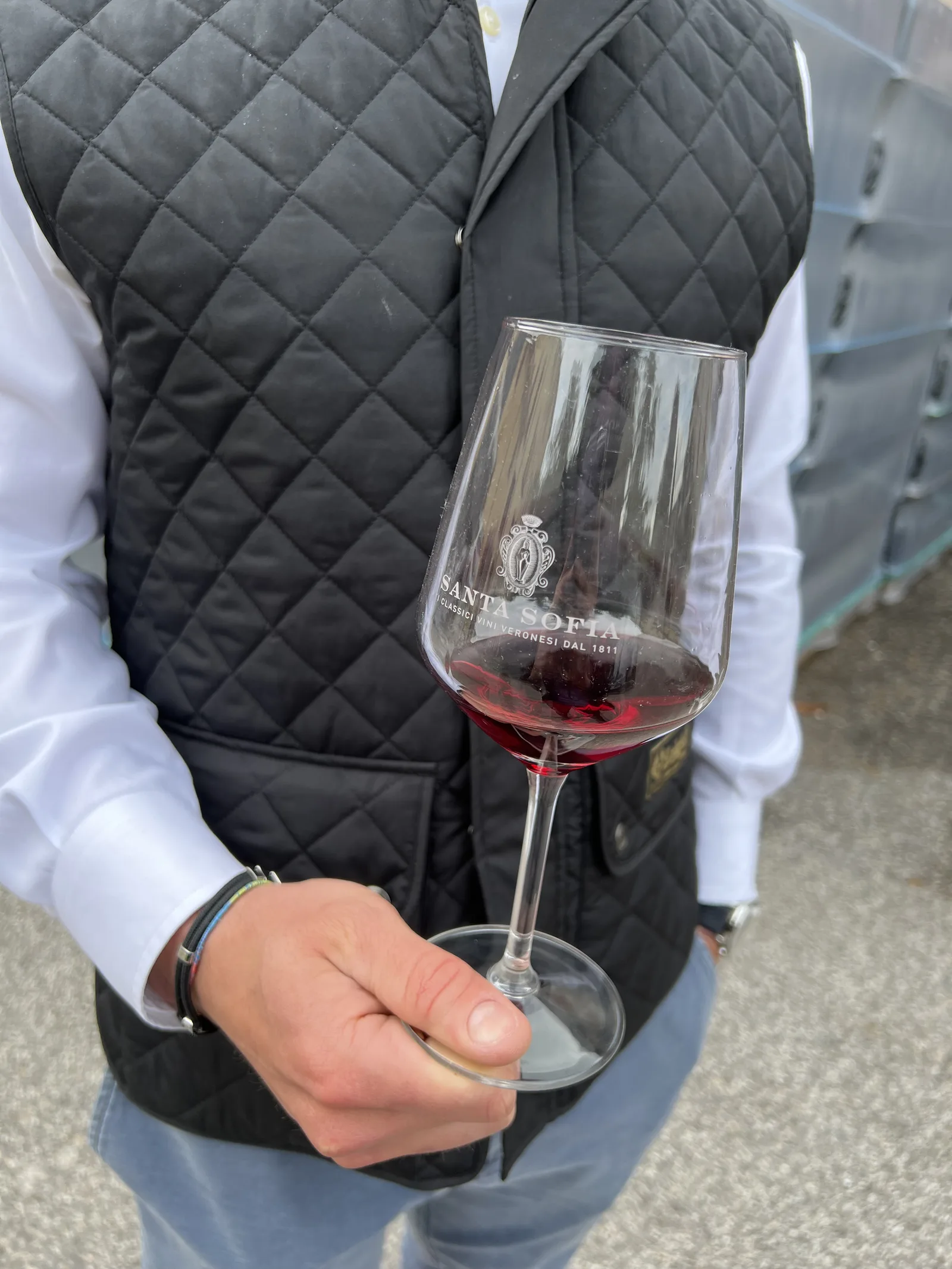
Zenato is a family winery in San Benedetto di Lugana, at the southern tip of Lake Garda, and it can be visited by appointment. It is the rare estate with two souls — a Lugana house that helped build that appellation’s reputation, and a serious Amarone producer through its Valpolicella property. This guide covers where it is, what you’ll taste, and how to arrange a private visit.
Ready to plan your trip?
Let's design your perfect Italian wine experience
Every tour is tailor-made. Reach out and we'll craft an itinerary that fits your pace, your tastes, and your story.
Why Zenato is worth visiting
When Sergio Zenato started in 1960 with seven hectares in Peschiera del Garda, Lugana was a local curiosity. He treated the Turbiana grape — Trebbiano di Lugana — as something worth ageing, selecting and taking seriously, and the appellation’s current fashion owes a real debt to that work.
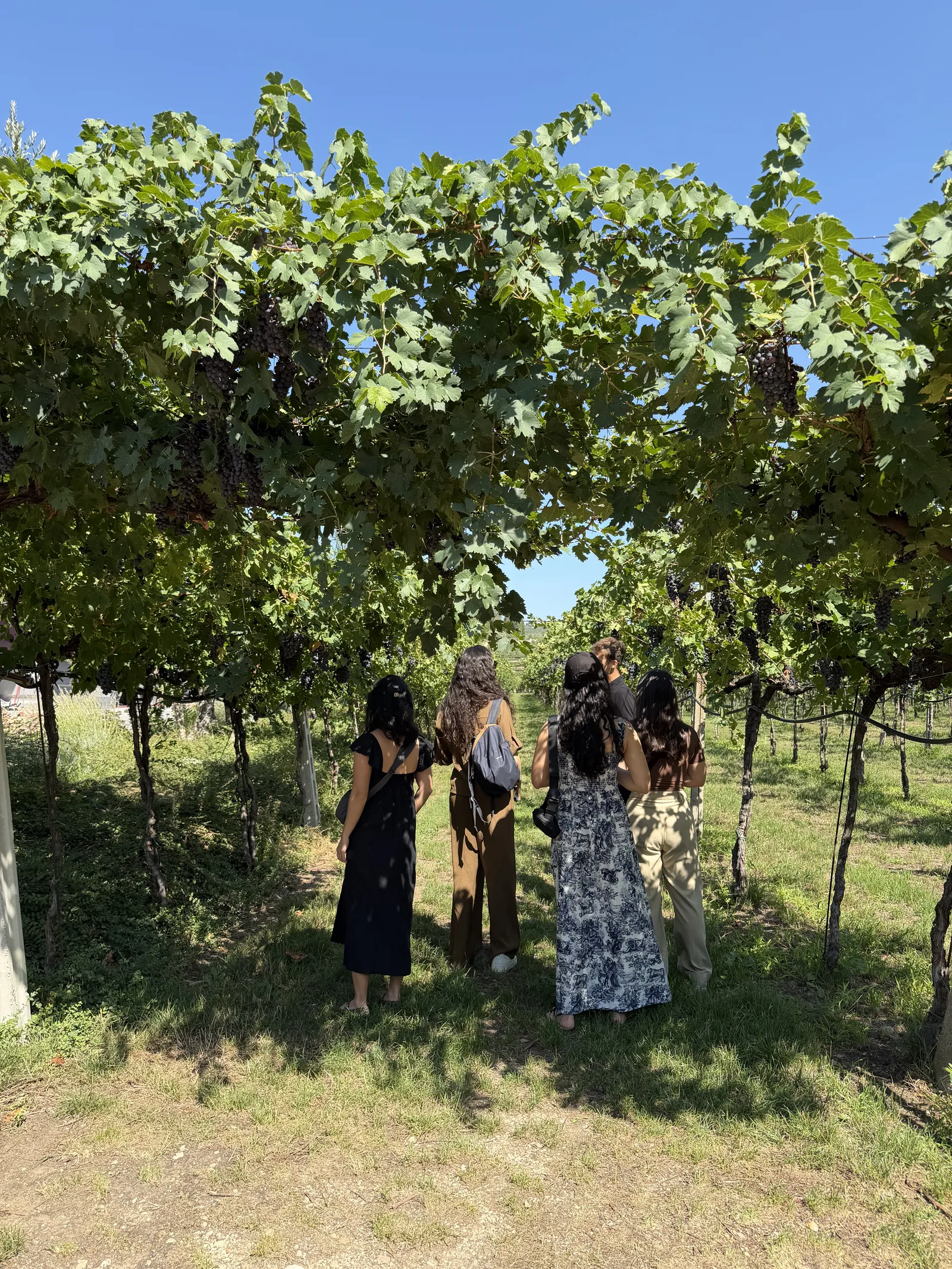
The second act came in Valpolicella: the family’s Costalunga estate in Sant’Ambrogio, source of its Amarone and top reds. Today roughly 95 hectares span the two zones, and that is what makes the visit unusual. Most cellars near Garda show you one register; a Zenato tasting runs from lake-fresh white to appassimento red without leaving the table.
Where it is and how to get there
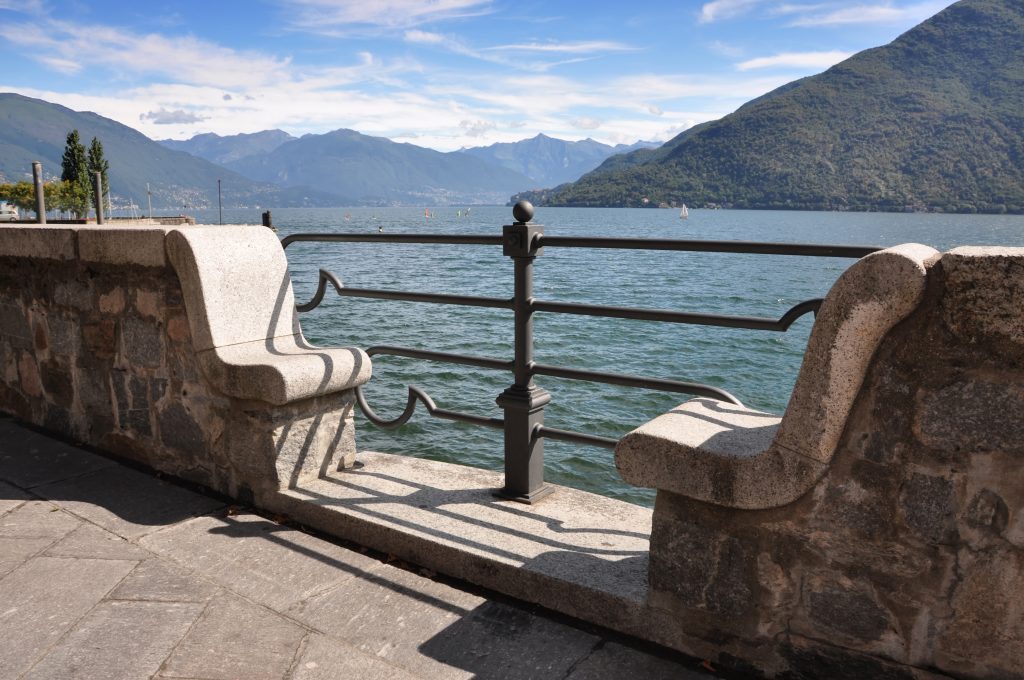
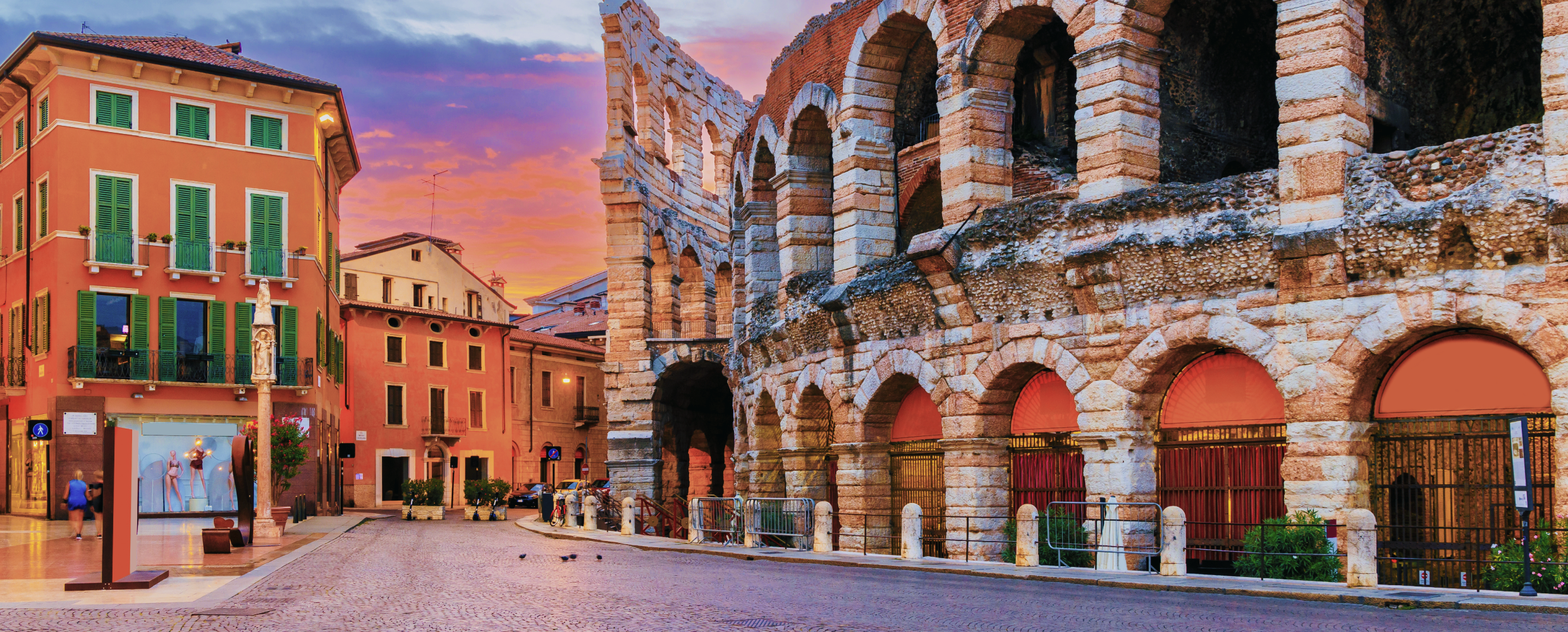
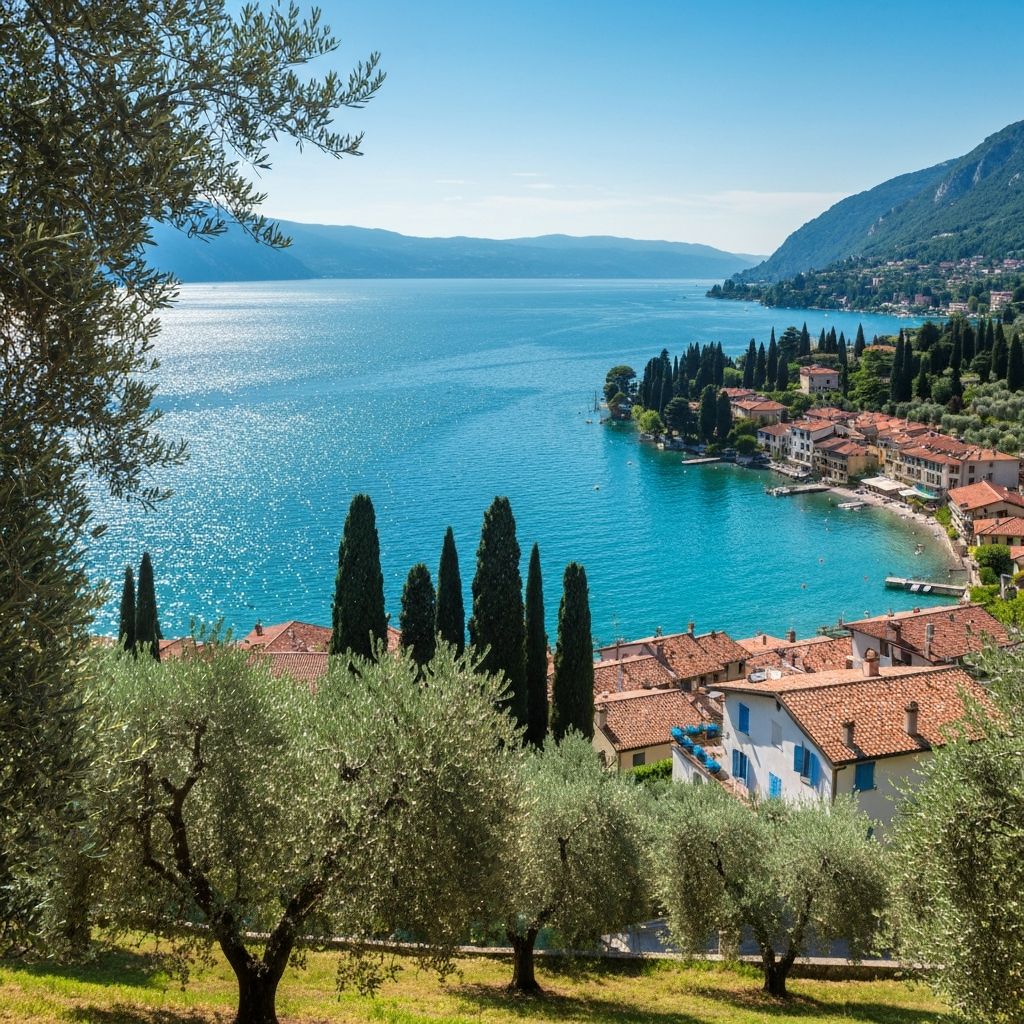
The winery is in San Benedetto di Lugana, a hamlet of Peschiera del Garda on the lake’s southern shore, about 30 minutes by car west of Verona and minutes from the lakefront towns. If you are staying on Lake Garda, it is one of the easiest serious cellars to reach; from Verona it pairs naturally with a lake afternoon.
What you’ll taste
The range is a tour of the family’s two homes:
- Lugana San Benedetto DOC — the estate’s historic white from Turbiana, named for the home vineyard: citrus, almond and the saline freshness the lake gives.
- Sergio Zenato Riserva selections — the founder’s namesake tier, proof that Lugana ages.
- Ripassa — the house Ripasso, Valpolicella deepened on Amarone skins.
- Amarone della Valpolicella — from the Costalunga estate in Sant’Ambrogio: Corvina, Rondinella and Oseleta, dried and patient.
Tasting the whites and reds side by side is the best short course available in how different Verona’s two banks really are.
Lugana, Garda and the Verona appellations
The southern shore of Garda is white-wine country — our Lugana guide covers the appellation — while the lake’s eastern hills grow Bardolino: the Zeni winery and wine museum and natural-wine outlier Villa Calicantus are the neighbouring visits. For the full-weight reds, the road leads back to the Valpolicella.
How to arrange your visit
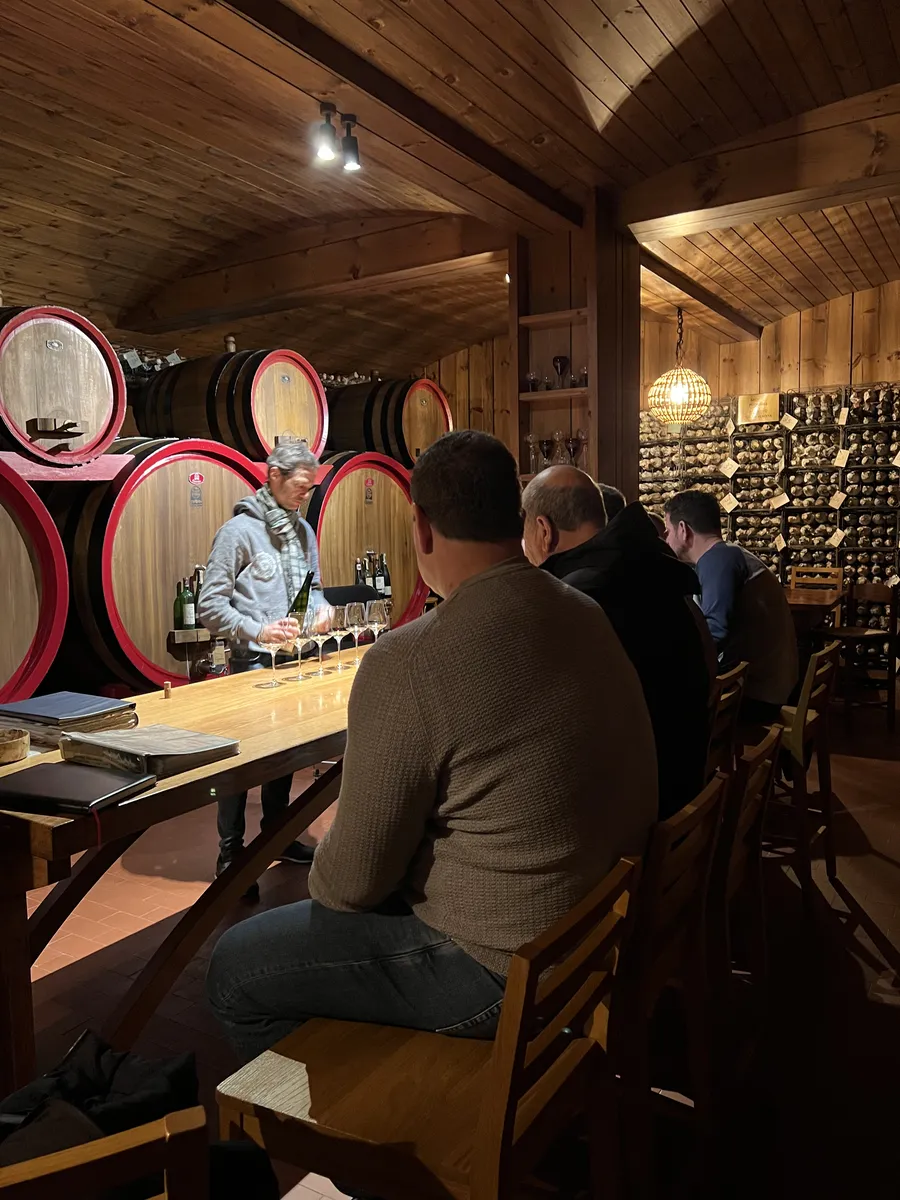
Visits and tastings at the San Benedetto cellar are by appointment. Enouting handles the booking, transport from Verona or your Lake Garda base, and a sommelier who ties the two halves of the estate together. The Lake Garda olive oil and wine day covers this landscape; Taste of Valpolicella picks up the red thread on the other side of Verona.
Frequently Asked Questions
Can you visit the Zenato winery?
Yes, by appointment. Visits and tastings take place at the San Benedetto di Lugana cellar in Peschiera del Garda, on the southern shore of Lake Garda. Enouting arranges the private visit with transport from Verona or the lake and a sommelier who guides the tasting.
Where is the Zenato winery?
Zenato is based in San Benedetto di Lugana, a hamlet of Peschiera del Garda at the southern tip of Lake Garda, in the heart of the Lugana DOC. It is about a 30 minute drive west of Verona. The family's second estate, Costalunga, is in Sant'Ambrogio di Valpolicella, the source of its Amarone.
What wines does Zenato make?
The estate has a dual identity: Lugana whites from the Turbiana grape, led by the Lugana San Benedetto and the Riserva selections named for founder Sergio Zenato, and Veronese reds from the Costalunga estate in Valpolicella, including the Ripassa Ripasso and Amarone della Valpolicella.
Is Zenato a Lugana or an Amarone producer?
Both, and that is the point of the visit. Sergio Zenato started in 1960 with seven hectares of Lugana and helped build the appellation's modern reputation; the family later added the Costalunga estate in Sant'Ambrogio di Valpolicella. Today around 95 hectares span the two zones, so a single tasting moves from lake-fresh whites to dried-grape reds.
Planning a trip?
Get the free 3-day Valpolicella plan
The itinerary we'd build for a first visit — yours by email, plus occasional guides from Verona. No spam.
No spam, and we never share your address. Unsubscribe any time.