Cicchetti are Venice’s small bar bites — a euro or three apiece, eaten standing at a bacaro with an ombra of local wine — and together they are the city’s true native food culture. This guide covers what the words mean, what to order first, how the crawl works, where the counters cluster, and what the wine in your glass has to do with the hills an hour west.
Ready to plan your trip?
Let's design your perfect Italian wine experience
Every tour is tailor-made. Reach out and we'll craft an itinerary that fits your pace, your tastes, and your story.
The three words that unlock Venice
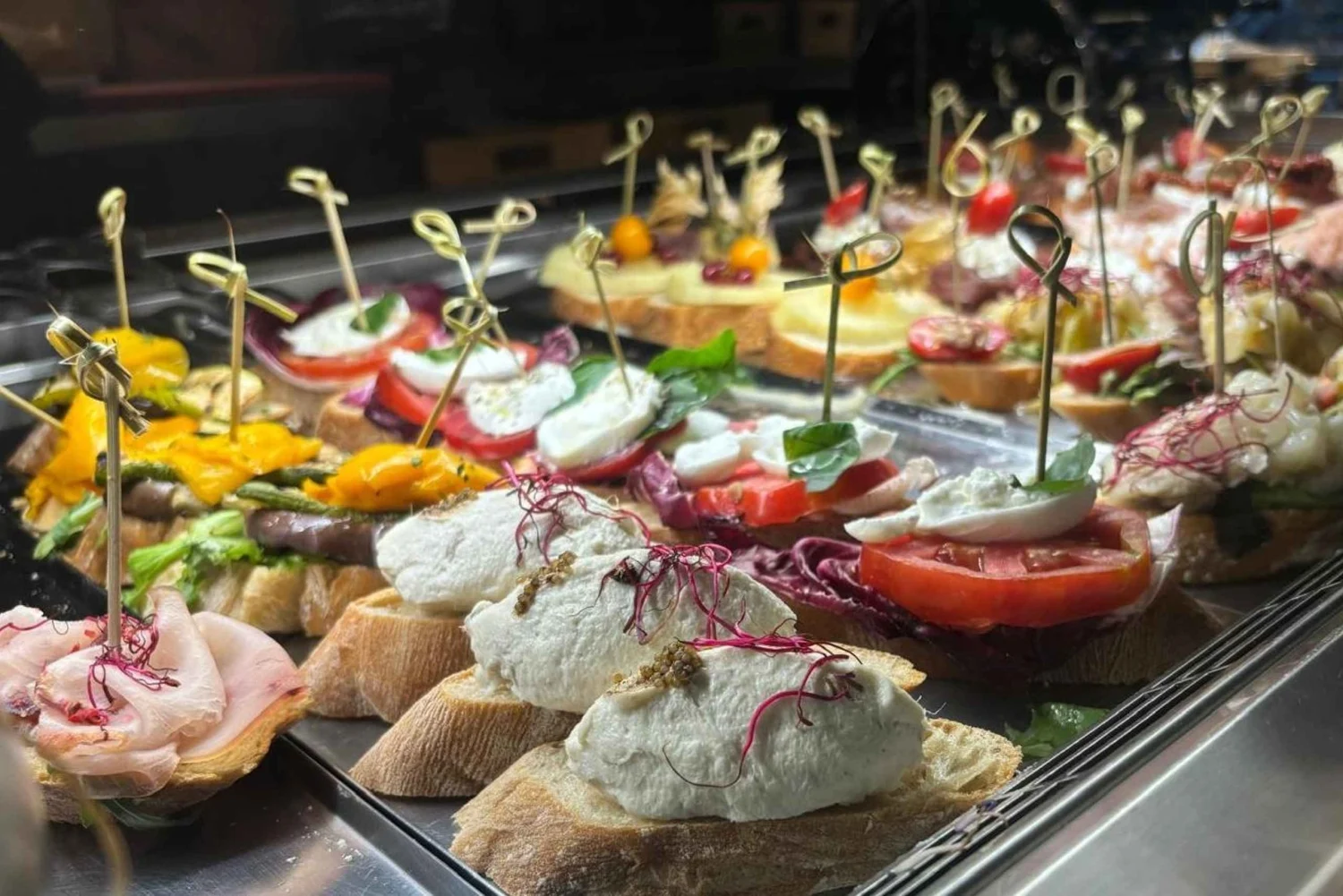
- Cicchetti — the bites: crostini with toppings, fried polpette, marinated fish, stuffed eggs, arranged along the counter behind glass. From the Latin ciccus, “a small amount”. One or two bites each, fingers or toothpick, no plate ceremony.
- Bacaro — the venue: a small, usually old wine bar, often standing-room only, frequently opening onto a canal or a market lane. Plural bacari.
- Ombra — the drink: a short glass of simple local wine, red or white. Literally “shadow” — legend credits the wine sellers who tracked the cool shadow of St Mark’s Campanile around the square.
Put together: you walk in, point at two cicchetti, ask for an ombra, pay a handful of euros, eat standing by the barrel outside, and move on. Repeat at the next counter. That repeating — the giro de ombre — is the whole institution.
What to order, in order
- Baccalà mantecato — whipped salt cod, silk-smooth, on bread or grilled polenta. The genre’s masterpiece and the first thing to judge any bacaro by.
- Sarde in saor — sardines under sweet-sour onions, pine nuts and raisins; a sailor’s preservation dish older than most of the buildings around you.
- Polpette — fried meatballs (meat, tuna, or eggplant), ideally still warm.
- Mozzarella in carrozza — the fried sandwich Venice refuses to apologise for.
- Whatever has a queue of locals — the counters turn over fast, and the regulars know which tray came out last.
In the glass: young Soave, Lugana or a Veneto white with the fish; Valpolicella Classico or a dark local Raboso with the meat; honest Prosecco anywhere — this is its home region. The ombra is deliberately simple wine; the serious bottles live one region west (more on that below).
Where the bacari cluster
- Rialto market, San Polo. The historic heartland — market porters invented this lunch. The lanes hold counters that have poured since the Renaissance: Cantina Do Mori (often cited as the city’s oldest) and the tiny All’Arco among them. Go when the market is live, in the morning.
- Cannaregio. Along Fondamenta della Misericordia and around the Jewish Quarter — canalside, local after dark, the best evening giro.
- Dorsoduro. Student-priced counters near Campo Santa Margherita, plus Osteria Al Squero, facing one of the last working gondola boatyards, and Cantine del Vino Già Schiavi across the canal.
- Near Piazzale Roma: Bacareto da Lele, a Venetian institution the size of a wardrobe, beloved for one-euro panini and ombre.
Rules of the ritual: stand (tables often cost more or do not exist), pay as you go or settle simply, don’t linger past your glass at a crowded counter, and never order a cappuccino. Mid-morning and 6–8pm are the hours; by 21:30 the trays are history.
The honest limit of the bacaro — and what lies behind it
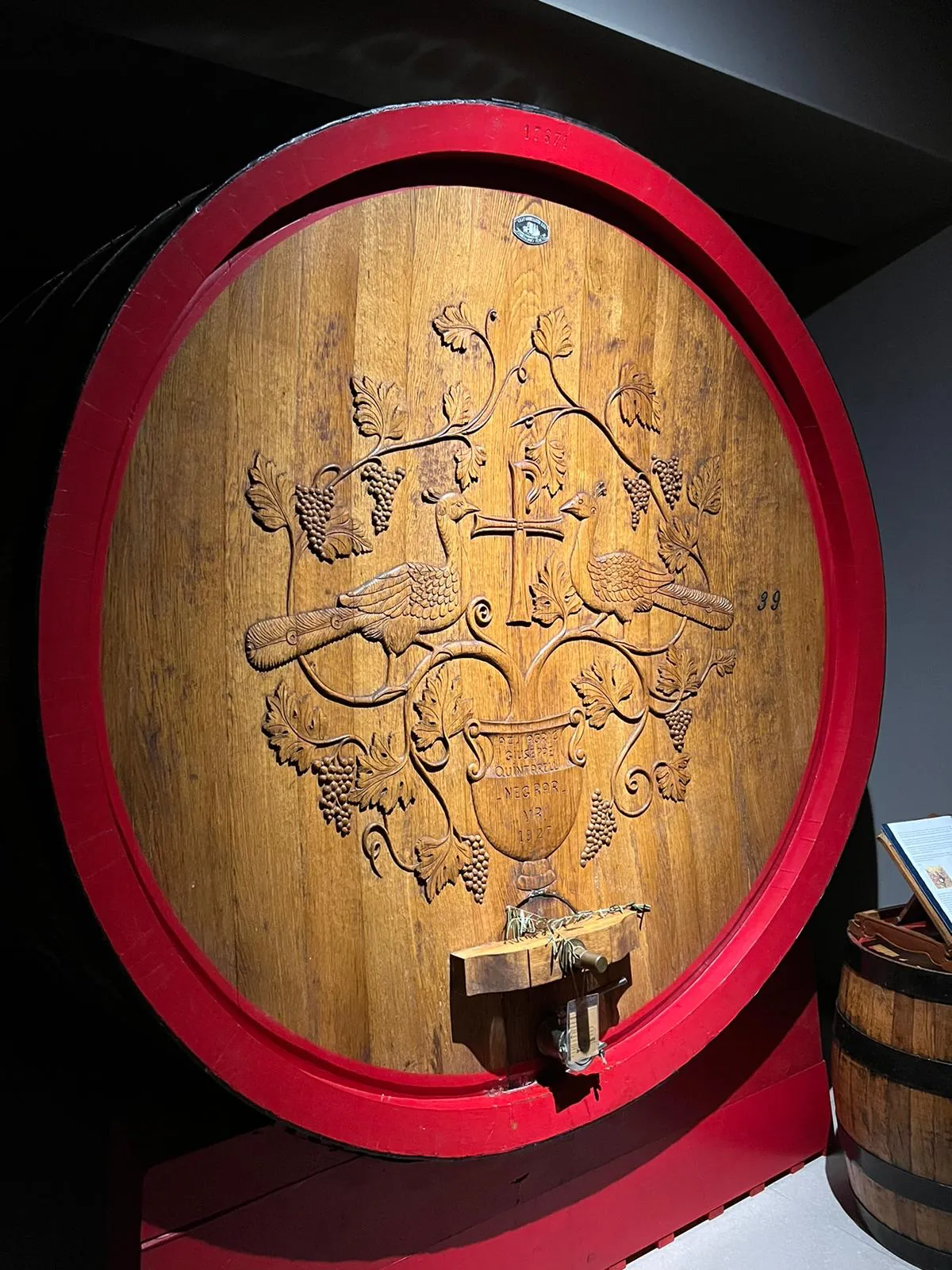
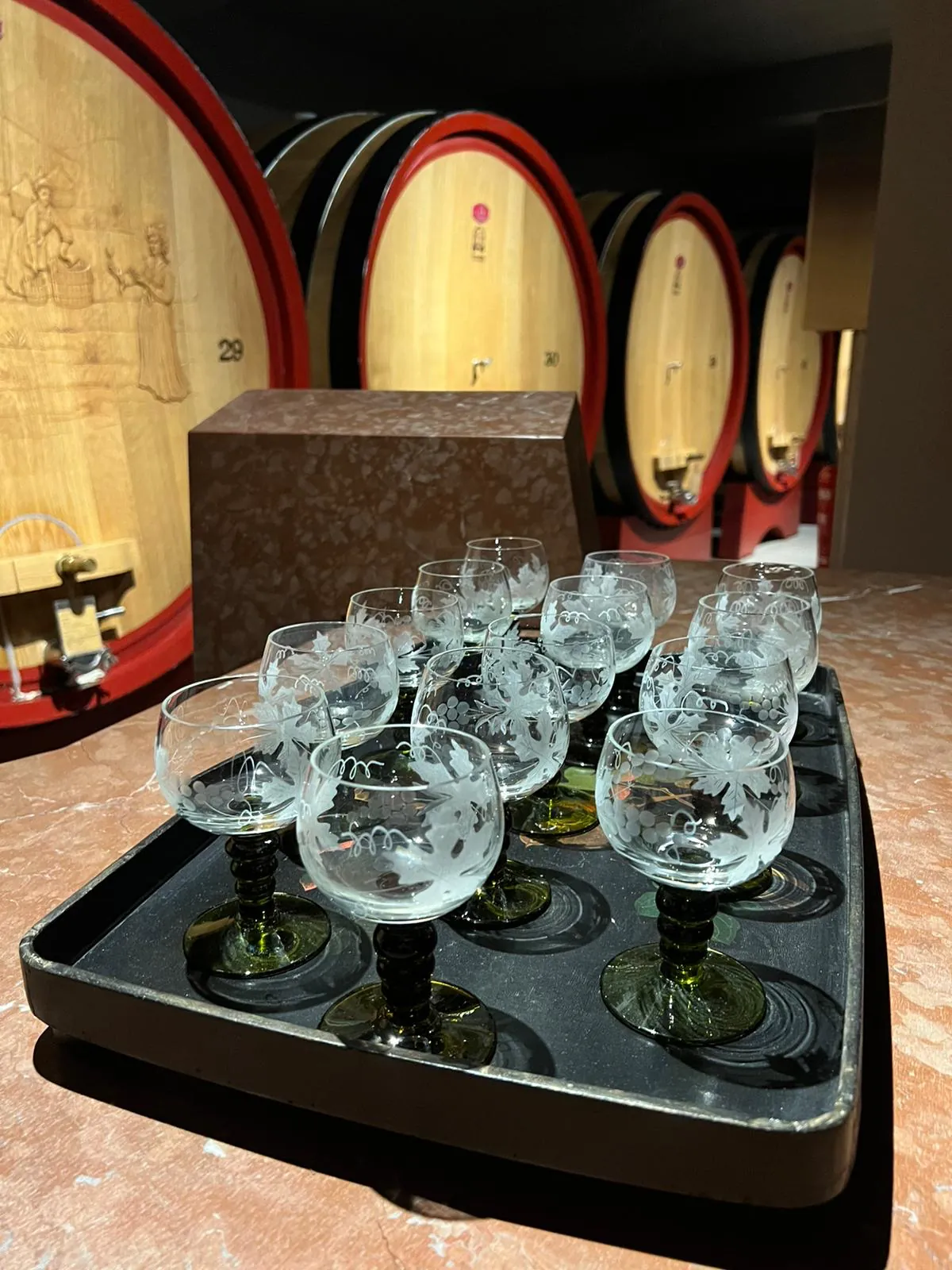
Here is the thing the crawl teaches you by the third ombra: Venice serves wine wonderfully and makes essentially none. Every glass crossed the lagoon from somewhere — the Soave in your white ombra from volcanic hills an hour west, the Valpolicella in your red from the valleys behind Verona, the Prosecco from UNESCO slopes to the north. The bacaro is the tasting room; the wine country is a short train ride away.
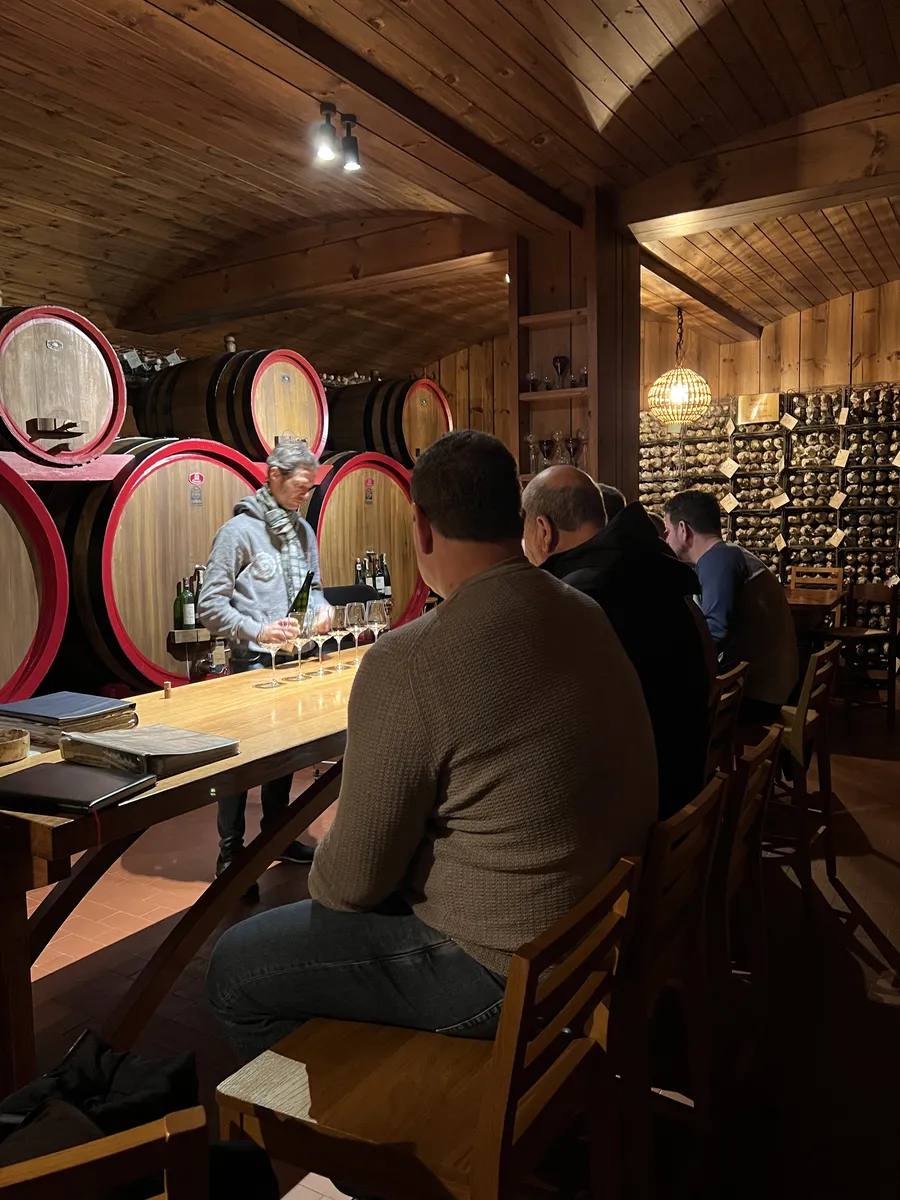
Which is why the natural morning-after to a great giro is a real cellar: our guide to wine tasting in and near Venice maps the regions, wine tours from Venice compares the day trips, and the private Valpolicella tasting is the full version of what the ombra was hinting at — the same wines, met where they are made, with a sommelier instead of a counter queue. For the broader day-out question, see the day trips from Venice guide.
Drink the ombre. Then go meet the wine.
Frequently Asked Questions
What does cicchetti mean?
Cicchetti (pronounced roughly chi-KET-tee) are Venice's small bar snacks — slices of bread topped with creamed cod or cured meats, fried meatballs, marinated sardines, halved eggs with anchovy — displayed on the counter of a bacaro and usually eaten standing, in one or two bites. The word is commonly traced to the Latin ciccus, 'a small amount'. They are Venice's answer to tapas, though a Venetian would put it the other way around.
What is a bacaro in Venice?
A bacaro is the small, often ancient wine bar that serves cicchetti and simple local wine by the glass. Most are tiny — a counter, a few barrels, little or no seating — and the custom is to order a glass and a couple of bites, stand, finish, and move on to the next one. The oldest counters around the Rialto market have been doing exactly this for centuries.
What does ombra mean in Venice?
An ombra is a small glass of house wine — the standard order at a bacaro. The word literally means 'shadow', and the popular story ties it to wine sellers who once worked in the moving shadow of the Campanile in St Mark's Square to keep their barrels cool. True or not, asking for 'un'ombra de rosso' remains the most Venetian sentence a visitor can say.
Which cicchetti should I order first?
Start with baccalà mantecato — whipped creamed cod on bread or polenta, the signature of the entire genre. Then sarde in saor (sardines in sweet-sour onion marinade, a dish with a thousand years of history), polpette (fried meatballs), and whatever looks freshest on the counter. One or two per stop; the point of the ritual is variety across bacari, not volume at one.
How much does a bacaro crawl in Venice cost?
Genuinely little by Venice standards: cicchetti run about €1.50–3 each and an ombra of house wine €1.50–3, so a satisfying giro of three or four stops — a glass and two bites at each — lands around €20–30 a head. It is the best-value eating and drinking in the city, which is exactly why Venetians never abandoned it.
Where are the best bacari in Venice?
The densest hunting grounds are the lanes around the Rialto market in San Polo — home to centuries-old counters like Cantina Do Mori and All'Arco — the Cannaregio canals around the Jewish Quarter, and Dorsoduro near the squero of San Trovaso. Names worth knowing: Bacareto da Lele by Piazzale Roma, Osteria Al Squero facing the gondola workshop, and Cantine del Vino Già Schiavi. Go at mid-morning or 6pm; counters empty of cicchetti by late evening.
Is a cicchetti tour in Venice worth it, or can I do it alone?
You can absolutely self-guide — this page is most of what you need, and getting mildly lost is part of the format. A good guided giro adds the stories, the back-alley counters you would walk past, and zero navigation stress on a first evening. If your interest leans more to the wine than the bites, the better upgrade is a day in the actual wine country behind Venice — the regions the ombre come from.
Planning a trip?
Get the free 3-day Valpolicella plan
The itinerary we'd build for a first visit — yours by email, plus occasional guides from Verona. No spam.
No spam, and we never share your address. Unsubscribe any time.