Venice is a magnificent city to drink wine in and an impossible one to make wine in — the lagoon has bacari on every corner and essentially no vineyards. A real tasting day means going inland, and the good news is how close the serious wine country starts: four distinct regions within 30 to 80 minutes. Here is how to do both well.
Ready to plan your trip?
Let's design your perfect Italian wine experience
Every tour is tailor-made. Reach out and we'll craft an itinerary that fits your pace, your tastes, and your story.
Drinking in Venice: the bacaro, not the winery
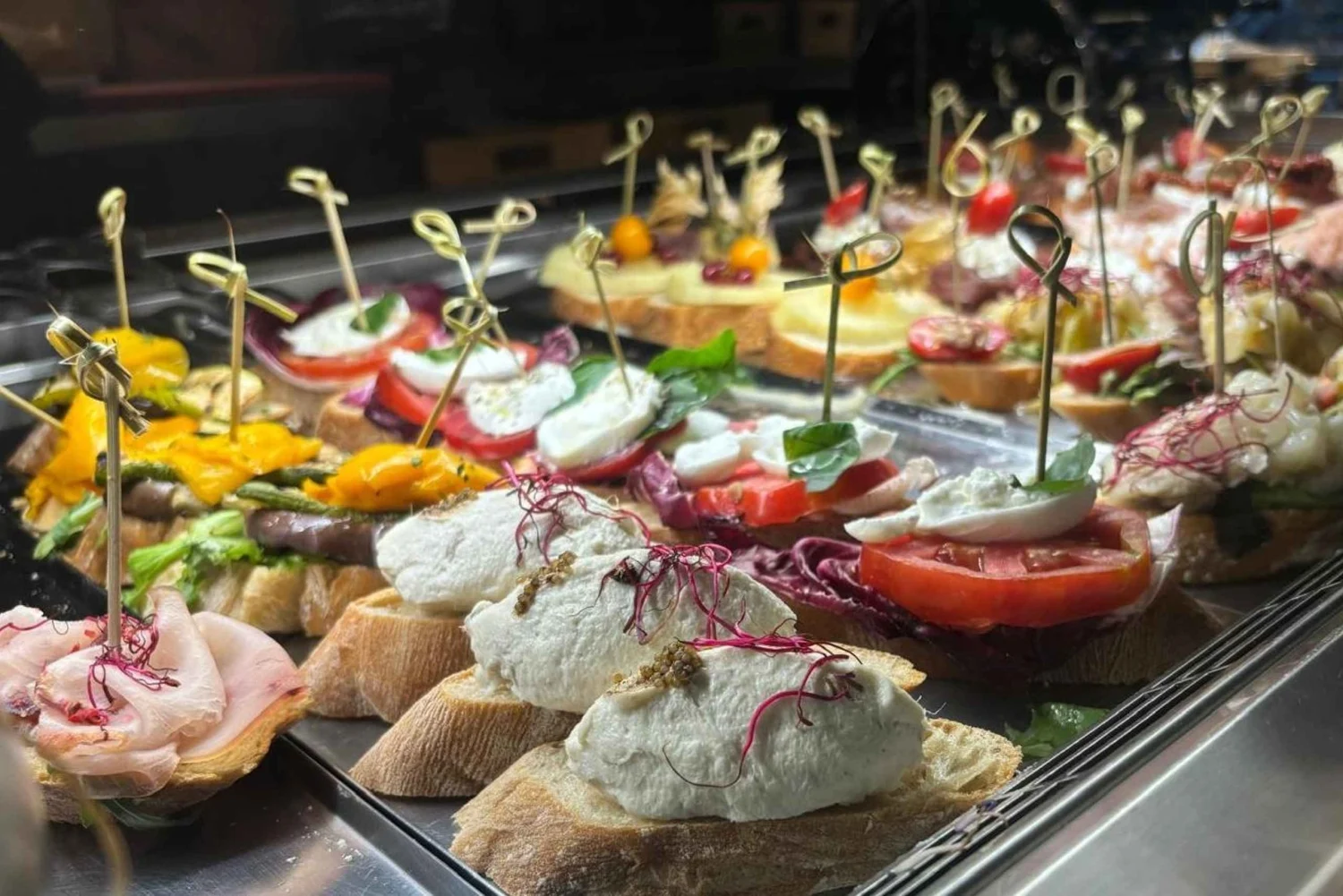
The city’s native wine institution is the bacaro — a small, standing-room wine bar serving ombre (modest glasses of local wine) and cicchetti (small bites) at the counter. Clusters around the Rialto market, in Cannaregio and in Castello make a self-guided crawl the best two hours a wine lover can spend between churches — the cicchetti and bacari guide covers the words, the orders and the counters worth queuing for.
What Venice does not offer is the thing people usually mean by “wine tasting”: the cellar, the producer, the vineyard walk, the vertical of vintages. For that, you leave the lagoon — and you do not need to go far.
The four regions near Venice, ranked by what you drink
Valpolicella — the serious-red day (~70 min by train + 15 min)
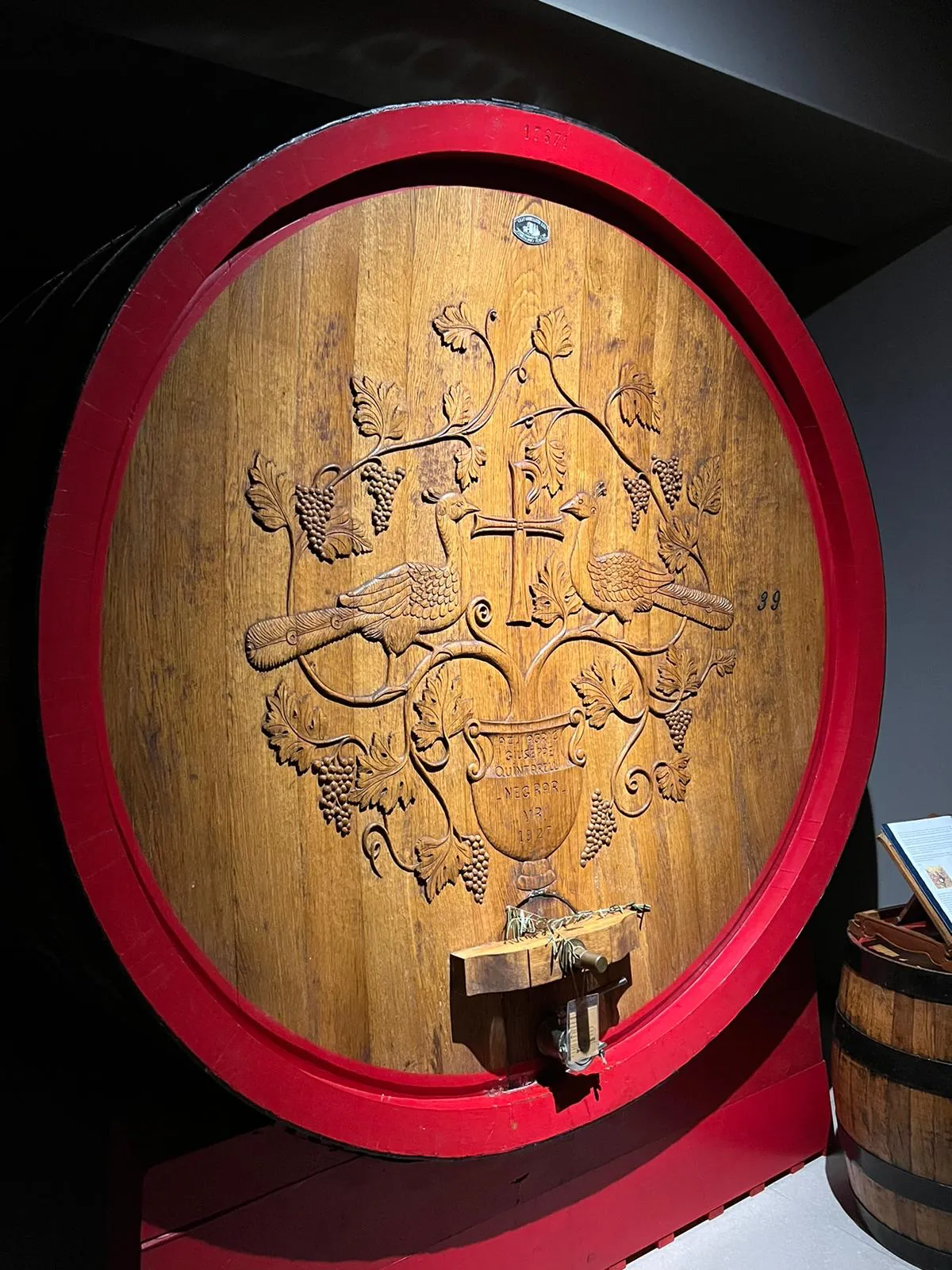
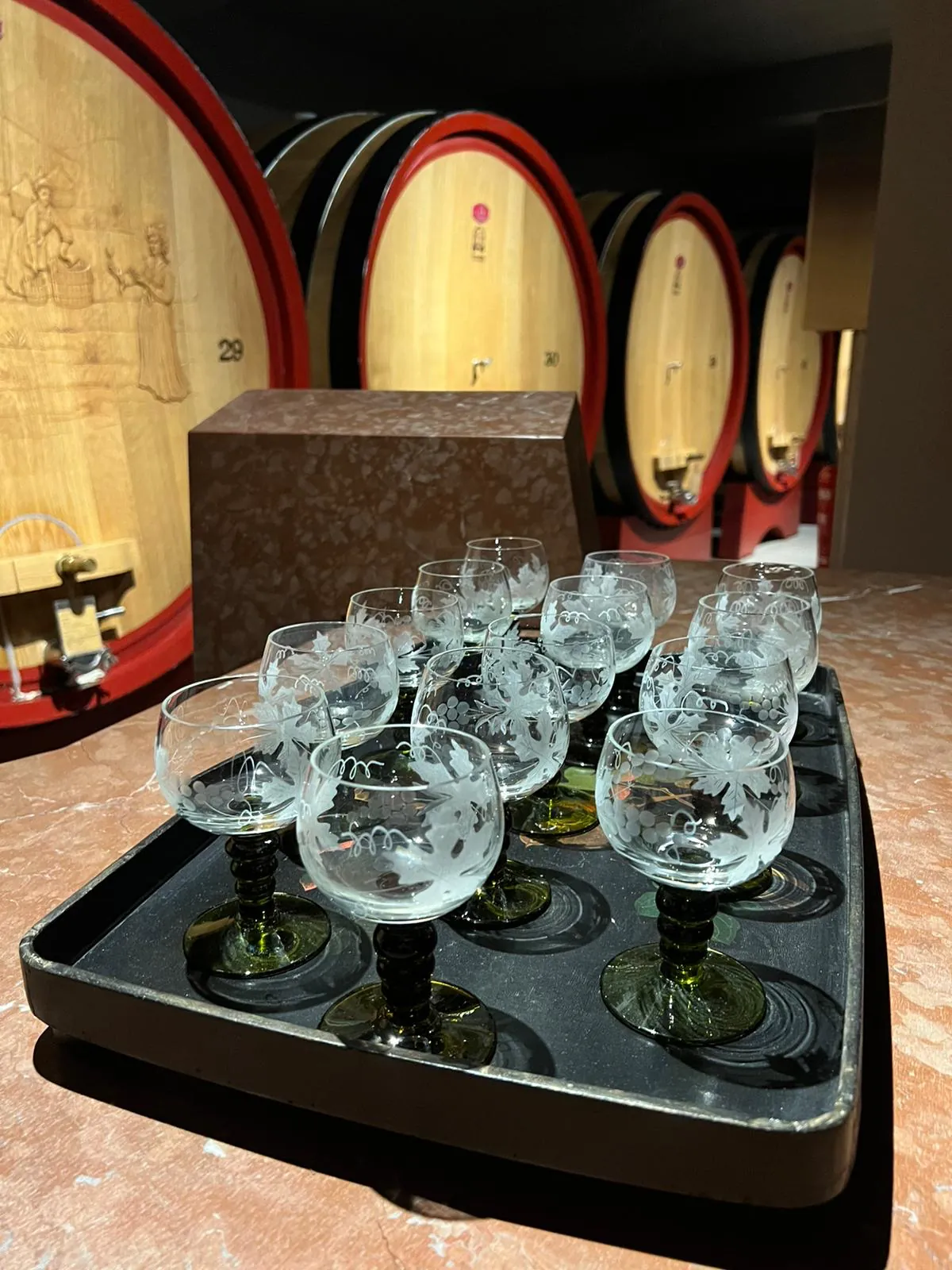
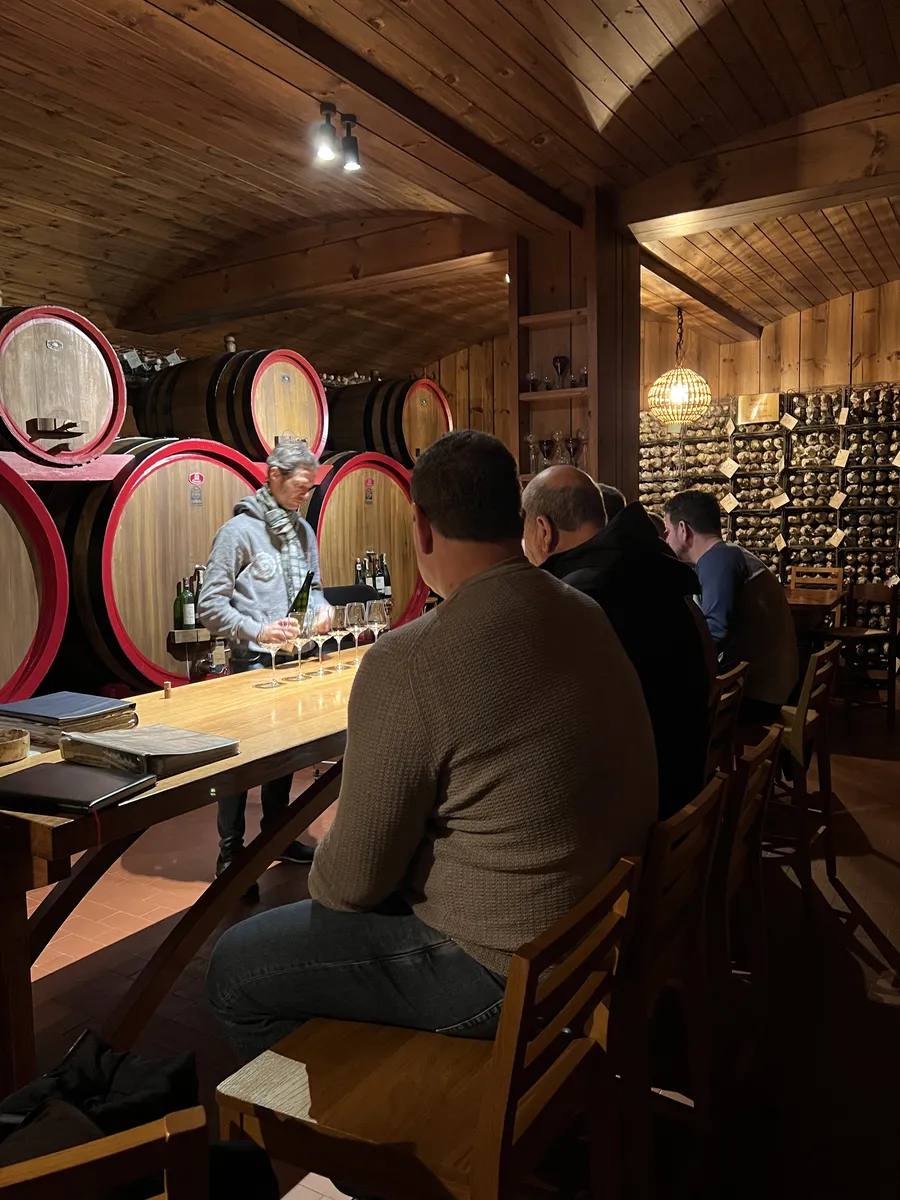
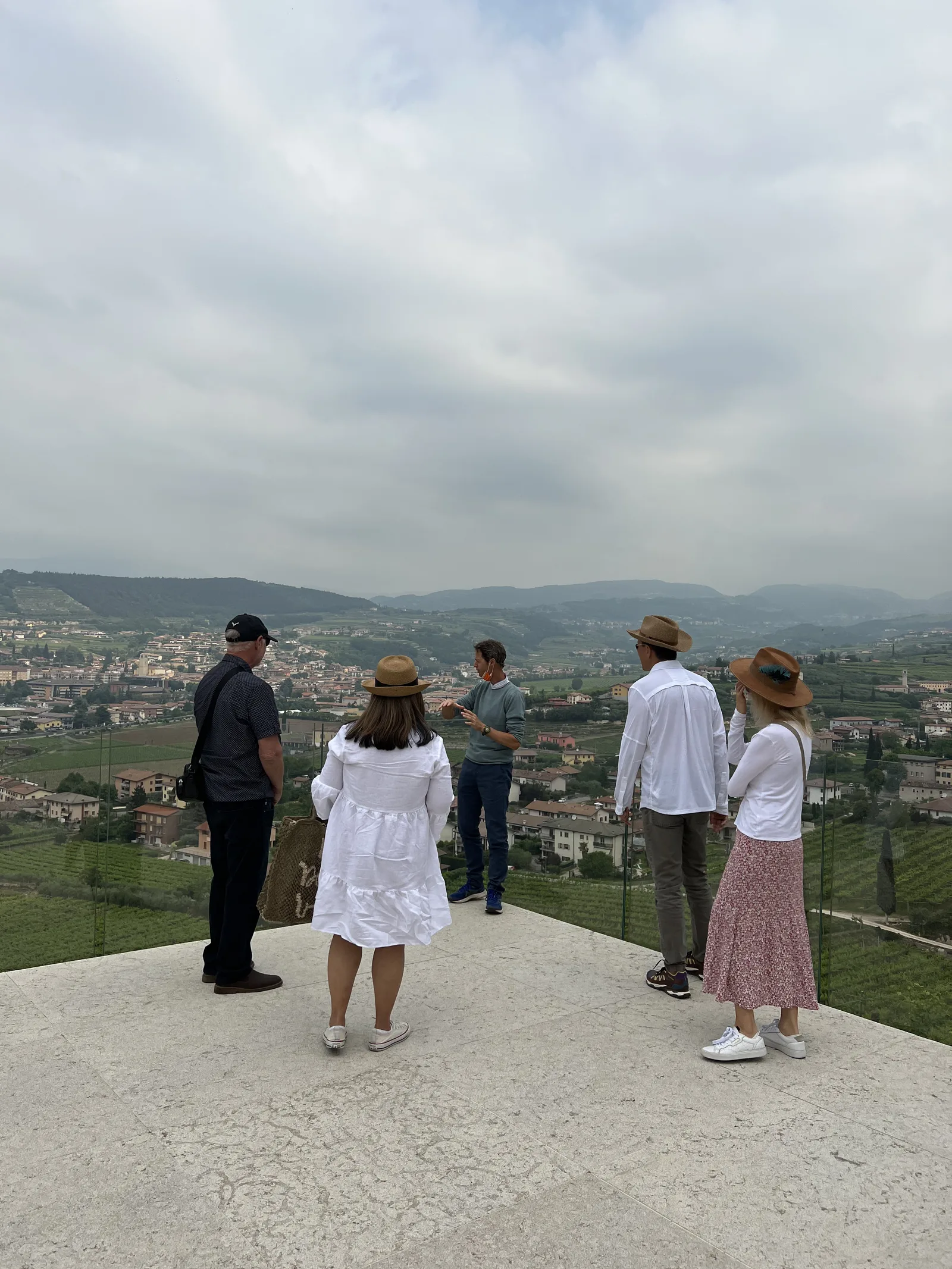
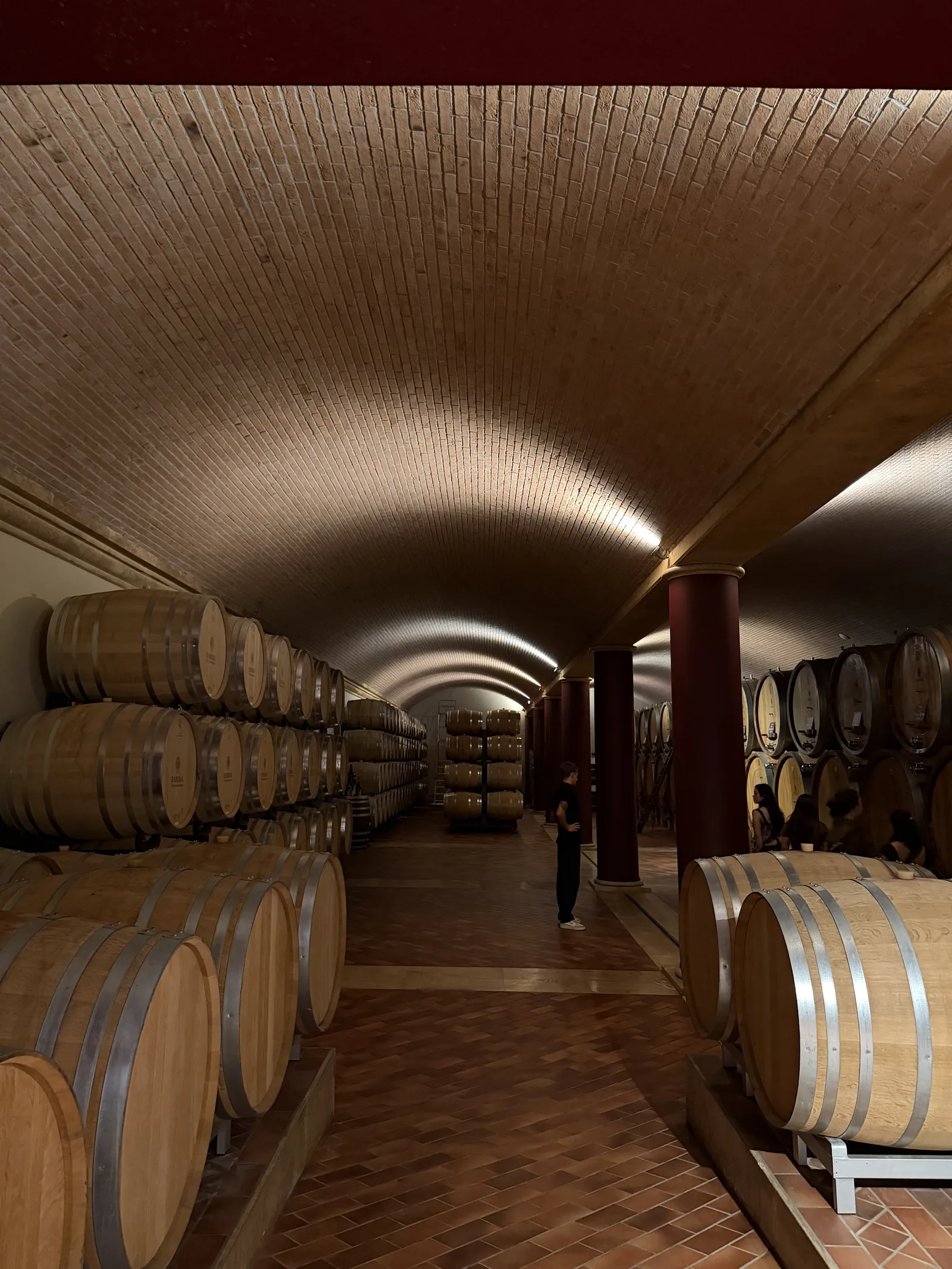
West of Venice, behind Verona, the Valpolicella makes Amarone — one of Italy’s great reds, raised from half-dried grapes in cool lofts above family cellars. This is the deepest single wine experience within reach of Venice: two cellars, the drying rooms, and a tasting that runs Classico → Ripasso → Amarone → Recioto. The fast train to Verona takes about 70 minutes; our private Valpolicella tasting takes over from there. For the full picture of the region’s wines, start with the Amarone guide.
Conegliano–Valdobbiadene — the bubbles day (~1h)
North-east of Venice rise the UNESCO-listed Prosecco hills, steep enough that the best parcels are still harvested by hand. If your heart is set on sparkling at the source, this is the day — and our Prosecco guide explains the difference between the supermarket bottle and the Cartizze cru before you go.
Soave — the white-wine castle day (~60 min)
On the Verona line, a walled medieval town under a castle, surrounded by Garganega vineyards on volcanic hills. Often folded into a Verona day rather than done alone — the Soave guide covers it.
Lugana — the lakeside white (~75 min)
At the southern tip of Lake Garda, Lugana’s Turbiana whites are the current darling of northern-Italian white wine. Easily combined with Sirmione’s Roman ruins; see the Lugana guide.
The honest summary: the Prosecco hills win on scenery and bubbles; the Verona constellation (Valpolicella + Soave + Lugana) wins on depth, variety and logistics, because one train line and one guide cover all three.
The spring fixture: a sparkling fair 30 minutes from Venice
If you are near Venice in early April, one event is worth planning around: Bollicine in Villa at the eighteenth-century Villa Farsetti in Santa Maria di Sala, roughly half an hour inland. The 10th edition runs 3–4 April 2027: over 100 producers, more than 200 sparkling labels from Italy and the rest of Europe, 50+ Champagnes, masterclasses and a gala dinner. Entry is free and tastings run on a Wine Card. It slots neatly into a wine weekend — fair one day, cellars the next.
Doing it without a car (you should)
Nobody should drive themselves to a wine tasting, and from Venice nobody needs to. The pattern that works: fast train out, guide and driver on the ground, evening train back. The Venice to Verona guide covers the train leg in detail; for the ground game — which cellars, which order, where lunch happens — that is literally what we do. Tell us your dates, your bottle preferences and whether bubbles or Amarone is the headline, and the day arranges itself around your hotel on the lagoon.
Frequently Asked Questions
Can you do a wine tasting in Venice itself?
Yes, but it means a guided glass, not a winery. Venice has no vineyards beyond a few curiosities on the lagoon islands — what it has is bacari, the city's small wine bars, where you drink an ombra (a small glass of local wine) with cicchetti at the counter. A bacaro crawl is a genuine wine experience; a cellar visit requires leaving the lagoon.
What is the best wine region near Venice?
Depends on what you drink. For serious reds, Valpolicella — home of Amarone — reachable in about 70 minutes by train to Verona plus a short drive into the hills. For sparkling, the UNESCO-listed Prosecco hills of Conegliano–Valdobbiadene, about an hour north-east. For crisp whites, Soave and Lugana sit in the same Verona constellation as Valpolicella, which is why a Verona-based day covers the most ground.
Is there a wine tour from Venice without a car?
Yes — the practical pattern is train plus guide. Fast trains reach Verona from Venezia Santa Lucia in roughly 70 minutes, and a private guide with a driver takes over from the station: two cellars in the Valpolicella, a tasting through Classico, Ripasso and Amarone, and you are back on an evening train. Driving yourself adds nothing except a designated-driver problem.
How far is Valpolicella from Venice?
About 120 kilometres west: roughly 70 minutes on the fast train to Verona Porta Nuova, then 15–20 minutes by car into the wine villages — Negrar, Fumane, San Pietro in Cariano. As a private day from Venice it runs comfortably between a morning departure and an early-evening return.
Are there wine events near Venice worth planning around?
The standout on the sparkling side is Bollicine in Villa at Villa Farsetti in Santa Maria di Sala, about 30 minutes inland from Venice: over 100 producers and 200 labels of Italian and European sparkling wine, plus more than 50 Champagnes, every spring — the 10th edition runs 3–4 April 2027. Entry is free; tastings work on a Wine Card. It pairs naturally with a cellar day in the regions around Verona.
What should I order in a Venetian bacaro?
Ask for an ombra — the small local glass — and trust the counter: a young Soave or Lugana with seafood cicchetti, a Valpolicella Classico or Raboso with the meat ones. Prosecco is everywhere and legitimately local. The bacaro is the one place where ordering the cheapest thing on the list is usually the most authentic move.
Planning a trip?
Get the free 3-day Valpolicella plan
The itinerary we'd build for a first visit — yours by email, plus occasional guides from Verona. No spam.
No spam, and we never share your address. Unsubscribe any time.