You do not need a packaged opera holiday to see Aida at the Arena di Verona. The tickets are public, the city is small, the airport is 15 minutes away — and the parts the brochures call “included extras” are mostly things Verona hands you for free. Here is how to build a two- or three-night opera break yourself, around the one fact that shapes everything: the curtain rises at nine in the evening, so the entire day is yours.
Ready to plan your trip?
Let's design your perfect Italian wine experience
Every tour is tailor-made. Reach out and we'll craft an itinerary that fits your pace, your tastes, and your story.
The skeleton: book in this order
- The opera. Pick the title and date at arena.it — the following summer’s calendar is out by autumn. If it is your first opera, choose Aida or one of the other festival regulars. For July–August weekends in the stalls, book by late winter; stone steps forgive procrastination.
- Flights. Verona Villafranca (VRN) has direct connections from the UK and most of Europe; Venice and Milan Bergamo work as alternates with a cheap train leg to Verona Porta Nuova.
- A hotel in the historic centre. The only luxury that matters on an opera night is walking home at 00:45. Stay inside or just across the river from the old town and skip every transfer of the weekend.
That is the whole package. What the operators actually sell is the planning of the day around the show — which is the part worth doing well, and the part this page is for.
The ideal three-night shape
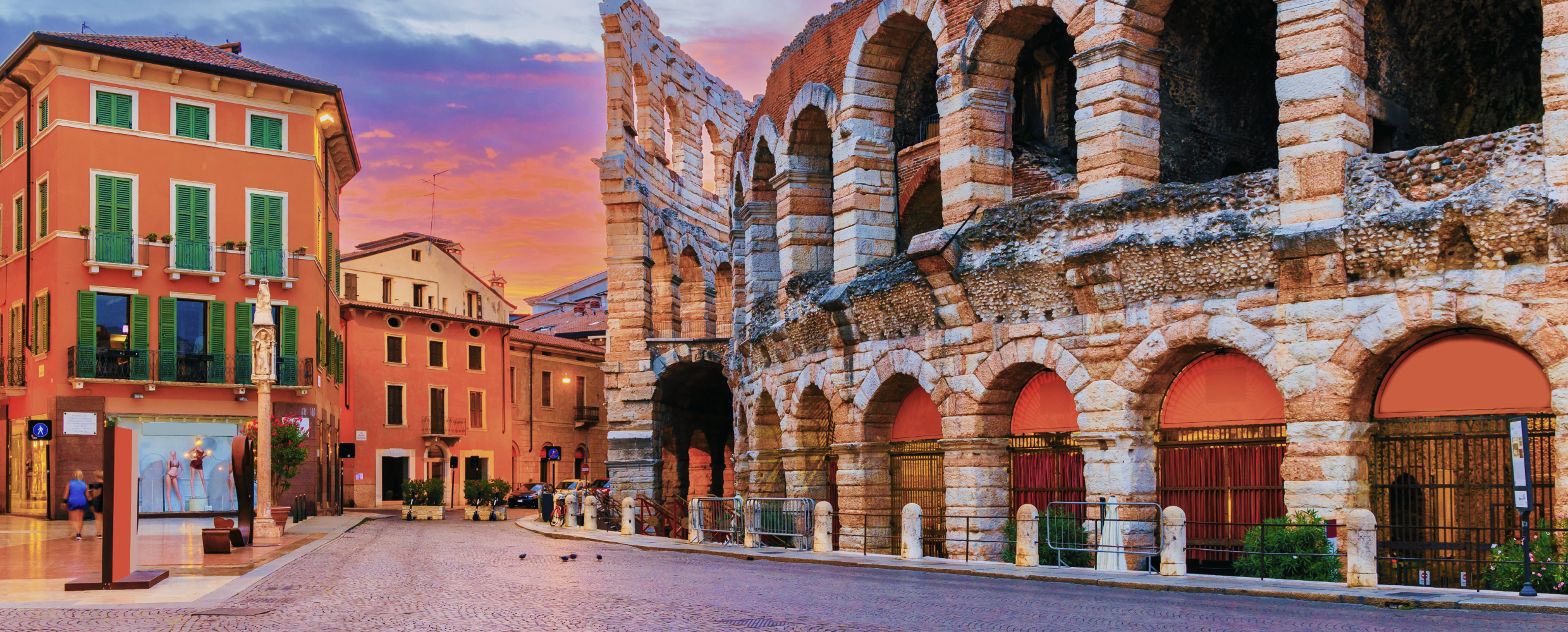
Day 1 — arrive and walk. Evening flight or afternoon arrival, first aperitivo on Piazza delle Erbe, dinner without a deadline. Verona at night, with the Arena lit at the end of Piazza Bra, is the preview that makes the ticket feel real.
Day 2 — the opera day. This is the day to get right, and the mistake is almost universal: people sightsee for eight hours in summer heat and climb the Roman steps at 21:00 already finished.
The shape that works instead:
- Morning: the city while it is cool — the Arena by day, Juliet’s house and the genuinely strange history behind it, the Scaliger tombs, coffee in Piazza dei Signori. Done by one.
- Lunch: seated, unhurried, not heavy.
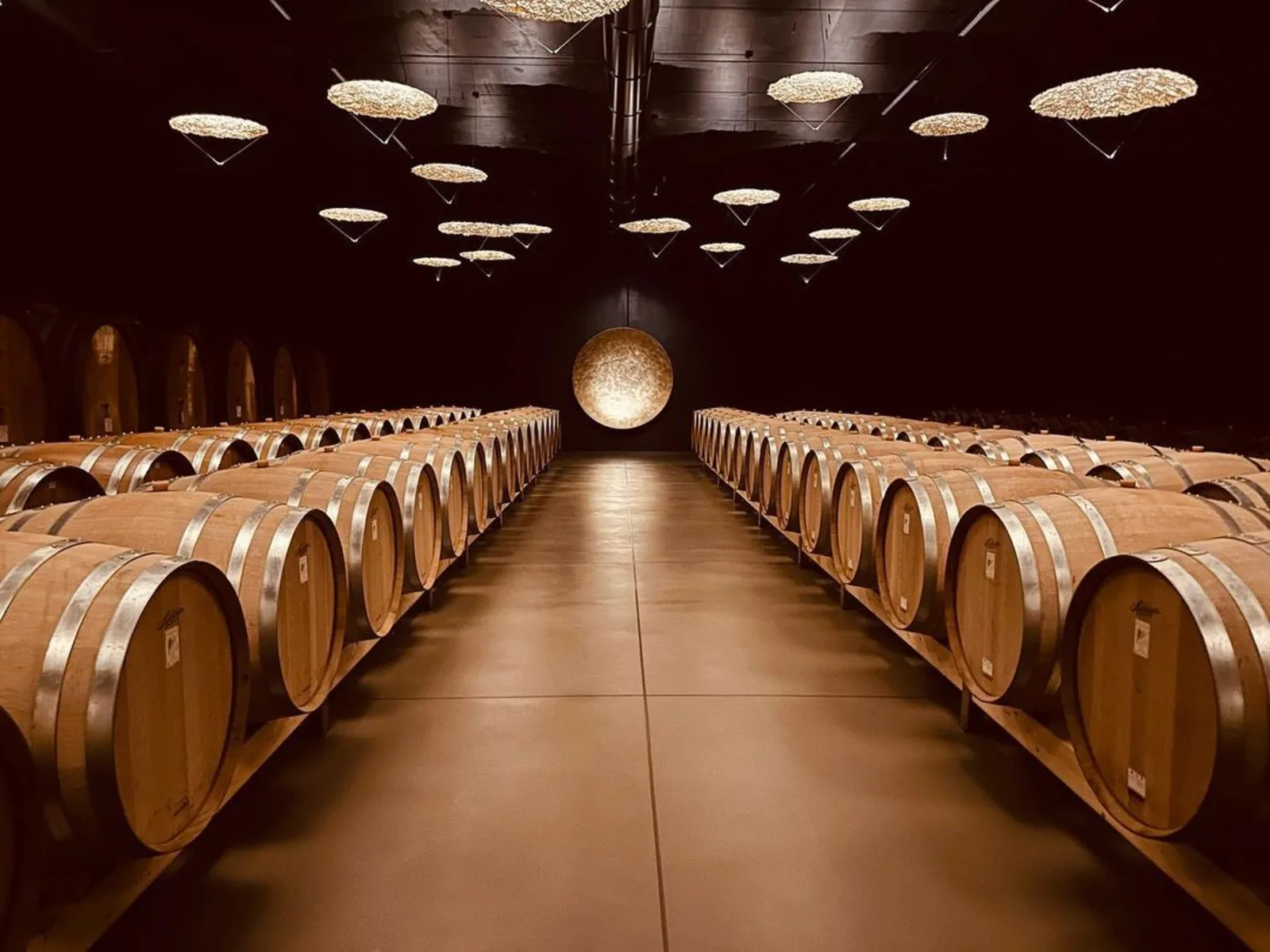
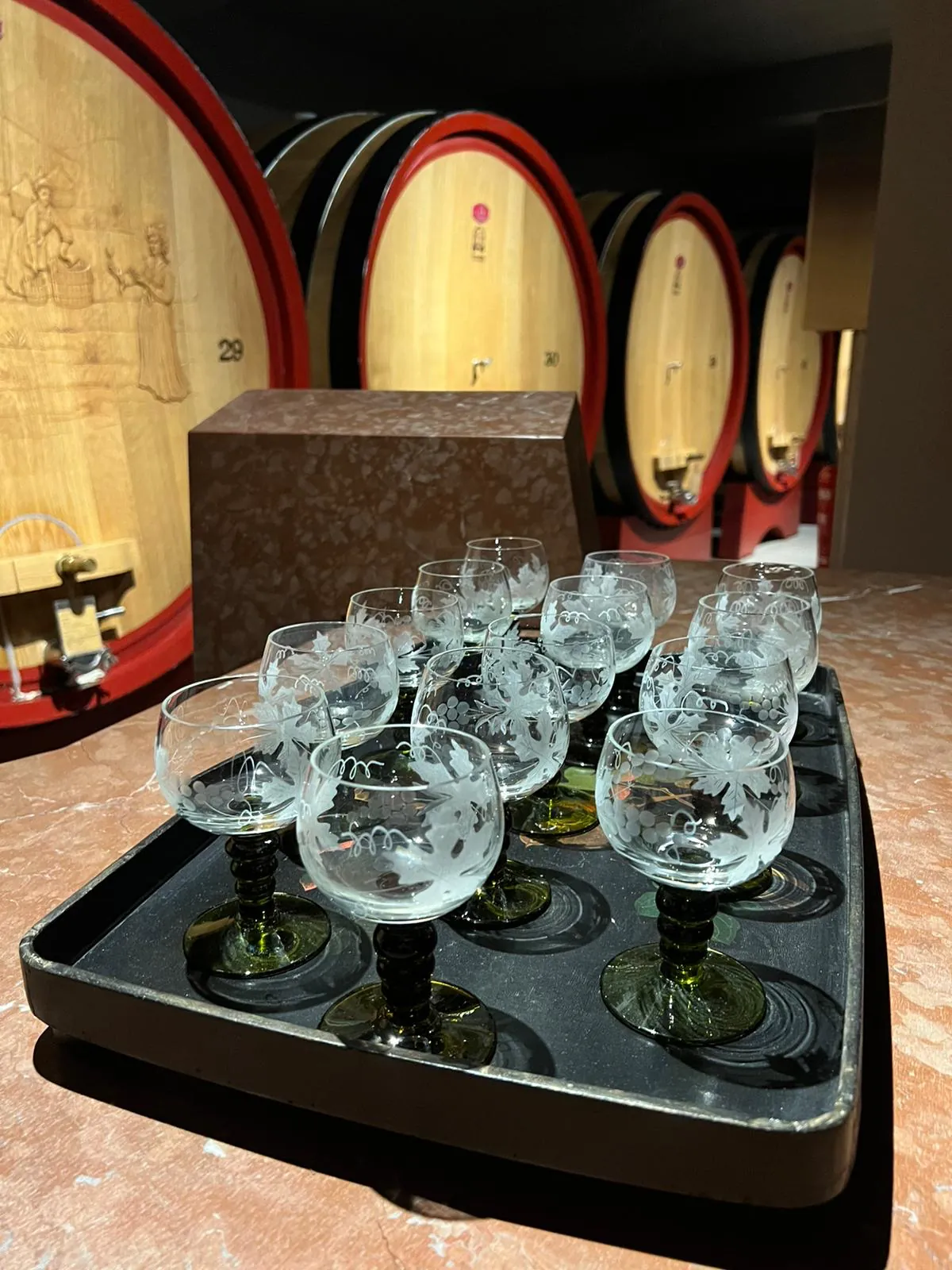
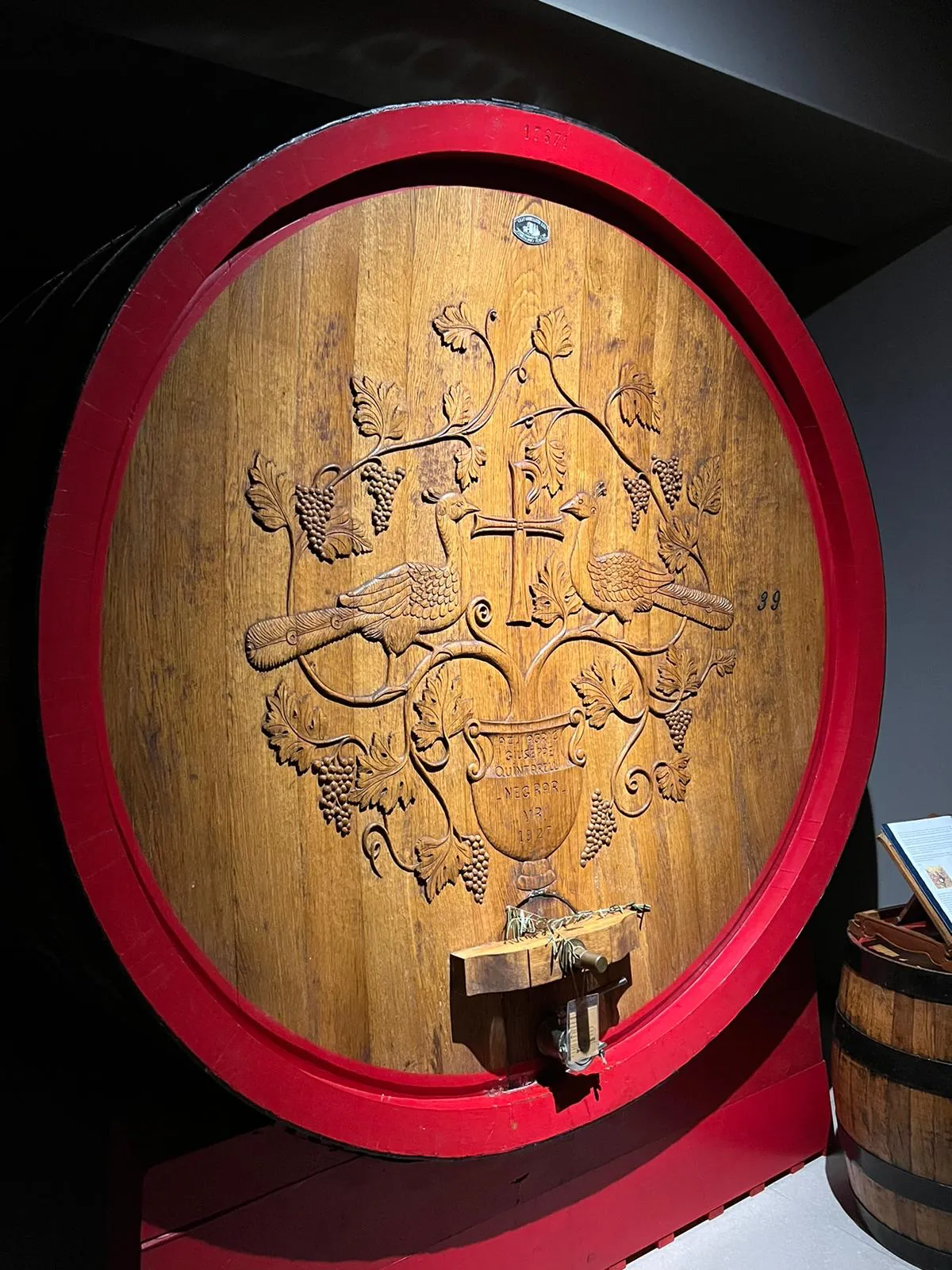
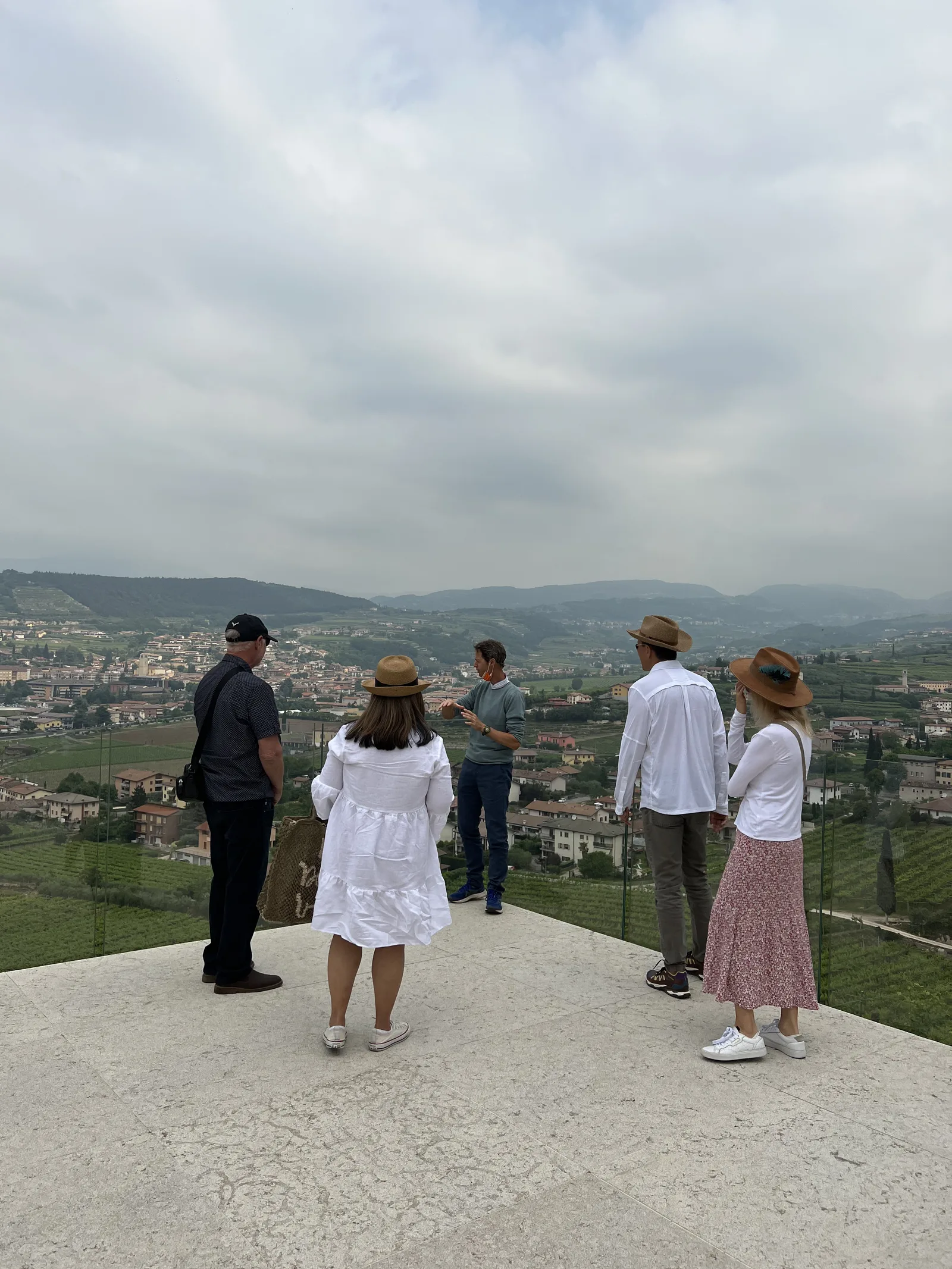
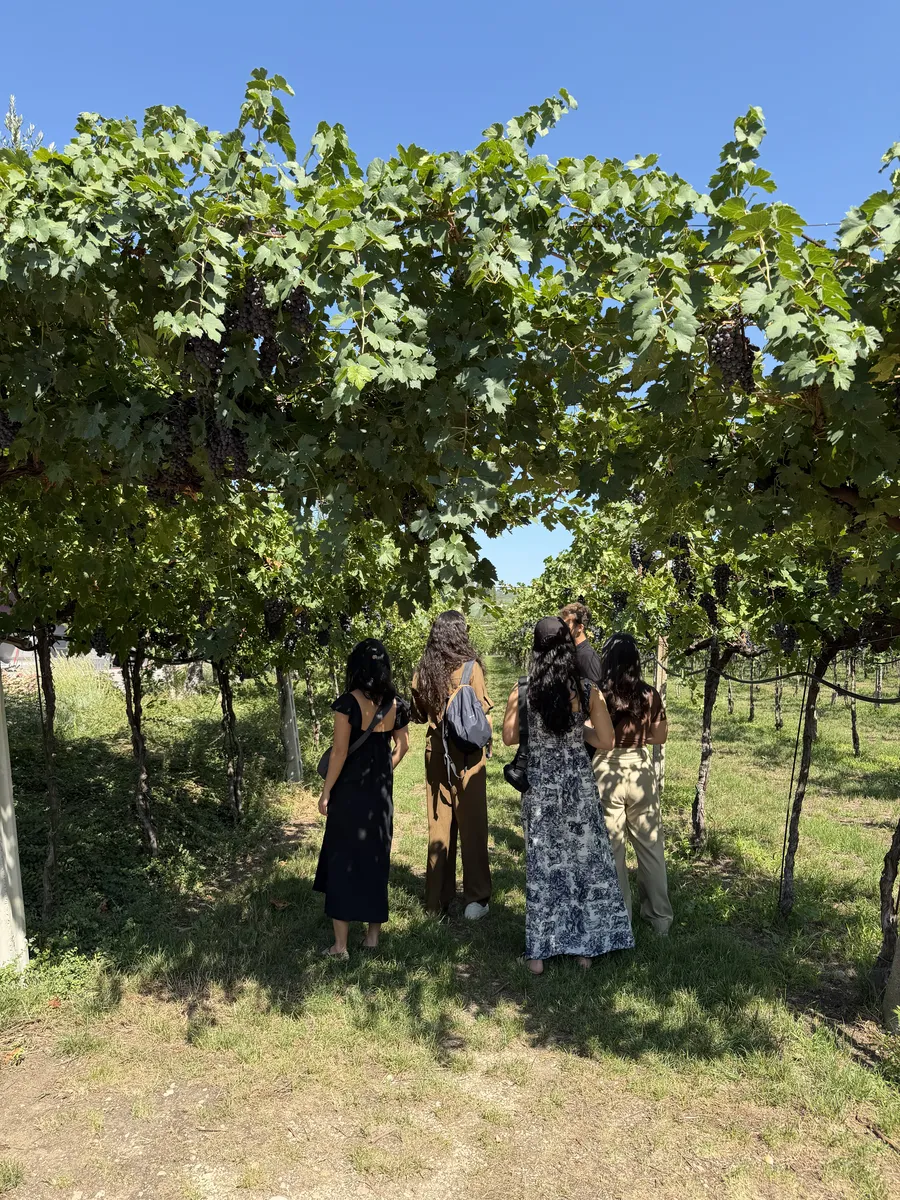
- Afternoon: leave the city. The Valpolicella — the hills where Amarone is made — begins fifteen minutes north of your hotel. A private cellar visit is cool in both senses, it is seated, it involves a sommelier pouring you Amarone where it was raised, and it fills the dead afternoon hours better than a fourth church. Our opera-night wine day is engineered precisely for this slot: two cellars, a guide and sommelier, and a guaranteed return by 18:30.
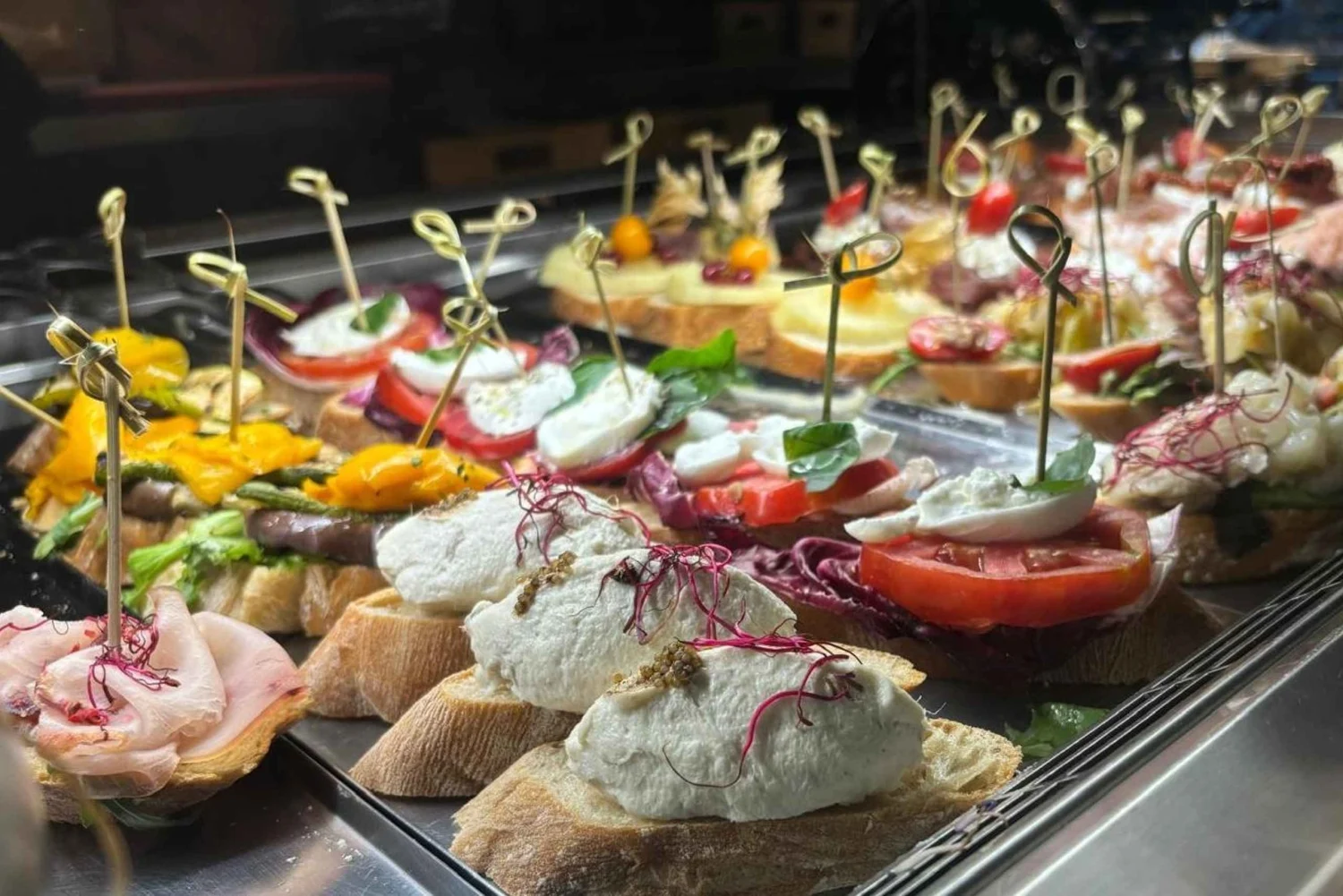
- Evening: shower, change, aperitivo with substance around 19:00 (the kitchens will be closed when you get out — eat now), gates at 19:15–19:30 if you are on the steps, candles at dusk, curtain at 21:15.
Day 3 — slow morning, then choose. Sleep in; the opera ended after midnight. Then either Lake Garda’s shore towns, a second wine region — Soave, thirty minutes east, or nothing but a long lunch. Fly home that evening or the next morning.
With two nights, compress: arrive on day one, opera day on day two, leave on day three’s morning. It works; it is just brisker.
Where to sit, what to wear, what if it rains
The three anxieties of every first-time opera visitor, answered briefly here and fully in their own guides:
- Seats: stone steps for atmosphere and economy, numbered stone for comfort at mid price, stalls if the voices are the point. Full sector-by-sector logic in the Arena seating guide.
- Dress: there is no dress code; there is a temperature curve and a staircase. See what to actually wear.
- Rain: nothing is cancelled in advance, storms pass, the show starts late rather than not at all. Pack a foldable layer and read the rain rules in the festival guide before you panic-refresh a weather app.
Why the afternoon belongs to wine
Every opera city has restaurants and churches. Only Verona has a world-class wine region touching the city limits — close enough that a serious tasting and a 21:15 curtain fit the same day with ninety minutes to spare. Amarone, Ripasso and Valpolicella Classico are made in villages you can see from the city walls; the cellars are family-run, cool and quiet; and arriving at the Arena having spent the afternoon with a sommelier rather than in a queue is the difference between attending the opera and having a perfect day that ends at one.
That pairing — tasting by day, opera by night — is the single best itinerary this city offers, and almost nobody sells it as one piece. We do, because we are a Verona wine operator and the logistics are our home ground: the opera-night wine day, running on festival evenings from June to September.
Build the break around the two fixed points — the curtain and the flight — and let the rest stay loose. Verona rewards the unscheduled hour more than any itinerary will.
Frequently Asked Questions
Can you do a Verona opera break without a package tour?
Easily — and usually better. Opera tickets are sold directly at arena.it, Verona is 15 minutes from its own airport with direct flights from the UK and much of Europe, and the city is compact enough that no coach transfers are needed. Book the opera first, then flights, then a hotel in the historic centre, and build the days around the evenings.
How many nights do you need for a Verona opera trip?
Two nights is the comfortable minimum: arrive, see the city, opera on the second evening, leave the morning after. Three nights is the sweet spot — it adds a full day for the Valpolicella wine region or Lake Garda without rushing, and leaves a recovery morning after a show that ends past midnight.
When should I book a Verona opera break?
The next summer's opera calendar is published in autumn, and the best central seats for July and August weekends go by late winter. Book opera tickets and flights four to six months out for first choice; the stone steps and city hotels forgive later planning.
Can you see the Verona opera as a day trip?
From Lake Garda, Venice or Milan it is possible — trains run late enough from Verona Porta Nuova on most festival nights, but check the last connection against a post-midnight final curtain. Staying the night in Verona is far more relaxed: the walk from the Arena to a hotel bed beats a 1am platform.
What do you do in Verona before the opera?
The classic mistake is wandering the city all day in July heat and arriving at the Arena with tired legs. The better shape: city sights in the cool morning, a seated lunch, then an afternoon wine tasting in the Valpolicella — the cellars are cool, the pace is slow, and you are back by 18:30 for an aperitivo before a 21:15 curtain.
Is a Verona opera break good for someone who has never been to an opera?
It is arguably the best possible introduction. The Arena is open-air, the atmosphere is closer to a festival than a gala, nobody checks what you are wearing on the stone steps, and the productions — Aida above all — are pure spectacle. If you don't love it, you have still spent an evening inside a Roman amphitheatre under the stars.
What does a Verona opera weekend cost per person?
A realistic self-built range: flights aside, around €30–€250 for the opera ticket depending on sector, €120–€300 a night for a central hotel in season, and normal Italian city prices for meals. A private Valpolicella tasting afternoon adds from about €250 per person, or €500 for the dedicated opera-day experience with the guaranteed 18:30 return. It compares well with packaged opera holidays once you notice those are built on the same arena.it tickets.
Planning a trip?
Get the free 3-day Valpolicella plan
The itinerary we'd build for a first visit — yours by email, plus occasional guides from Verona. No spam.
No spam, and we never share your address. Unsubscribe any time.