Juliet’s house in Verona is at Via Cappello 23, the courtyard is free, and the balcony was added in the 1930s. Knowing that last part before you arrive is the difference between a charming five minutes and a disappointment. This guide covers what to see, what’s worth paying for, and the two other Romeo and Juliet locations most visitors miss.
Ready to plan your trip?
Let's design your perfect Italian wine experience
Every tour is tailor-made. Reach out and we'll craft an itinerary that fits your pace, your tastes, and your story.
Juliet’s house and the balcony
The Casa di Giulietta sits on Via Cappello, two minutes from Piazza delle Erbe. You pass through a short stone tunnel — every inch of it once covered in graffiti and love notes, now periodically cleaned — into a small courtyard.
In that courtyard: the balcony on the right-hand wall, and a bronze statue of Juliet below it. Tradition says touching the statue’s right breast brings luck in love, which is why it is polished to a shine. The statue you touch is a replica; the original was moved indoors after decades of wear.
What’s free and what isn’t. The courtyard is free and open to all — this is where the photographs happen. A ticket is needed only to enter the house and step onto the balcony, and it is included in the VeronaCard. The interior is a few rooms of period furniture and costumes from Zeffirelli’s film. It is small, and in high season the queue for the balcony is long.
Is the Romeo and Juliet house in Verona worth visiting?
Honestly: yes for five minutes, no as a destination.
It is free, it is on the way to everywhere, and early in the morning — before roughly 9am — the courtyard is quiet and genuinely atmospheric. Between 11am and 5pm it is shoulder to shoulder, and the tunnel becomes difficult to move through.
What disappoints people is expecting history. There was no Juliet. The balcony is younger than the Empire State Building. What the site actually offers is a piece of collective storytelling: a city that adopted a fiction so completely that it built the fiction a stage.
What’s real and what isn’t
| The house | Genuinely medieval, 13th century |
| The Dal Cappello family | Real owners — the name is close to Capuleti |
| The balcony | Added in the 1930s |
| Juliet | Fictional |
| The rival families | Montecchi and Capuleti appear in Dante’s Purgatorio |
Shakespeare never came to Verona. He inherited the setting from Luigi da Porto, who placed the story here in the 1520s. Why the tale ended up in this particular city — and why Elizabethan England found northern Italy so romantic — is covered in the guide to why Shakespeare chose Verona.
Juliet’s Tomb and Romeo’s house
Two more Verona Romeo and Juliet locations, both far quieter than the house.
Juliet’s Tomb lies in the former convent of San Francesco al Corso, about fifteen minutes’ walk south of the centre. A red marble sarcophagus sits in a cool brick crypt, and the complex includes a small museum of frescoes. Almost nobody is there. If the courtyard left you cold, this is the site that carries actual atmosphere.
Romeo’s house — Casa di Romeo — stands on Via Arche Scaligere, a few minutes from Piazza dei Signori. It is privately owned and closed to visitors, so it is a brick façade and a plaque seen in passing. Worth the thirty-second detour if you are already walking to the Scaligeri tombs next door.
Letters to Juliet
Verona receives thousands of letters addressed to Juliet every year, from all over the world. They are answered by volunteers of the Club di Giulietta, a practice that predates the 2010 film by decades and continues today. Letters left in the courtyard are collected rather than discarded.
It is, of everything in this guide, the part that feels least like a tourist attraction and most like something the city actually does.
Fitting it into a day in Verona
The Romeo and Juliet sites take under an hour combined, tomb included. They are not a day, which is the most useful thing to know when planning.
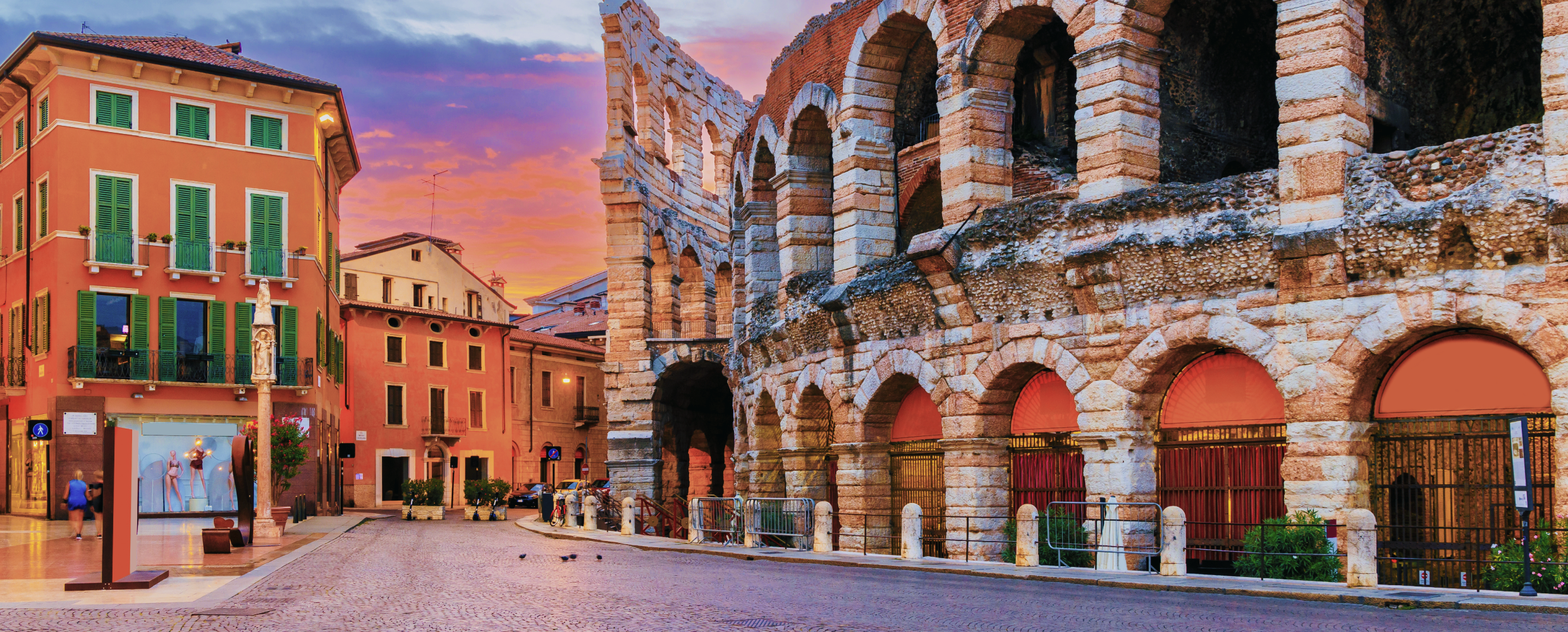
Verona’s other draws sit within the same compact centre — the Roman Arena (which stages the summer opera festival, the most romantic evening the city offers), Piazza delle Erbe, the Torre dei Lamberti and Ponte Pietra — and the day trips guide covers what lies beyond. The city’s real distinction is what surrounds it: four wine denominations inside forty minutes, which is unusual for any European city.
If you have an afternoon rather than a morning, Taste of Valpolicella runs into the hills north of the city, and the best time to visit Italy explains which months reward the trip most.
Frequently Asked Questions
Where is Juliet's house in Verona?
Juliet's house in Verona is at Via Cappello 23, roughly two minutes' walk from Piazza delle Erbe in the historic centre. Known in Italian as the Casa di Giulietta, it is a medieval house with an arched stone entrance to a small courtyard. The courtyard holds the famous balcony and the bronze statue of Juliet, and entry to the courtyard itself is free.
Can you visit Juliet's balcony in Verona?
Yes, with one distinction worth knowing before you go. The courtyard below the Juliet balcony in Verona is free and open to anyone, and it is where nearly every photograph is taken. Standing on the balcony itself requires a ticket to the house interior, which is also included in the VeronaCard. Most visitors are satisfied with the courtyard view; the interior is small and busy.
Is Juliet's balcony authentic?
No, and this is worth knowing rather than discovering on arrival. The balcony was added to the building in the 1930s, assembled in part from an old sarcophagus, after the city bought the house and decided the legend needed a stage. There was no historical Juliet living there. The house itself is genuinely medieval and once belonged to a family called Dal Cappello, whose name is close enough to Capuleti to have started the association.
Is the Romeo and Juliet house in Verona worth visiting?
The courtyard is worth five minutes on the way somewhere else — it is free, it is two minutes from the main square, and the atmosphere is genuinely charming early in the day. It is not worth building an itinerary around, and visitors who arrive expecting a historical site are usually disappointed. Go at opening time or in the evening; between 11am and 5pm the courtyard is extremely crowded.
Did Shakespeare ever visit Verona?
There is no evidence that Shakespeare travelled to Italy at all. He set Romeo and Juliet in Verona because his source did: Arthur Brooke's 1562 English poem, which descended from Italian novellas by Luigi da Porto and Matteo Bandello. Da Porto placed the lovers in Verona in the 1520s, some seventy years before Shakespeare wrote the play.
What is the location of Romeo and Juliet in Verona besides the house?
Three sites make up the circuit. Juliet's house on Via Cappello has the balcony and the statue. Juliet's Tomb sits in the former convent of San Francesco al Corso, about fifteen minutes' walk south, and is far quieter. Romeo's house, on Via Arche Scaligere, is privately owned and can only be seen from the street — it takes a minute in passing and is not a museum.
Planning a trip?
Get the free 3-day Valpolicella plan
The itinerary we'd build for a first visit — yours by email, plus occasional guides from Verona. No spam.
No spam, and we never share your address. Unsubscribe any time.