Why Did Shakespeare Choose Verona?
Shakespeare set Romeo and Juliet in Verona because the story he was adapting was already set there — and because Elizabethan England imagined northern Italy as passionate, sophisticated and dangerous, the ideal stage for a tragedy of love and family feuding. He did not invent the setting, and he never saw the city himself.
His direct source was Arthur Brooke’s 1562 English poem The Tragicall Historye of Romeus and Iuliet. Brooke was working from Italian novellas — Luigi da Porto’s version of the 1520s, later retold by Matteo Bandello — and it was da Porto who first placed the doomed lovers in Verona and gave them the names Romeo and Giulietta. By the time Shakespeare reached the story around 1595, Verona had been its home for roughly seventy years.
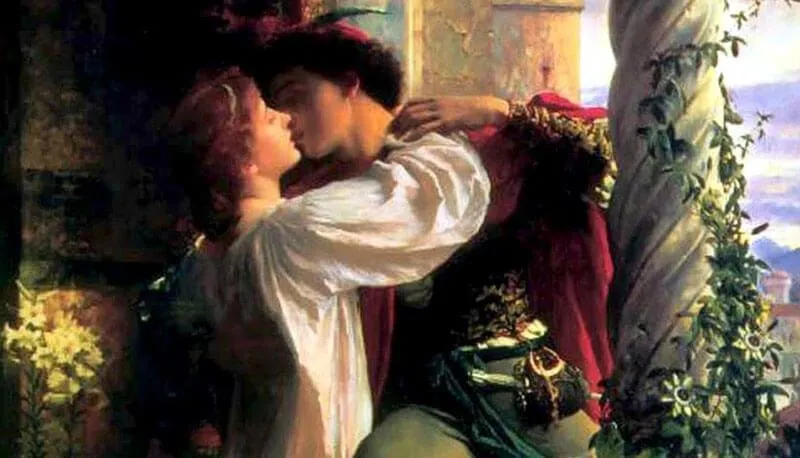
“O Romeo, Romeo, wherefore art thou Romeo?”
That is the short answer. The longer one explains why the setting stuck — why a mid-sized city in the Veneto, rather than Florence or Venice, became the permanent address of the world’s most famous love story. It involves Verona’s real history of factional violence, England’s fascination with Italy, and the city’s position on the road between Venice and Milan. The sections below take each in turn, and close with what remains of the legend for visitors today.
Ready to plan your trip?
Let's design your perfect Italian wine experience
Every tour is tailor-made. Reach out and we'll craft an itinerary that fits your pace, your tastes, and your story.
Did Shakespeare Ever Visit Verona?
No. There is no evidence that Shakespeare ever travelled to Italy, let alone to Verona. No record places him outside England, and the years that would have allowed such a journey — the so-called “lost years” between 1585 and 1592 — are undocumented in either direction.
What he had instead was reading and reputation. Italian novellas circulated widely in English translation, Italian merchants and musicians worked in London, and Italy was the fashionable setting for English drama — Shakespeare used it for The Merchant of Venice, The Two Gentlemen of Verona, Much Ado About Nothing and Othello. His Verona is a literary construction assembled from sources, not a travelogue.
This is why the play’s geography is impressionistic rather than accurate. He names no real street and describes no real building; the city functions as an idea of Italy more than a map of one. It is also why the “authentic” sites in Verona today — Juliet’s balcony above all — are acts of civic imagination rather than history, a distinction we cover in our guide to visiting the real Romeo and Juliet locations.
Where Is Verona Located in Italy (And Why It Was the Perfect Setting)
To understand Shakespeare’s choice, we must first answer a fundamental question:where is Verona located in Italy?
Verona is situated in northern Italy, in the Veneto region, between Venice and Milan. This strategic location has historically made it a crossroads of cultures, trade, and political influence.
In Shakespeare’s time, Italy, particularly Northern Italy, was perceived in England as:
- exotic
- sophisticated
- culturally rich
- emotionally intense
Verona, specifically, represented an ideal blend of:
- aristocratic families
- political tension
- refined urban life
- strong cultural identity
These elements made Verona the perfect backdrop for a story about love, conflict, and fate.
The Italian Influence on Shakespeare’s Work
Shakespeare never visited Italy, yet many of his plays are set there. This is not a coincidence.
During the Renaissance, Italy was seen as the epicenter of:
- art
- literature
- philosophy
- architecture
English audiences were fascinated by Italian culture. Stories set in Italy carried a sense of intrigue, elegance, and emotional depth.
For Shakespeare, choosing Italy—and specifically Verona—allowed him to:
- explore complex human emotions
- create dramatic tension
- appeal to his audience’s fascination with Italian life
In this context,Verona city became more than a location: it became a symbol.
The Origins of Romeo and Juliet Before Shakespeare
One of the most interesting facts is that Romeo and Juliet was not entirely Shakespeare’s original story.
Versions of the tale already existed in Italian literature, particularly in the works of Luigi Da Porto in the early 1500s. These stories were based on local legends involving two rival families in Verona.
Shakespeare adapted these narratives, refining them into the tragedy we know today.
By setting the story in Verona, he:
- preserved its Italian roots
- enhanced its authenticity
- connected it to a real cultural context
This decision helped transform a local legend into a global phenomenon.
Verona City: The Perfect Stage for Love and Conflict
Verona offered everything Shakespeare needed for his narrative.
A City of Rival Families
Historically, Verona was home to powerful families divided by political and social conflicts. The real-life equivalents of the Capulets and Montagues existed, reinforcing the story’s plausibility.
A City of Beauty and Romance
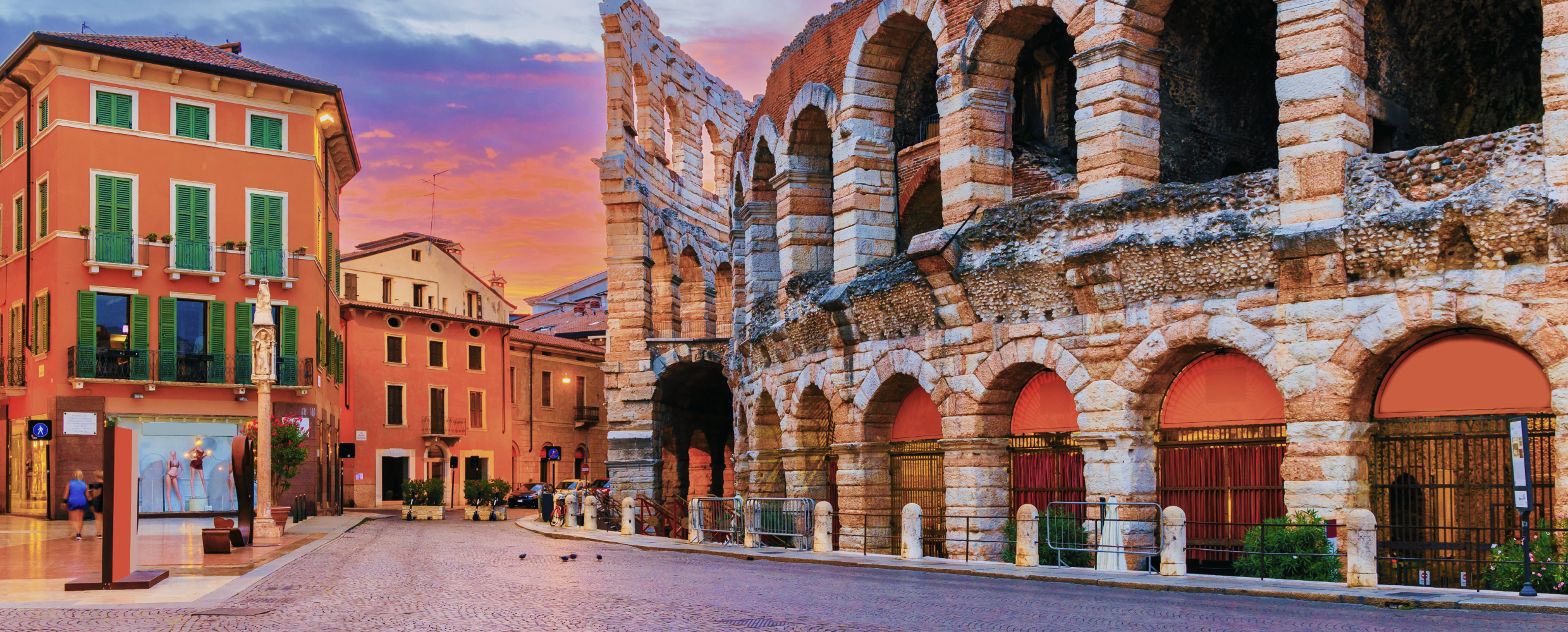
Verona’s architecture, rivers, and urban layout create a naturally romantic setting.
Even today, walking through Verona city feels like stepping into a story.
A City of Balance
Verona is neither too large nor too small. This balance allows the story to feel intimate while still being socially complex.
What to Do in Verona City Today: Living the Story
For modern travelers, the question is not only why did Shakespeare choose Verona, but also what to do in Verona city today.
Visit Juliet’s House
One of the most iconic places in Italy, attracting visitors from around the world.
Explore Romeo’s House
A quieter, more introspective location.
Walk Through the Historic Center
A UNESCO World Heritage site offering authentic Italian experiences.
Discover Juliet’s Tomb
A place of reflection and legend.
Italian Wine Tours: Verona as a Gateway to Excellence
Beyond literature, Verona is one of the best starting points for Italian wine tours.
Valpolicella Wine Experience
Just minutes from Verona city, Valpolicella offers:
- Amarone wines
- boutique wineries
- curated tastings
Ready to plan your trip?
Let's design your perfect Italian wine experience
Every tour is tailor-made. Reach out and we'll craft an itinerary that fits your pace, your tastes, and your story.
This is one of the most refined Italian experiences available.
Why Verona Is Ideal for Wine Tours
Compared to other regions in Italy, Verona offers:
- proximity to multiple wine areas
- less crowd
- higher flexibility
Italian Food and Recipes: The Culinary Soul of Verona
No exploration of Verona would be complete without discussing Italian food and traditional Italian recipes.
Food in Verona is not just nourishment: it is culture, identity, and experience.
Traditional Italian Dishes in Verona
Some of the most representative dishes include:
- Risotto all’Amarone→ a perfect example of wine-based cuisine
- Polenta→ a staple of Northern Italian cooking
- Pastissada de caval→ a historic slow-cooked dish
These recipes reflect the deep connection between food and territory.
The Role of Food in Italian Experiences
In Italy, food is never separate from life.
Meals are:
- social
- slow
- meaningful
When combined with Italian wine tours, food becomes part of a complete sensory journey.
Food and Wine Pairing
One of the highlights of visiting Verona is the opportunity to enjoy curated pairings.
For example:
- Amarone + aged cheese
- Valpolicella + traditional meat dishes
These combinations elevate the experience beyond simple tasting.
Italian Tours: Why Verona Is a Strategic Hub
Verona’s location makes it ideal for Italian tours.
From here, travelers can easily access:
- Venice
- Lake Garda
- Northern Italian wine regions
This allows for flexible and efficient itineraries.
The Emotional Power of Verona
Ultimately, the reason Shakespeare chose Verona may not be purely historical or strategic.
It may be emotional.
Verona represents:
- love
- conflict
- beauty
- tragedy
These universal themes resonate across cultures and time.
Final Thoughts: Why Did Shakespeare Choose Verona?
So, why did Shakespeare choose Verona?
Because Verona offered everything he needed:
- a believable setting
- emotional depth
- cultural richness
- symbolic power
And today, those same qualities make Verona one of the most compelling destinations in Italy.
Verona Today: More Than a Story
For modern travelers, Verona is not just the setting of Romeo and Juliet. You can still walk the real places tied to the legend — Juliet’s House and balcony, Juliet’s Tomb and Romeo’s House. Our guide to visiting the real Romeo and Juliet locations in Verona shows you exactly how, and the Verona city guide helps you plan the rest of your stay.
It is:
- a gateway to Italian wine tours- a center for Italian experiences- a destination rich in Italian food and recipes- a strategic hub for Italian tours---
Conclusion
Verona is not just a literary choice.
It is a timeless destination.
From the enduring legacy of Romeo and Juliet to the refined world of Italian wine tours from Verona, Verona city continues to offer one of the most complete and authentic travel experiences in Italy.
And perhaps that is the real answer.
Shakespeare chose Verona not only because it fit the story
but because Verona is the story.

Visiting in the cold months? Juliet’s city has a quieter, warmer side — see our guides to Verona in winter and the Verona Christmas market.
Frequently Asked Questions
Why did Shakespeare choose Verona?
Shakespeare set Romeo and Juliet in Verona because the story he adapted was already set there, and because Elizabethan England imagined northern Italy as passionate, sophisticated and dangerous. His source was Arthur Brooke's 1562 poem, which descended from Italian novellas by Luigi da Porto and Matteo Bandello. Da Porto first placed the lovers in Verona in the 1520s, about seventy years before Shakespeare wrote the play.
Why did Shakespeare set Romeo and Juliet in Verona rather than another Italian city?
Verona had three advantages. Its source story was already set there; it had a documented history of factional violence between noble families, which gave the feud plausibility; and it sat on the trade road between Venice and Milan, making it familiar to English audiences as a place of movement, exile and banishment — all of which the plot requires.
Did Shakespeare ever visit Verona?
No. There is no evidence Shakespeare ever travelled to Italy. No record places him outside England, and his so-called lost years between 1585 and 1592 are undocumented. His Verona was assembled from Italian novellas in translation and from Italy's reputation in Elizabethan London, which is why the play names no real street or building.
Is there a specific reason Shakespeare chose Verona?
The single most specific reason is inheritance: he did not choose it freely. Luigi da Porto set the story in Verona in the 1520s, Matteo Bandello retold it, and Arthur Brooke's English poem carried that setting to Shakespeare. He kept a setting that already worked, then drew on Verona's real reputation for family feuding to reinforce it.
Was Romeo and Juliet based on a true story?
There is no firm evidence that Romeo and Juliet were real people. The story is literary, traceable through da Porto and Bandello to earlier Italian tales. The Montagues and Capulets, however, echo the Montecchi and Cappelletti — rival factions mentioned by Dante in the Purgatorio — which gave the fiction a historical anchor in real Veronese politics.