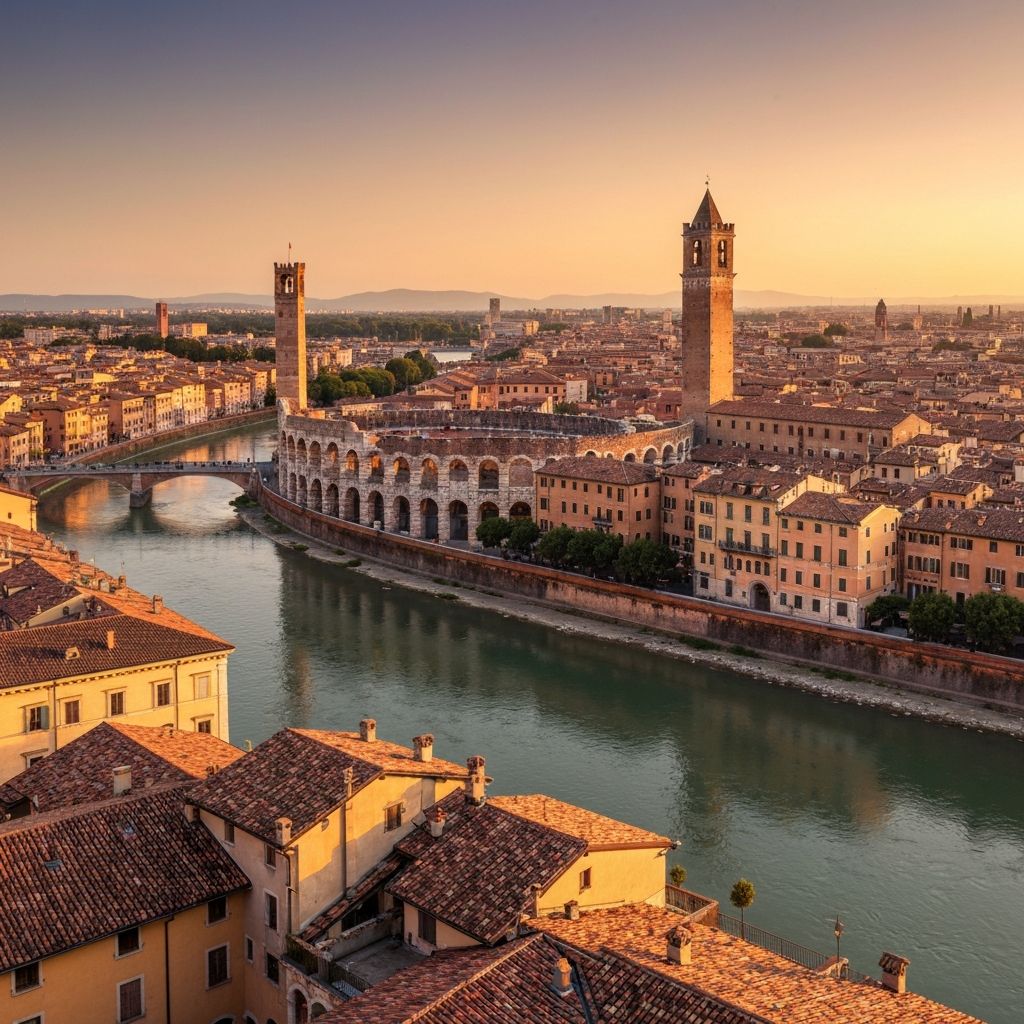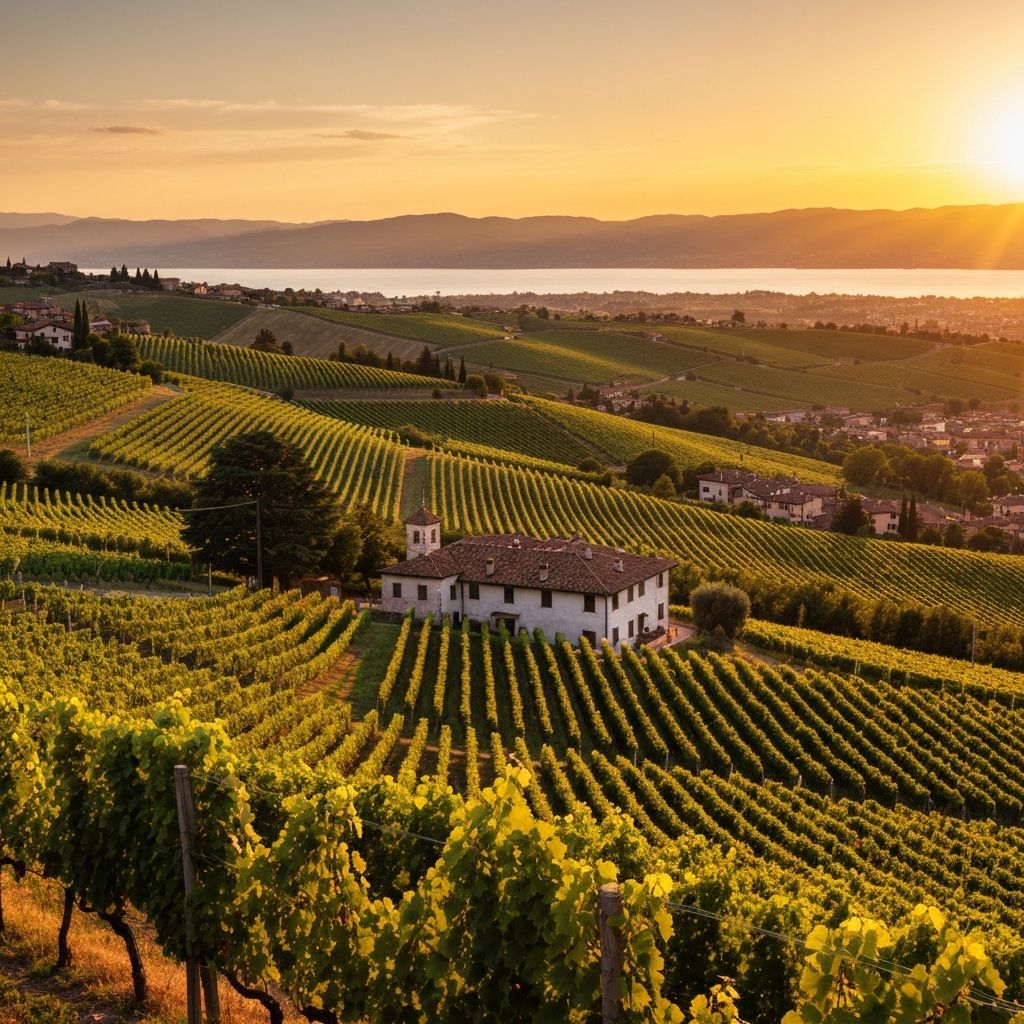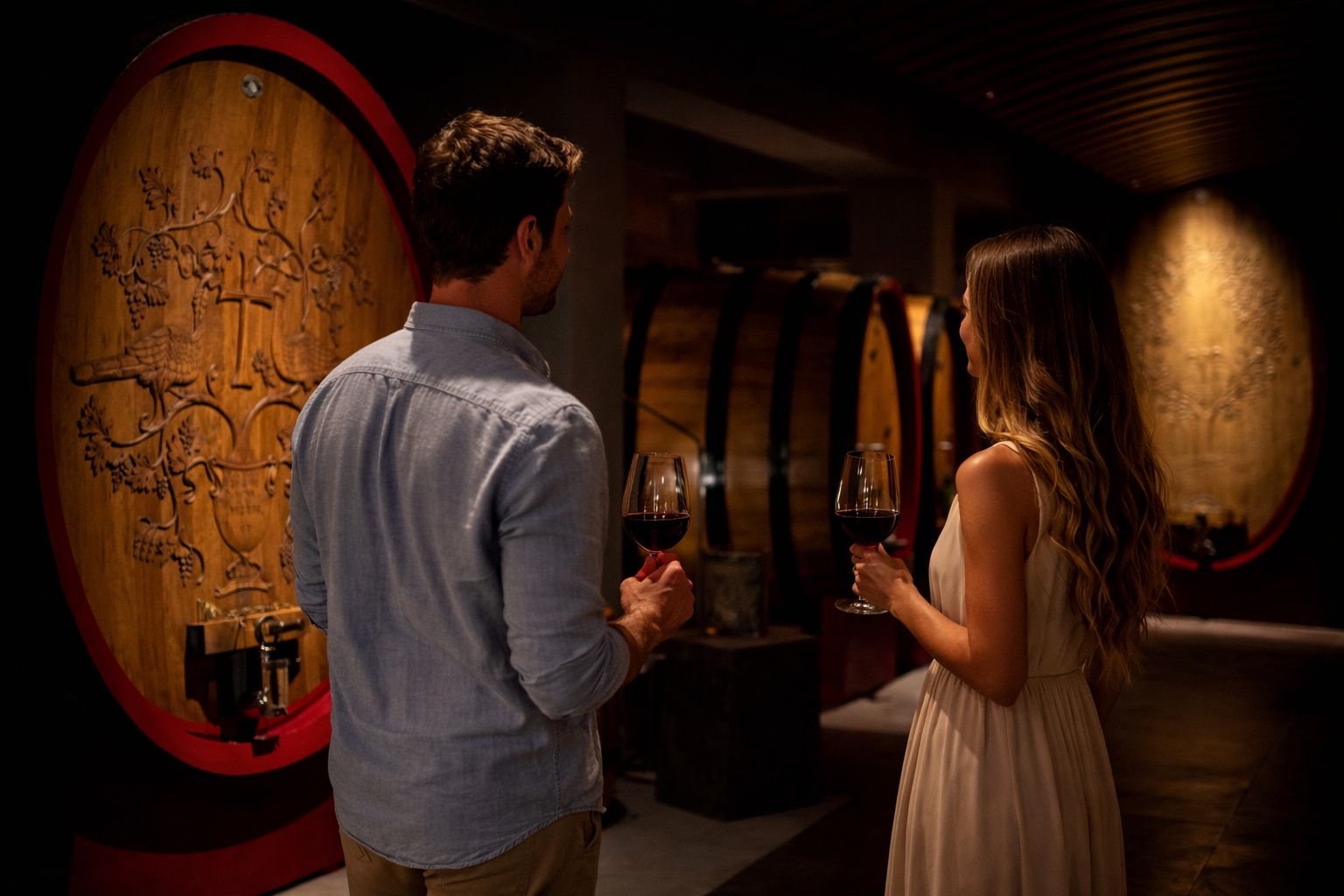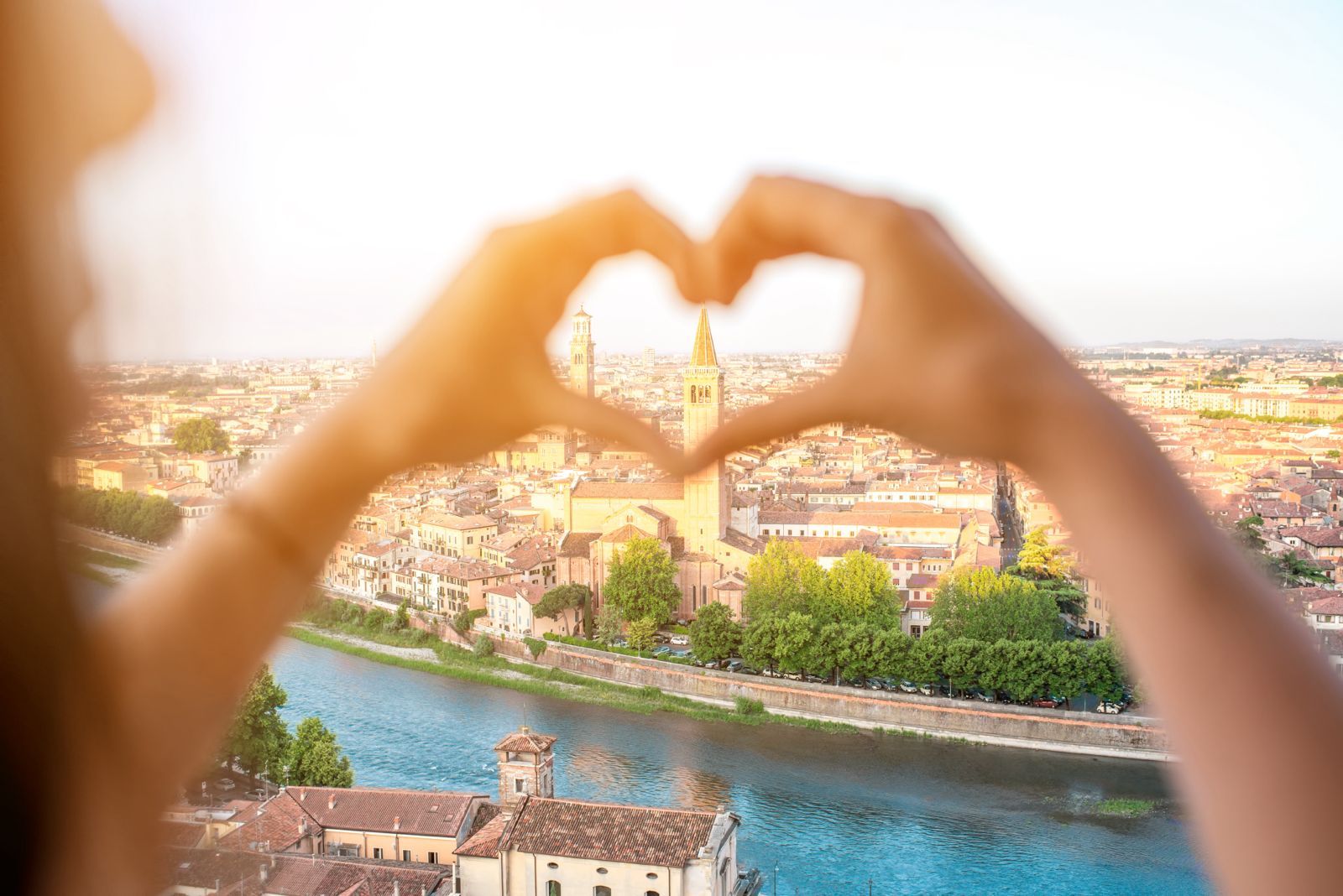
Verona in winter is the insider’s version of the city: the same Roman Arena, the same piazzas and the same wine country twenty minutes away — without the crowds, and with the one thing summer can never offer: time. From November to February the queues disappear, hotel prices drop, and in the cellars of Valpolicella the winemakers themselves — free at last after the harvest — pour the wines. This guide takes the season month by month.
Ready to plan your trip?
Let's design your perfect Italian wine experience
Every tour is tailor-made. Reach out and we'll craft an itinerary that fits your pace, your tastes, and your story.
Verona in November
November is the city exhaling after the tourist season. Expect daytime temperatures around 8–12°C, shorter days and the famous Po Valley fog softening the streets in the morning. It is a superb month for food: the harvest has just finished, the new season’s olive oil arrives from Lake Garda, and trattorie return to their winter repertoire. From mid-to-late November the city changes gear, when the Verona Christmas market historically opens and the lights go up.
Verona in December
December is winter Verona at full brightness. The Christmas markets fill Piazza dei Signori and Piazza Bra (historically until just after Christmas), the centre glows, and on 13 December the city celebrates Santa Lucia, its traditional gift-bringer, with her own stalls — a Veronese ritual older than any Christmas market. Weather is cold, roughly 0–8°C, and almost always manageable on foot. Verona in December rewards a simple formula: market and monuments in the morning, a warm cellar in Valpolicella in the afternoon.
Verona in January
January is the coldest month — highs around 6°C, nights near freezing — and the quietest, which is exactly its appeal. You will have the Arena, the churches and Castelvecchio nearly to yourself, the January sales fill the shopping streets, and the opera season runs indoors at the Teatro Filarmonico, Verona’s winter stage (the famous Arena opera festival is a summer-only affair). For wine travellers this is the deepest of the insider months: nowhere is booked out, and a visit to a legendary cellar like Quintarelli feels like a private audience.
Verona in February
February belongs to romance — inevitably, in the city of Romeo and Juliet. Around Valentine’s Day, Verona stages Verona in Love, its festival of events and stalls in the historic centre, and the Veneto’s carnival season adds frittelle to every bakery window. The weather begins to soften, with highs creeping toward 10°C and noticeably longer days. A tasting for two at a family estate, with the winemaker at the table, is the most Veronese Valentine there is.
Winter is wine season
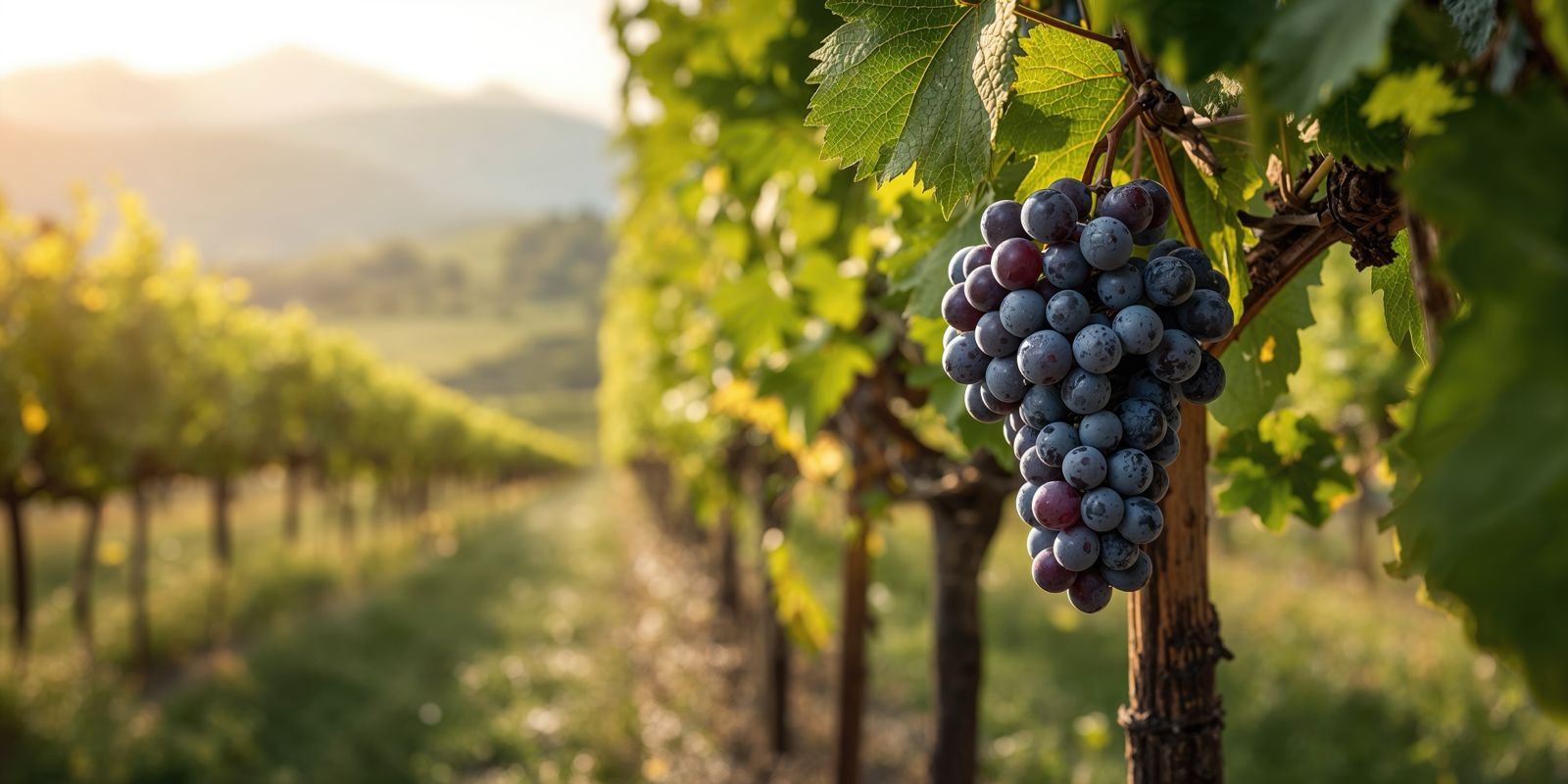
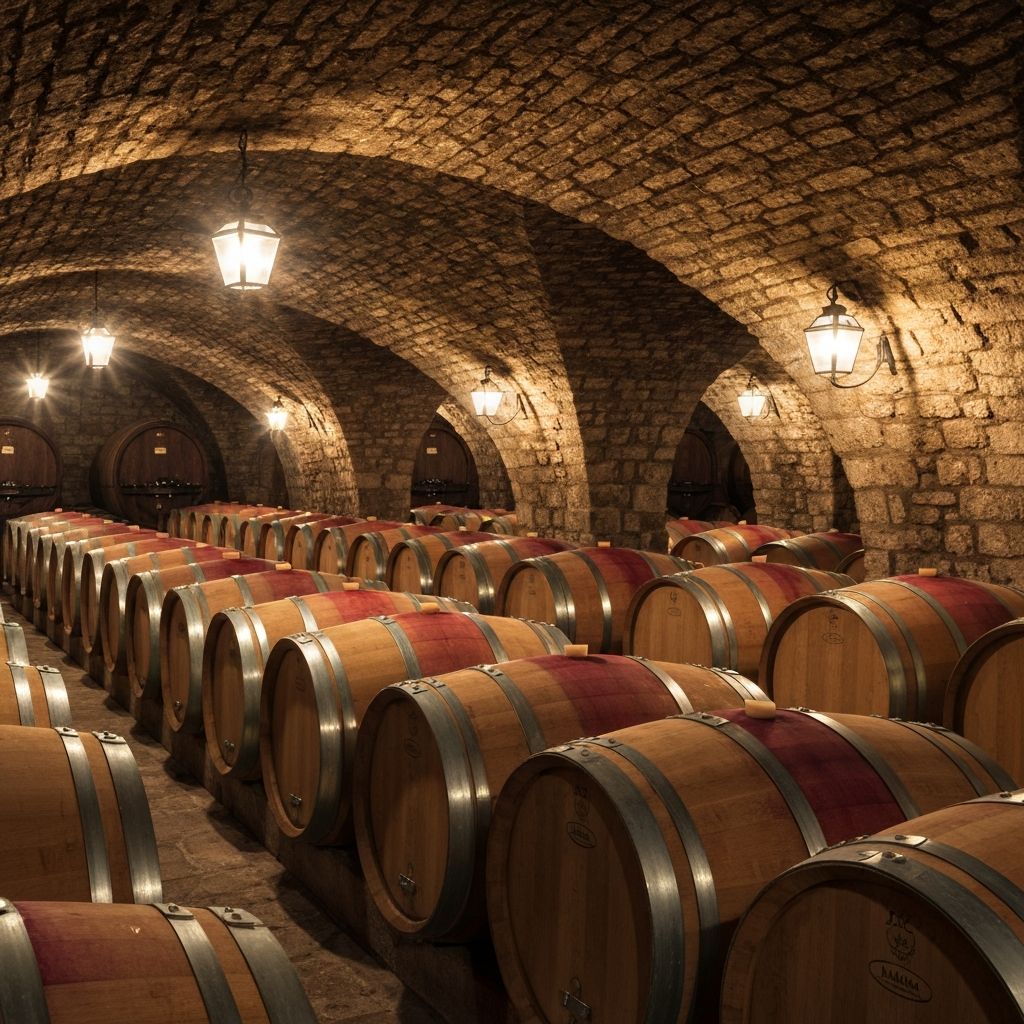
Here is the thread running through all four months: winter is when Verona’s wine country is at its best for visitors. The cellars are indoors and constant in temperature, so the weather outside is irrelevant. Availability is at its annual peak — dates that vanish months ahead in May are open in January. And above all, with the vines dormant and the harvest done, winter is the season when the winemaker has time: to walk you through the drying lofts where Amarone begins, to open the bottle that isn’t on the list, to sit down. In summer you meet the estate; in winter you meet the person.
If that sounds like your kind of trip, start with our complete guide to wine tours in Verona, or simply book the Sunday tasting with lunch — a slow winter Sunday in a Valpolicella cellar, glass in hand, while the tourists wait for June.
One more autumn-into-winter secret: truffle season in the hills — see the Lessinia food and wine guide for the mountain side of Verona’s table.
Frequently Asked Questions
Is Verona worth visiting in winter?
Very much so. Between November and February the city belongs to the Veronese: no queues at the Arena or Juliet's house, better hotel prices, and a lively local season of markets, opera and long lunches. December is the festive peak thanks to the Christmas markets; January and February are the quietest and cheapest months.
What is the weather like in Verona in December and January?
Cold but rarely extreme. Daytime highs sit around 6–8°C in December and January — the coldest months — with nights around freezing, frequent morning fog and occasional bright, crisp days. Snow falls in the city only a few days a year. Dress in warm layers; almost everything you'll do indoors — museums, churches, restaurants, wine cellars — is well heated.
Can you do wine tastings near Verona in winter?
Yes — winter is arguably the best season for it. The Valpolicella and Soave wine regions are 20–30 minutes from the city, tastings take place indoors in cellars that hold the same temperature all year, availability is at its peak, and with the harvest over it is the season when the winemaker personally has time to host visitors.
What happens in Verona in February?
February is the month of Verona in Love, the festival the city of Romeo and Juliet stages around Valentine's Day, with events, stalls and initiatives in the historic centre. It is also carnival season in the Veneto. Paired with a private tasting for two in a Valpolicella cellar, it makes one of Italy's most convincing romantic weekends.
Planning a trip?
Wine trip notes from Verona
Occasional emails on harvest timing, when the appointment-only estates release dates, and how to plan a wine trip in the Veneto. Written by our guides, not a marketing team.
No spam, and we never share your address. Unsubscribe any time.