The Lakeside Terroir: A Symphony of Olives and Grapes
There are very few places on earth where a Lake Garda Tour rewards you with both extraordinary olive oil and world-class viticulture — often within the same estate, sometimes within the same afternoon. This is not a coincidence. It is geography made edible.
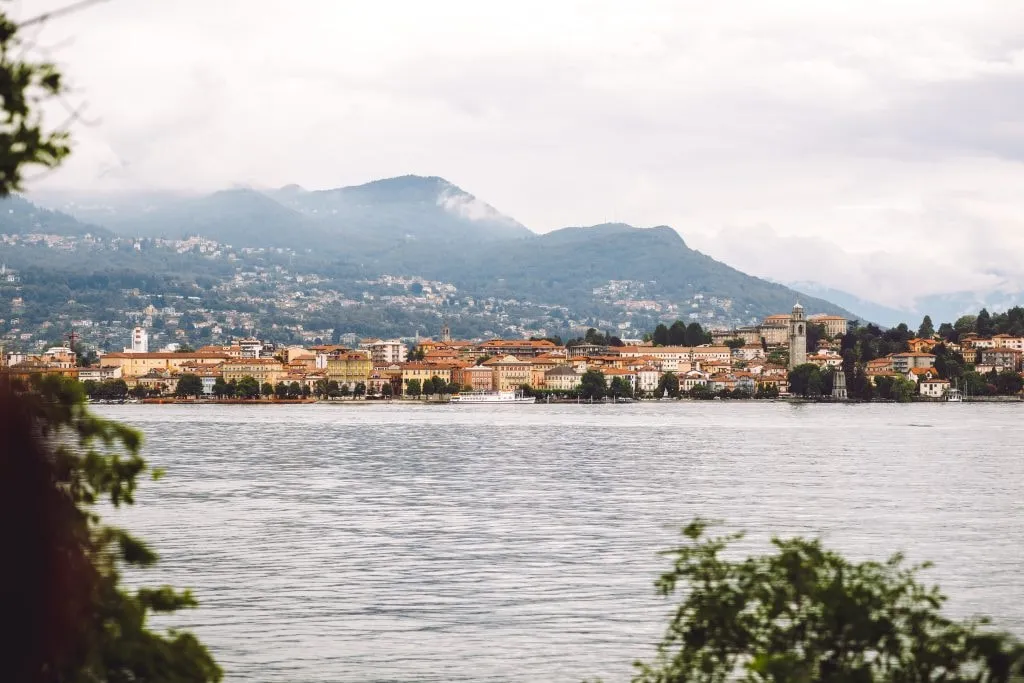
Lake Garda sits at the foot of the Alps, yet its vast body of water — the largest lake in Italy — acts as a thermal regulator. Winters remain mild. Summers stay long and luminous. The surrounding hills absorb heat during the day and release it gently at night. The result is a sub-alpine Mediterranean microclimate that defies expectation and delights the palate.
This climatic anomaly explains why olive trees, which typically thrive far to the south, have flourished here for centuries. It also explains why the vineyards produce bottles of remarkable freshness and complexity. The lake does not simply frame the landscape. It creates it.
Ready to plan your trip?
Let's design your perfect Italian wine experience
Every tour is tailor-made. Reach out and we'll craft an itinerary that fits your pace, your tastes, and your story.
The terroir, however, is not uniform. The eastern shore belongs to the Veneto region, where the town of Bardolino lends its name to a cherished DOC appellation — explore it in our Bardolino wine guide. Here, the hills are gentler, the soils more alluvial, and the bottles tend toward approachable elegance. Cross to the western shore and you enter Lombardy, where the Valtènesi subzone rises more dramatically from the water. The soils are moraine — glacially deposited gravel, clay, and sand — and the landscape feels wilder, more intimate.
Understanding this east-west contrast is essential before booking a private Lake Garda olive oil and wine tour. The two shores are not interchangeable. Each has its own producers, its own appellations, and its own rhythm.
Garda DOP: The Liquid Gold of the Morainic Hills
Garda DOP extra virgin olive oil is one of Italy’s most underappreciated culinary treasures. The designation — DOP stands for Denominazione di Origine Protetta, or Protected Designation of Origin — guarantees that the oil was produced, processed, and bottled within a defined zone around the lake.
The dominant olive varietal is Casaliva, a cultivar native to the Garda basin. It produces oils with notably low acidity, typically well below one percent. The flavor profile is delicate rather than assertive: fresh-cut grass, green almond, and a gentle peppery finish that lingers without overwhelming. These are oils made for the table, not just the kitchen.
Production is almost entirely artisanal. The top estates harvest by hand in late October and early November, rushing the olives to the frantoio — the oil mill — within hours of picking. Speed matters enormously. Oxidation is the enemy of freshness. The best producers treat each harvest with the same urgency a winemaker reserves for peak-ripeness grapes.
A boutique frantoio on the Garda hills might press fewer than two thousand liters in a single season. That scarcity is part of the appeal. These oils rarely appear in supermarkets. They are found at the mill door, at the agriturismo table, or through the kind of private access that a well-curated tour can provide.
Valtènesi and Lugana: Lakeside Viticulture Perfected
Two appellations deserve particular attention on any serious visit to the lake.
Valtènesi DOC, on the Lombard western shore, produces its most distinctive bottles from the Groppello grape — a variety grown almost nowhere else in the world. In its rosé form, known as Chiaretto, it delivers a pale copper-pink pour of surprising depth: dried rose petals, wild strawberry, and a saline mineral thread that speaks directly of the lake. The red expressions are structured yet fluid, built for the table rather than the trophy cabinet.
Lugana DOC occupies the southern tip of the lake, straddling Lombardy and the Veneto. Its white is made from the Turbiana grape, a local biotype of Trebbiano di Soave. Expect stone fruit, white flowers, and a textured, almost waxy richness that develops beautifully with two or three years of age. Lugana is the kind of pour that surprises people who arrive expecting something simple and leaves them planning a return visit.
Both appellations reward slow, attentive exploration — precisely the kind that a private tour makes possible.
Curating Your Private Lake Garda Tour: Frantoio, Cantina, and the Stories Between
The difference between a standard group excursion and a private Lake Garda Tour is not merely logistical. It is experiential in the deepest sense.
When you travel with a dedicated specialist — someone who has personal relationships with the producers — doors open that remain firmly closed to the general public. A family-run frantoio might invite you into the pressing room during harvest. A fifth-generation winemaker might pull a barrel sample from a vintage not yet released. That kind of access cannot be scheduled on a group itinerary. It emerges from trust built over years.
A private specialist also performs an invaluable narrative function. Olive oil and vino, on the surface, seem like separate subjects. But around Lake Garda, they share the same soil, the same microclimate, and often the same family history. A skilled interpreter weaves these threads together. By the end of the day, you understand the land as a coherent whole rather than a series of disconnected stops.
For couples and small groups seeking genuine immersion, this integrated storytelling is the true luxury.
The Frantoio Visit: From Grove to Press
A private visit to a Garda olive mill begins outdoors, among the trees. Ancient Casaliva olives, some planted generations ago, line the hillside terraces in rows that follow the contours of the land. Your host will explain the pruning philosophy, the harvest timing, and the particular challenges of a year defined by late spring frosts or an unusually dry August.
If you visit during the October-November harvest window, you may join the picking itself — nets spread beneath the branches, hands moving through the silvery foliage. Even outside harvest season, the grove visit grounds everything that follows.
Inside the mill, the cold-press machinery is spotless and purposeful. Your specialist walks you through each stage: the washing, the crushing, the malaxation — the slow mixing that allows the oil droplets to coalesce — and finally the centrifugal separation. The smell alone is worth the visit: grassy, bright, intensely alive.
The session concludes with an organoleptic evaluation, the professional technique for assessing oil quality. You warm a small glass between your palms, inhale, sip, and draw air across the oil to release its volatile compounds. It is a skill that takes years to master. Even a first attempt reveals how much complexity a great Garda DOP contains.
Ready to plan your trip?
Let's design your perfect Italian wine experience
Every tour is tailor-made. Reach out and we'll craft an itinerary that fits your pace, your tastes, and your story.
The Cantina Exploration: A Dialogue with the Vintner
A private cellar visit at a Valtènesi estate operates on a different tempo than a tasting room encounter. There is no counter, no laminated menu, no clock on the wall.
You meet the winemaker — often the owner, often the person who made every decision from pruning to bottling — and the conversation begins wherever curiosity leads. Perhaps you want to understand why they chose to age their Chiaretto in concrete rather than steel. Perhaps you are drawn to a vertical comparison of the Groppello rosso across three harvests. The agenda is yours.
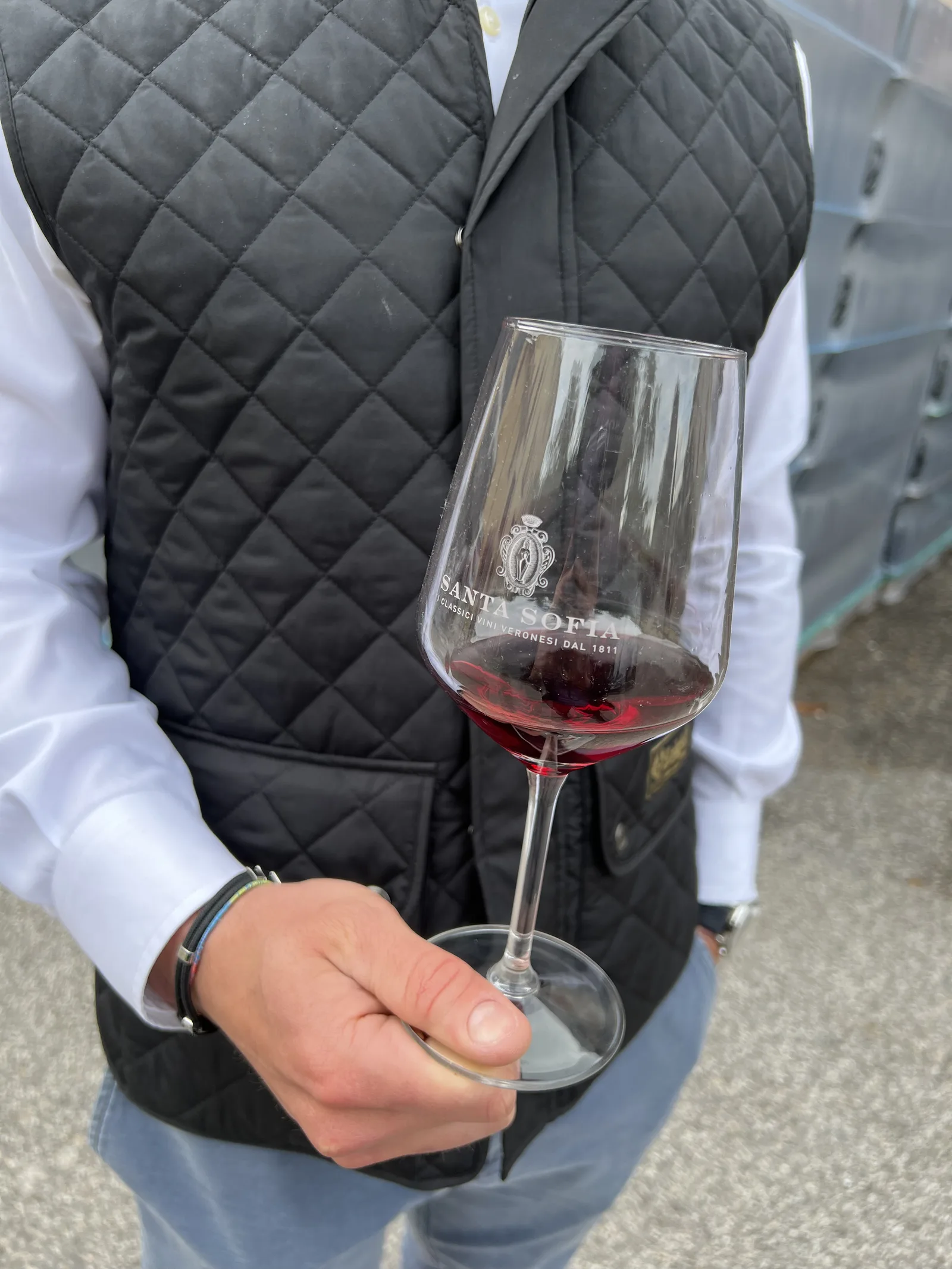
Barrel sampling in a working cellar is a particular privilege. Vino drawn directly from oak is raw and unfinished, yet it communicates the vintage’s character with startling clarity. Consider tasting a 2023 and a 2022 side by side from barrel, before either has been bottled. The contrast offers an insight into the winemaker’s craft that no finished pour can replicate.
These are not performances staged for visitors. They are genuine exchanges between people who love what they make and guests who have come to understand it.
Harmonizing Oil and Vintages: The Abbinamento Session
Abbinamento — the Italian word for pairing — takes on a richer meaning when both the oil and the vino come from the same shoreline.
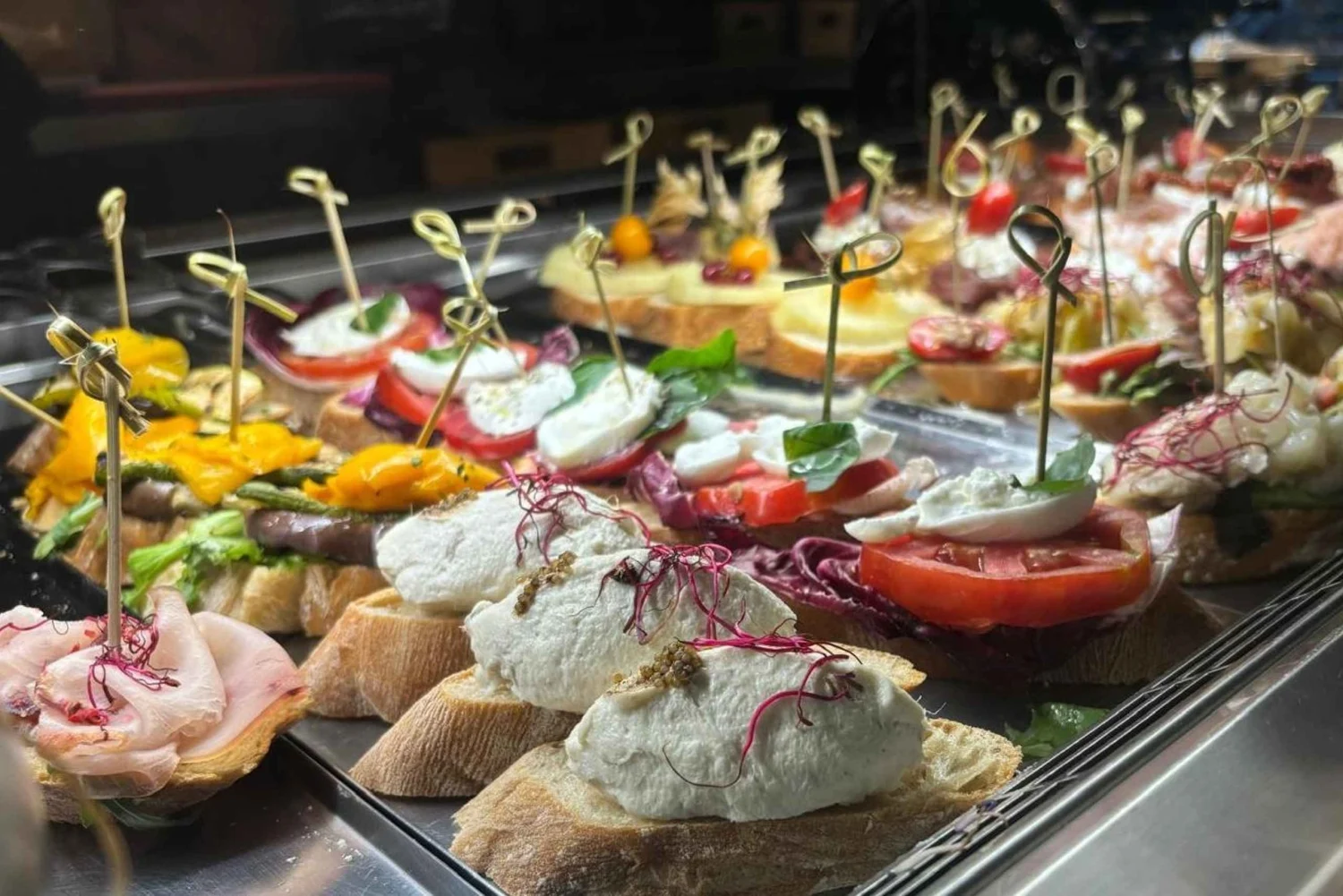
The principle is one of resonance rather than contrast. A delicate Garda DOP oil, with its almond softness and low acidity, finds a natural partner in a mineral Lugana served alongside grilled lake perch or a simple bruschetta of local bread. The Lugana’s citrus lift and the oil’s gentle fruitiness amplify each other without competition.
Move to a more assertive oil — one pressed from olives harvested slightly later, with a stronger pepper finish — and the pairing logic shifts. Here, a structured Valtènesi red, with its Groppello tannins and dark berry character, provides the necessary backbone. Add a wedge of aged Monte Veronese cheese and the combination becomes a complete sensory argument for the Garda basin’s culinary coherence.
Your private tour should include at least one dedicated abbinamento session, ideally seated at a table in the producer’s agriturismo or private dining room. This is where the day’s learning crystallizes into pleasure.
An Itinerary of Distinction: The Western Shore’s Exclusive Estates
The Lombard side of Lake Garda receives fewer visitors than the Veneto shore. That is its gift.
A day-long private tour might begin mid-morning at a boutique frantoio set into the hills above Salò — a graceful lakeside town that served, improbably, as the seat of Mussolini’s final republic. The mill sits among centuries-old olive trees. The owner, whose family has pressed oil here for four generations, greets you personally.
After the grove walk and pressing room visit, a private boat transfer takes you northward along the shore. From the water, the landscape reveals itself differently: the terraced vineyards above Gardone Riviera, the pale stone villages clinging to the hillsides, the way the afternoon light turns the lake surface from blue to hammered silver. The crossing takes roughly forty minutes. A glass of chilled Chiaretto in hand makes it feel shorter.
Your destination is a historic cantina in the heart of Valtènesi. The winemaker is expecting you. The barrels are waiting.
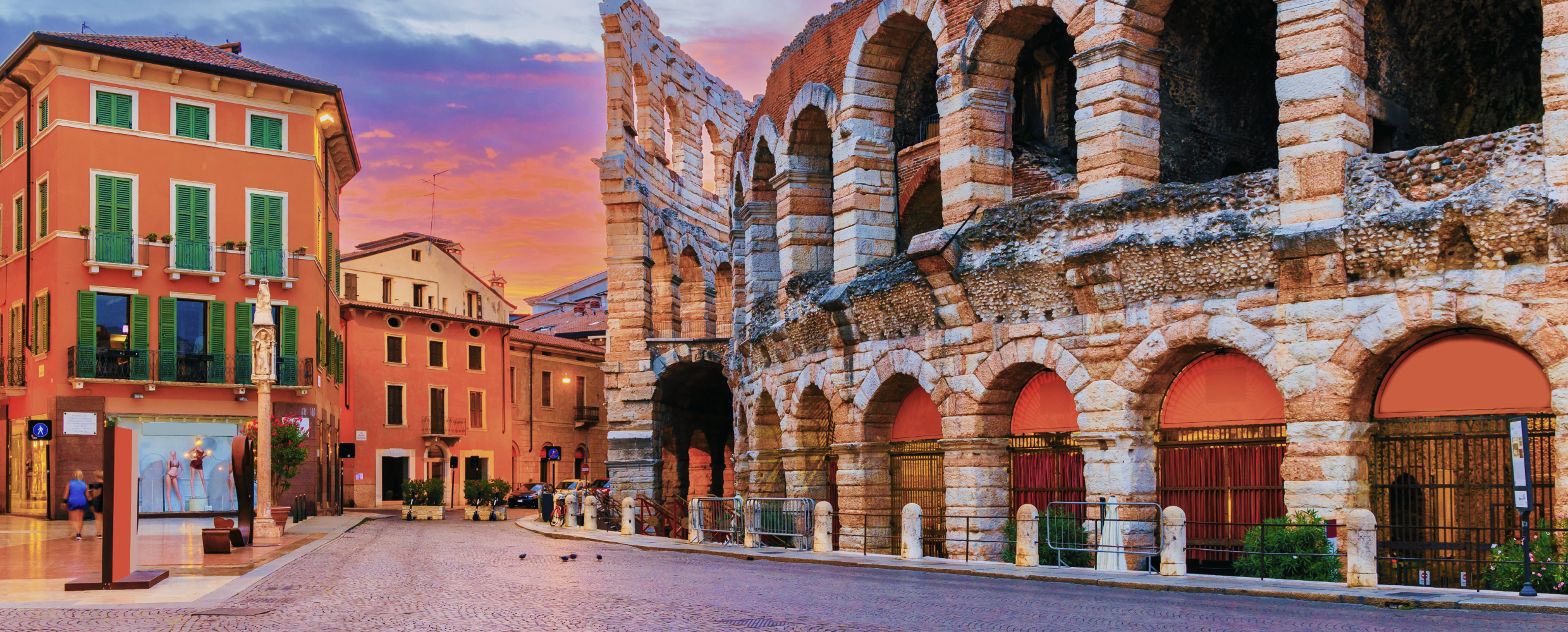
Those who prefer to extend the journey eastward can arrange a morning stop in Lazise, the beautifully preserved medieval village on the Veneto shore, before crossing to the Lombard side by boat. Alternatively, a pre-lunch visit to a Riva del Garda producer — the northern shore offers some of the most dramatic scenery on the lake, and its olive oils carry a slightly more alpine character — adds a compelling contrast to the afternoon’s Valtènesi focus. The exclusive Bardolino olive oil estates that line the eastern hills are another option for those who want to compare the two shores within a single day.
Lunch — or a late afternoon merenda, depending on the pace you prefer — arrives as a natural interlude between visits. A table set under a pergola, lake views unobstructed, plates of local salumi, fresh-pressed oil, and a bottle opened without ceremony. This is the western shore at its most generous.
The return journey, again by boat as the light softens toward evening, closes the day with the kind of unhurried beauty that no road transfer can replicate.
Securing Your Bespoke Lake Garda Tour
A private Lake Garda olive oil and wine tour is not a product pulled from a shelf. It is assembled around you.
The details that matter most are yours to define. Transportation can range from a chauffeured luxury vehicle for the road segments to a dedicated private boat for the lakeside transfers. Dietary preferences and culinary interests shape the abbinamento sessions and the lunch arrangements. Accommodation — whether a design hotel in Sirmione, a historic villa above Lazise, or a discreet agriturismo on the western shore — is chosen to complement the pace of the journey rather than simply provide a place to sleep.
What remains constant is the quality of access. The producers featured on a well-curated private tour are not those who advertise on booking platforms. They are the boutique frantoio owners, the bespoke Valtènesi winery families, and the Lugana vignerons whose names circulate among sommeliers and food writers rather than tourist offices. A luxury visit to Riva del Garda, for instance, typically means an introduction to a small-production estate that has never hosted a walk-in visitor — the kind of encounter that simply cannot be replicated through a standard booking.
What sets this particular journey apart from broader Italian enotourism is its singular focus on a single, coherent landscape. You are not moving between regions or chasing famous appellations across a map. You are circling one extraordinary lake, reading its two shores as a single text — one written in olive oil and aged in oak.
If you and your companion — or your small group of four to six — are drawn to the idea of understanding a landscape through what it produces, this is the journey worth taking. The olive oil and the vino are not souvenirs. They are the language of the place, and a private tour teaches you to read it fluently.
Reach out to us at Enouting to start designing your personalized Italian experience. Whether you’re planning a refined Valpolicella wine tour, exclusive wine tours from Verona, or a tailor-made itinerary across the wider Veneto, our team will guide you every step of the way.
The harvest season fills quickly, and the finest producers reserve their private visits months in advance. The lake will wait for you, but the best experiences—and the most exceptional wines—will not.