The two best windows to visit Italy are late April to June and September to mid-October — mild weather, everything open, and none of the August crush. If wine is the point of the trip, September is the strongest single month, because it coincides with the harvest. This guide breaks the year down month by month and flags the dates that actually change a trip.
Ready to plan your trip?
Let's design your perfect Italian wine experience
Every tour is tailor-made. Reach out and we'll craft an itinerary that fits your pace, your tastes, and your story.
Italy season by season
| Season | Months | What it is like |
|---|---|---|
| Spring | Apr–Jun | Mild, green, everything reopening. Best all-round window |
| Summer | Jul–Aug | Hot inland, very crowded, Ferragosto closures |
| Autumn | Sep–Oct | Harvest, warm days, thinning crowds. Best for wine |
| Winter | Nov–Mar | Quiet and cheap, short days, some closures |
Month by month
April — everything reopens and the countryside is at its greenest. Easter can be busy and prices spike around it, but the rest of the month is excellent value.
May — arguably the best month in Italy overall. Comfortable temperatures, long days, full opening hours, and gardens and vineyards in leaf.
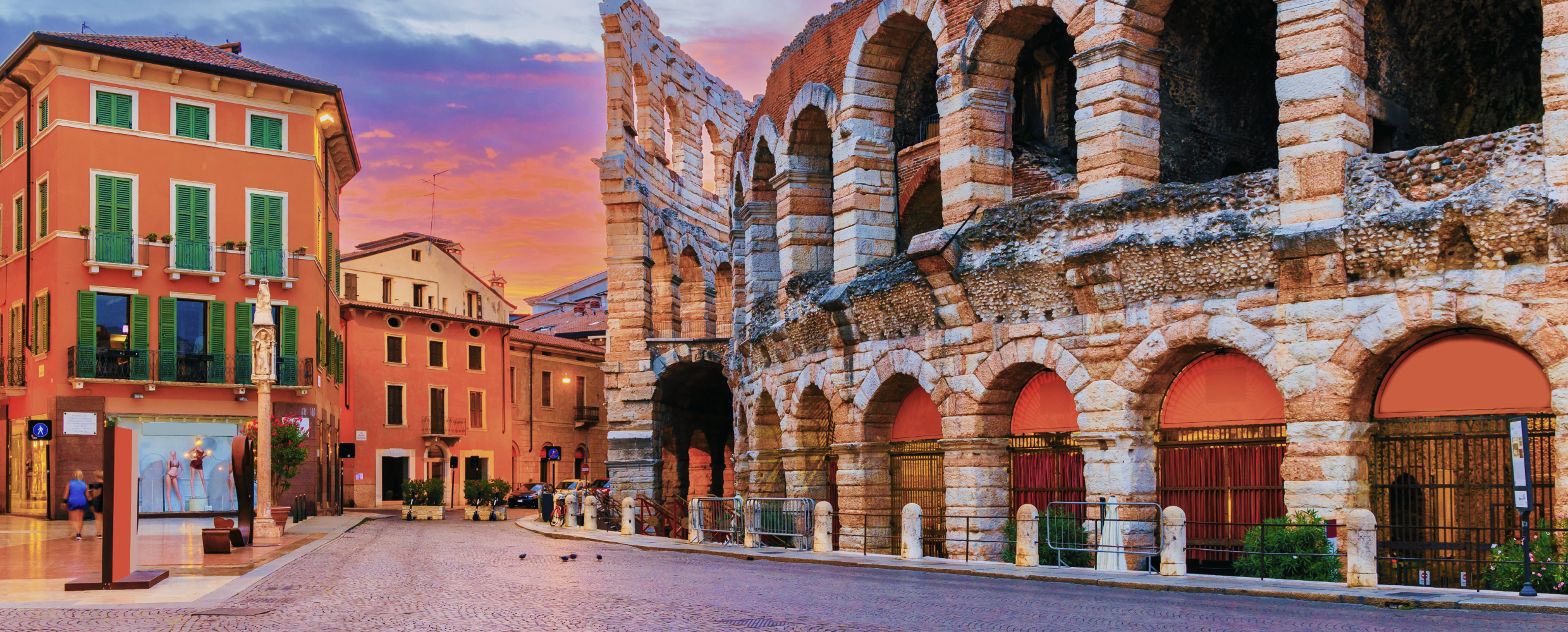
June — still pleasant early on, hotter and busier by the end. The opera season opens at the Arena di Verona.
July — hot and crowded. Best spent at Lake Garda or in the mountains rather than inland cities.
August — the hardest month. See below.
September — the wine traveller’s month. The vendemmia is under way, temperatures are warm without being punishing, and the peak crowds have gone.
October — harvest continues for later varieties, autumn colour arrives in the hills, and the drying lofts for Amarone begin to fill. Rain becomes more likely.
November to March — low season. Cities are calm and cheap; December brings Christmas markets. Some small wineries close entirely in January and February.
What to know about August
Two specific problems, both avoidable with planning.
Heat. Verona, Florence and Rome regularly pass 35 °C, and much of the historic building stock has no air conditioning. Midday sightseeing becomes genuinely unpleasant.
Ferragosto. The public holiday on 15 August is the pivot of the Italian summer. Many family-run restaurants, shops and small producers close for one to three weeks around it. Lakes and coasts stay open and are packed; cities and rural wine regions can feel shuttered.
If August is fixed, base yourself at the lakes and treat the cities as early-morning trips.
The wine calendar, which does not match the tourist calendar
| Period | What is happening |
|---|---|
| Early–mid September | Valpolicella harvest begins, picked early to keep acidity |
| September–October | Vendemmia across northern Italy; wineries active and busy |
| October–January | Grapes for Amarone and Recioto dry in the fruttai |
| January–February | Dried grapes pressed; cellars quiet, some estates closed |
| March–May | Bottling and release; vineyards bare then budding |
If you want to see something happening rather than only taste, aim for September to October, or October to January to see the drying lofts full. The appassimento guide explains what those lofts are doing.
When to book
Almost every family-run Italian winery receives visitors by appointment only — the walk-in tasting room is largely an American convention. That makes the booking window part of the planning:
- September–October: four to six weeks ahead; longer for sought-after estates
- April–June: two to four weeks
- Low season: one to two weeks, but confirm the estate is open at all
Fitting wine into the trip
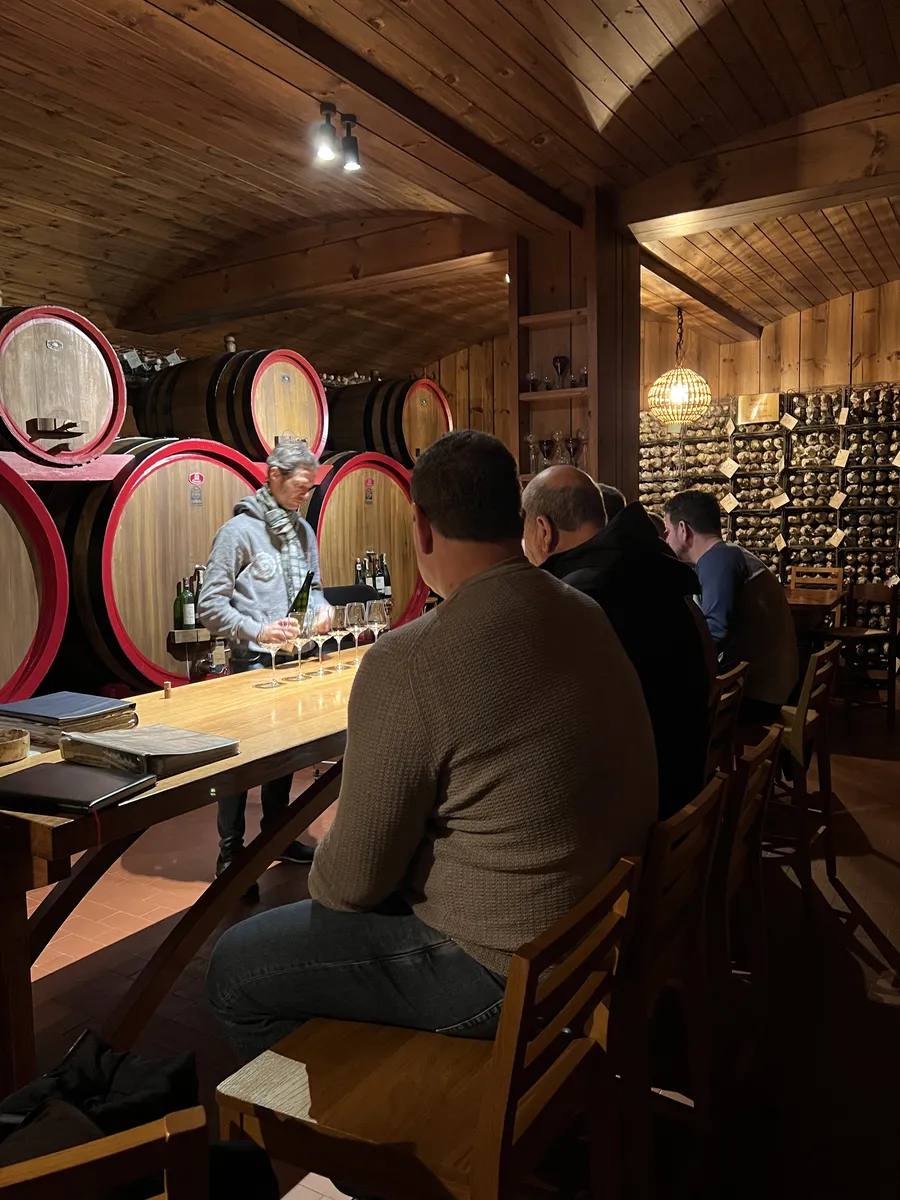
Verona works unusually well as a base in any season: four denominations sit within 40 minutes, so a half-day is enough for two estates. The Taste of Valpolicella tour runs Monday to Saturday year-round, and Sunday: Tasting with Lunch covers the day most cellars are closed.
If you are still shaping the route, the northern Italy itinerary guide covers how the region fits together, and driving in Italy covers the practical problem of getting between wineries.
Frequently Asked Questions
What is the best month to visit Italy?
For the best balance of weather, opening hours and crowd levels, late April to June and September to mid-October are the strongest windows. May and September are the two single best months in most of the country: daytime temperatures sit comfortably in the low twenties Celsius, everything is open, and the peak-season crowds have either not arrived or have gone home. If wine is the reason for the trip, September edges ahead because it coincides with the harvest.
Is September a good time to visit Italy?
September is arguably the best month of the year for a wine-focused trip. The vendemmia — the grape harvest — runs through September and into October across most of northern Italy, so wineries are actively working and there is something to see rather than just taste. Temperatures are still warm, the August crowds have thinned, and accommodation prices drop from their peak. The trade-off is that wineries are genuinely busy, so visits need booking further ahead than usual.
What should I avoid about visiting Italy in August?
Two things. Heat — inland cities like Verona, Florence and Rome regularly exceed 35 °C, and much of the historic architecture has no air conditioning. And Ferragosto, the public holiday on 15 August, around which many family-run restaurants, shops and small wineries close for one to three weeks. Coastal and lake destinations stay open and busy; cities and rural wine regions can feel shut. If August is your only option, plan around the lakes rather than the cities.
Is it worth visiting Italy in winter?
For cities, yes — Verona, Venice and Florence in January are a fraction as crowded and noticeably cheaper, and the Christmas markets in December are a genuine draw. For wine tourism the picture is mixed: cellars are quiet and producers have more time to talk, but many small family estates close to visitors between January and February, and the vineyards themselves are bare. Winter is the season for tasting and conversation, not for landscape.
When is the grape harvest in Italy?
It varies by region and grape, but broadly late August through October. In Valpolicella, north of Verona, picking usually begins in early to mid September, deliberately slightly early to preserve acidity in the grapes destined for Amarone. Those grapes then dry in ventilated lofts from roughly October to January. Further south and for later-ripening varieties like Nebbiolo in Piedmont, harvest can run into late October.
How far ahead should I book a wine tour in Italy?
For September and October, four to six weeks is sensible and the most sought-after estates want longer. Outside harvest season, one to two weeks is usually enough. Almost all family-run Italian wineries receive visitors by appointment only, so the booking window matters more than in countries where tasting rooms simply open their doors.
Planning a trip?
Get the free 3-day Valpolicella plan
The itinerary we'd build for a first visit — yours by email, plus occasional guides from Verona. No spam.
No spam, and we never share your address. Unsubscribe any time.