Italy’s drink-driving limit is 0.5 g/l, and a normal guided tasting of five wines will take most adults past it. That single fact reshapes any self-driven wine trip. This guide covers hiring a car, the ZTL camera zones that generate fines months after you have flown home, motorway tolls, and how to actually get between wineries.
Ready to plan your trip?
Let's design your perfect Italian wine experience
Every tour is tailor-made. Reach out and we'll craft an itinerary that fits your pace, your tastes, and your story.
Before you book: the licence question
If your licence was issued outside the EU or EEA, Italy requires an International Driving Permit alongside it. Rental desks increasingly refuse collection without one, and driving without it where required can invalidate your insurance.
An IDP is a paper translation booklet, not a licence in itself, and it must be obtained in your home country before you travel. There is no way to buy one after arrival.
ZTLs: the fine that arrives four months later
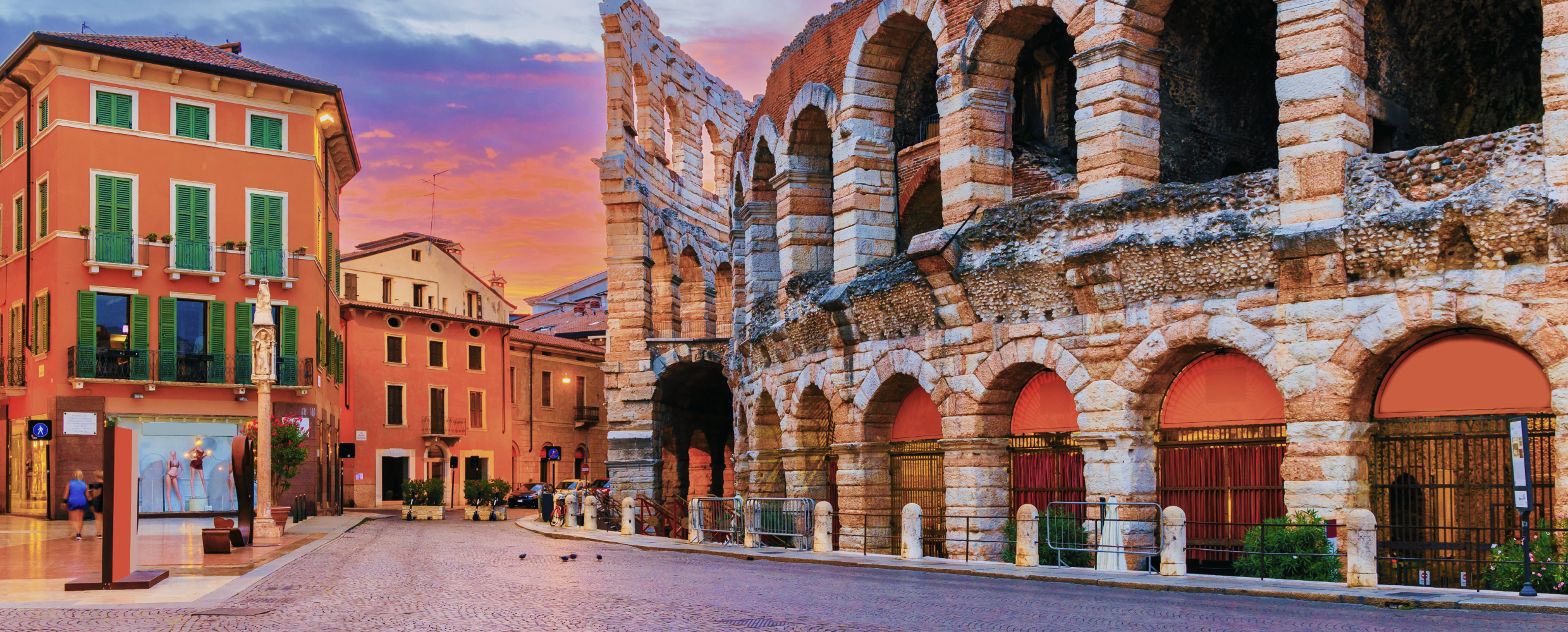
A Zona a Traffico Limitato covers the historic centre of most Italian towns, Verona included. Cameras read every plate entering during active hours; only residents and permit holders are exempt.
There is no barrier. Often there is only a modest circular sign with the hours beneath it, easy to miss while navigating. The fine arrives by post months later, routed through the rental company, which adds its own administration fee on top.
How to stay out of trouble:
- Park in a signposted car park outside the walls and walk in — Italian historic centres are small.
- If your hotel is inside a ZTL, send them your plate in advance so they can register it.
- Do not trust satnav to route around ZTLs. Many do not know where the boundaries are.
Motorways, tolls and fuel
Most autostrade are tolled: take a ticket on entry, pay on exit by card or cash. Budget roughly €7–10 per 100 km. The blue Telepass lanes are subscriber-only — entering one without a device means reversing out under the eyes of a queue.
Speed limits are 130 km/h on motorways, dropping to 110 in rain, 90 on main roads and 50 in towns. Fixed autovelox speed cameras are signposted and common.
At the pump, benzina is petrol and gasolio is diesel. Confusing the two is an expensive mistake; confirm which your rental takes at collection.
The problem nobody plans for
Italy’s limit is 0.5 g/l — lower than England, Wales and most of the United States. For anyone whose licence is under three years old, under 21, or driving professionally, the limit is 0.0.
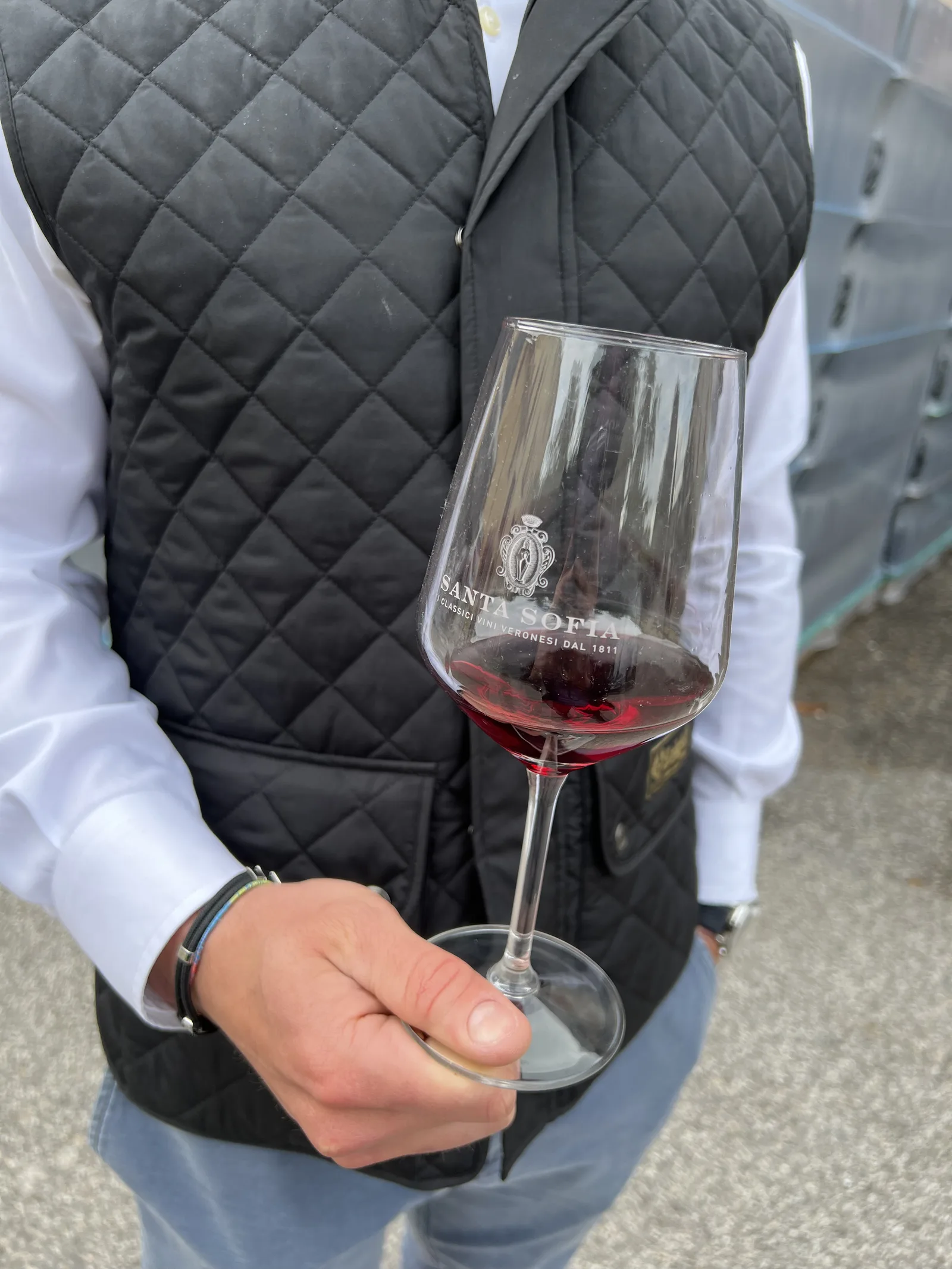
A guided tasting is typically five to six wines. Even spitting, which most visitors do imperfectly, that will put an average adult over the line. Enforcement on regional roads around Verona is genuine, and penalties escalate quickly from fines to licence suspension and vehicle impoundment.
The three workable answers:
| Option | Works when |
|---|---|
| Hire a driver for the day | You want a custom route and full flexibility |
| Join a tour with transport | You also want the booking and translation handled |
| Nominate a non-drinking driver | Someone in the group is genuinely willing |
Public transport to rural estates is effectively non-existent — they sit on farm roads with no scheduled service — so “we’ll just get a bus” is not an available plan.
Why this matters more in wine country than elsewhere
Italian wineries are working farms, not visitor centres. Almost all receive guests by appointment only, and the appointment involves drinking. The guide to visiting Italian wineries covers the booking side; this is the transport side of the same problem.
Around Verona the distances are short — 20 to 30 minutes to the first Valpolicella estates, 25 to Soave, 30 to Lake Garda — which makes a driver-based day genuinely efficient. The Taste of Valpolicella and Surprise Wine Day experiences include transport for exactly this reason.
If you do drive
Rent the smallest car you are comfortable with. Wine-country roads in Valpolicella and Lessinia are narrow, walled and steep, with passing places rather than passing lanes, and a compact car removes most of the stress.
For the wider route, see the northern Italy itinerary guide, and the best time to visit Italy for when to go.
Prefer to skip the logistics entirely? Our Italy trip planning service handles routes, reservations and wine days in one plan.
Frequently Asked Questions
Do I need an International Driving Permit to rent a car in Italy?
If your licence was issued outside the EU or EEA, yes — Italy requires an International Driving Permit alongside your national licence, and rental desks increasingly refuse collection without one. It is a paper booklet, not a licence in its own right, and it must be obtained in your home country before travelling; you cannot buy one in Italy. Police checks do ask for it, and driving without one where required can invalidate your rental insurance.
What is a ZTL in Italy and how do I avoid fines?
A ZTL — Zona a Traffico Limitato — is a restricted-traffic zone covering the historic centre of most Italian towns, including Verona. Entry is monitored by cameras and permitted only for residents and permit holders during active hours. There is no barrier and often only a modest sign, so it is entirely possible to drive through one without realising. Fines arrive by post months later, usually via the rental company, which adds its own administration charge. Park outside the centre and walk in, and if your hotel is inside a ZTL ask them to register your plate in advance.
What is the drink-driving limit in Italy?
0.5 grams per litre of blood for most drivers — lower than the limit in England, Wales and much of the United States. For drivers who have held a licence for less than three years, drivers under 21, and professional drivers, the limit is 0.0. A guided tasting of five wines will normally take an average adult past 0.5 g/l even when spitting, and enforcement on regional roads is real. This is the single biggest practical obstacle to a self-driven wine trip.
Are Italian motorways toll roads?
Most autostrade are tolled. You take a ticket on entry and pay on exit by card or cash; the blue Telepass lanes are for subscribers only and entering one without a device causes problems. Budget roughly €7–10 per 100 km. Regional roads are free and, in wine country, usually more scenic and barely slower.
Should I rent an automatic car in Italy?
Manual is the default and automatics carry a significant premium, so book early if you need one — they genuinely sell out in peak season. In wine country the case for an automatic is stronger than usual: the roads into Valpolicella and Lessinia are narrow, steep and full of tight hairpins, which is demanding in a manual you are not used to.
Can I drive between wineries in Italy after a tasting?
Legally, usually not — and this is the point most trip plans miss. A standard guided tasting puts most adults over the 0.5 g/l limit. There are three workable answers: hire a driver for the day, join a tour with transport included, or nominate someone in the group who does not drink. Public transport to rural estates is effectively non-existent, so the do-nothing option is not really available.
Planning a trip?
Get the free 3-day Valpolicella plan
The itinerary we'd build for a first visit — yours by email, plus occasional guides from Verona. No spam.
No spam, and we never share your address. Unsubscribe any time.