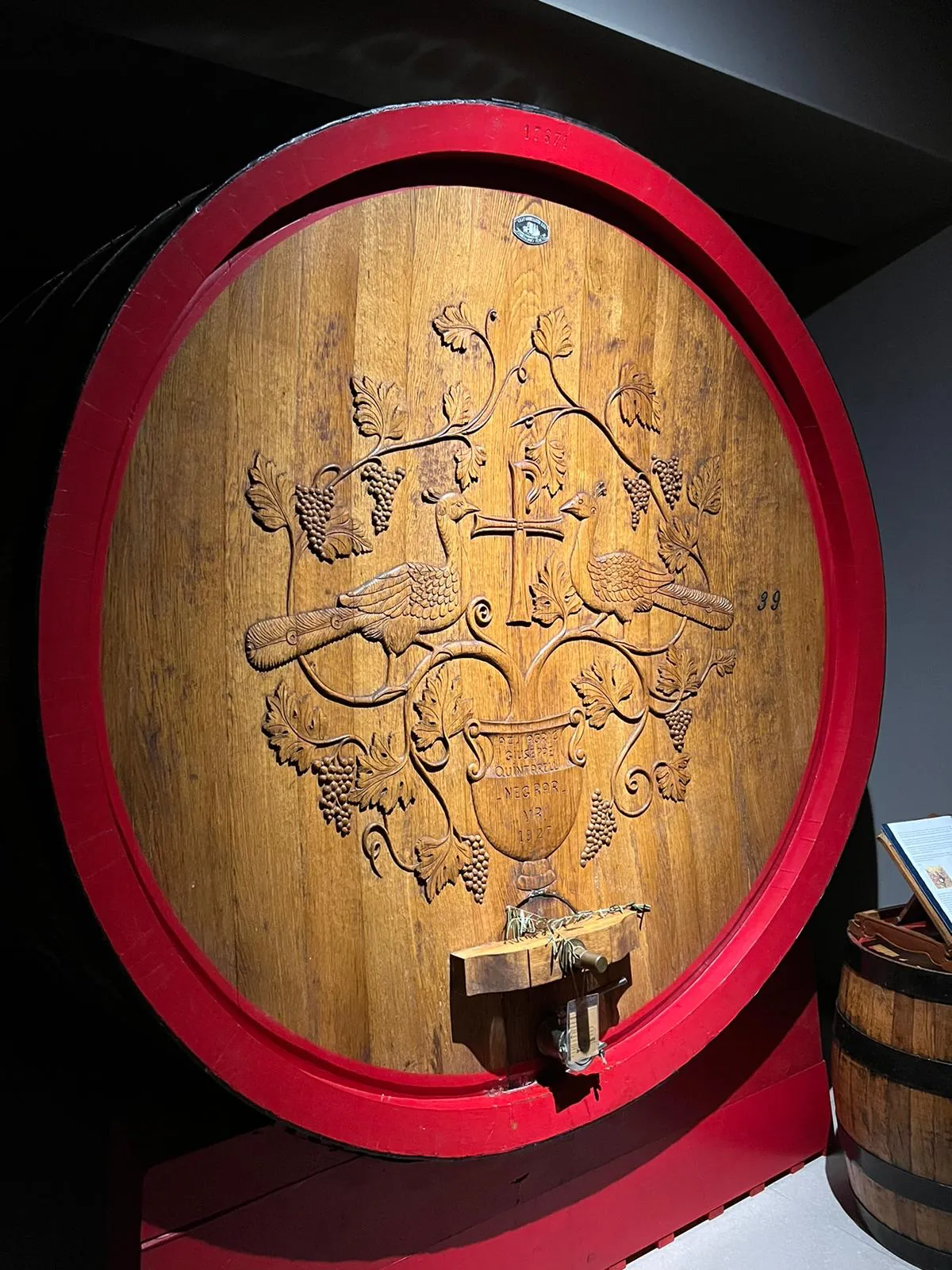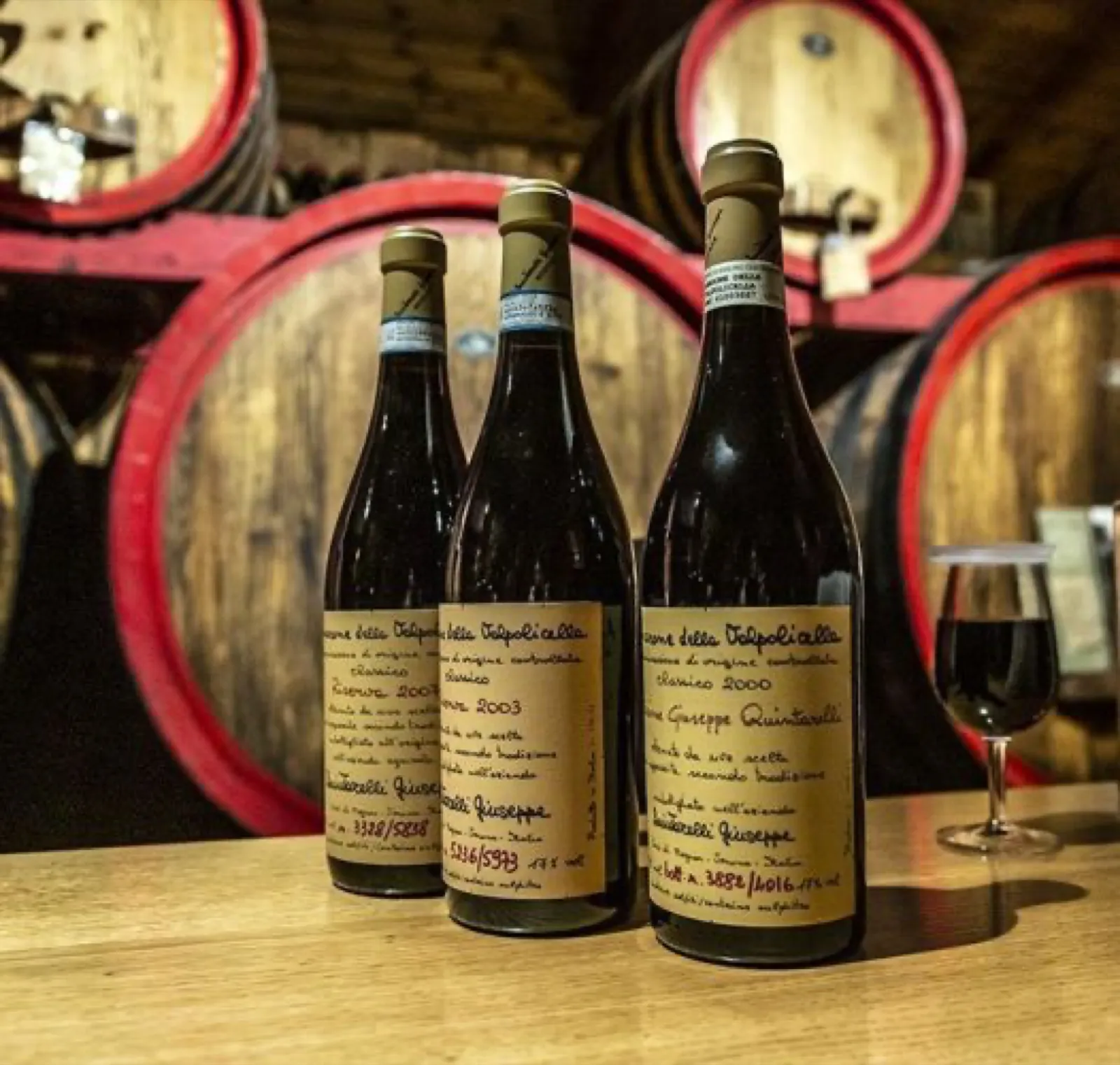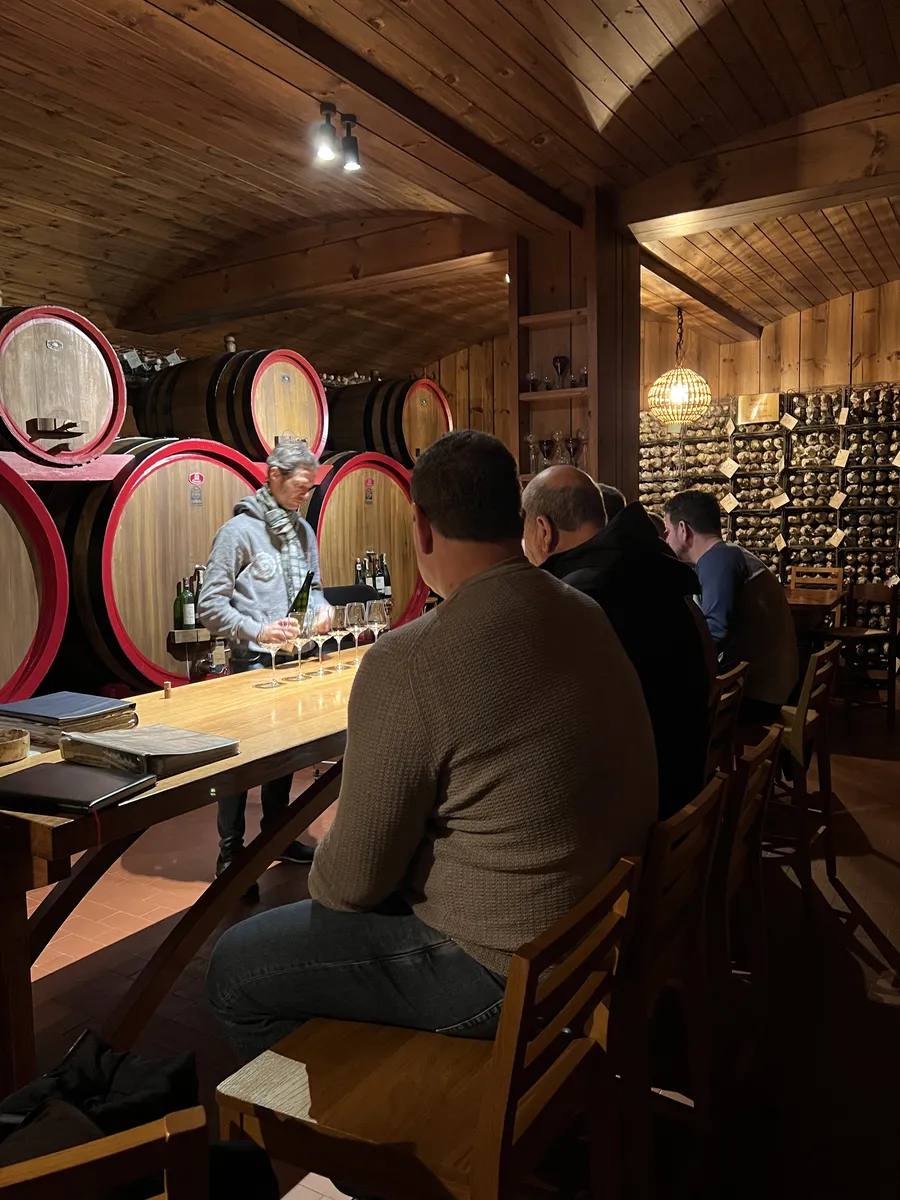
Tuscany is the more famous landscape; Valpolicella is the more efficient trip. Tuscany’s wine zones sit one to two hours apart, while Valpolicella’s estates are ten to twenty minutes from each other and half an hour from Verona. This guide compares the two honestly — including where Tuscany clearly wins.
We run wine experiences in Valpolicella, not in Tuscany. What follows is written from that base, and the comparison is meant to help you choose rather than to sell you one answer.
Ready to plan your trip?
Let's design your perfect Italian wine experience
Every tour is tailor-made. Reach out and we'll craft an itinerary that fits your pace, your tastes, and your story.
The wines are solving different problems
| Tuscany | Valpolicella | |
|---|---|---|
| Main grape | Sangiovese | Corvina |
| Signature wines | Chianti Classico, Brunello di Montalcino, Vino Nobile | Valpolicella Classico, Ripasso, Amarone, Recioto |
| Style | High acidity, moderate tannin, food-driven | Cherry-led, from light to 16% concentration |
| Defining technique | Long oak ageing (Brunello: 5 years) | Appassimento — drying grapes before pressing |
| Best with | Almost any meal | Braises, game, aged cheese — or on its own |
Chianti Classico is a table wine in the best sense: built to sit beside food, which is why Tuscan cooking and Tuscan wine feel inseparable.
Amarone does the opposite. Grapes dry for around four months before pressing, concentrating everything, and the result is a dry red of 15–16% that flattens delicate dishes. It is a main-course or after-dinner wine.
Geography decides how your days actually feel
This is the practical difference, and it is bigger than the wine difference.
Tuscany is spread out. Chianti, Montalcino and Montepulciano are genuinely distinct zones — and one to two hours apart. A week yields three or four estates with substantial driving between them. The landscape justifies the driving; it is among the most beautiful in Europe.
Valpolicella is compact. Estates sit 10–20 minutes apart and 20–30 minutes from Verona. Two visits and a long lunch fit into one day without rushing, and you sleep in a city with restaurants rather than a rural agriturismo.
Add the neighbours — Soave 25 minutes east, Lake Garda 30 minutes west — and four denominations sit inside a 40-minute radius.
Where Tuscany clearly wins
Being straightforward about it:
- Landscape. The Val d’Orcia is more photogenic than the Valpolicella hills. This is not close.
- Variety. Three major denominations with real stylistic differences, plus the Super Tuscans.
- Infrastructure. Signposted wine routes, purpose-built tasting rooms, English everywhere. Easier to do without help.
- Recognition. If you want to come home having drunk Brunello, only Montalcino provides it.
Where Valpolicella wins
- Time efficiency. More tasting, less driving, by a wide margin.
- Access to the maker. Most estates are working family farms; the person pouring often made the wine.
- Cost. Tastings typically €20–50; Verona hotels undercut Chianti agriturismi in season.
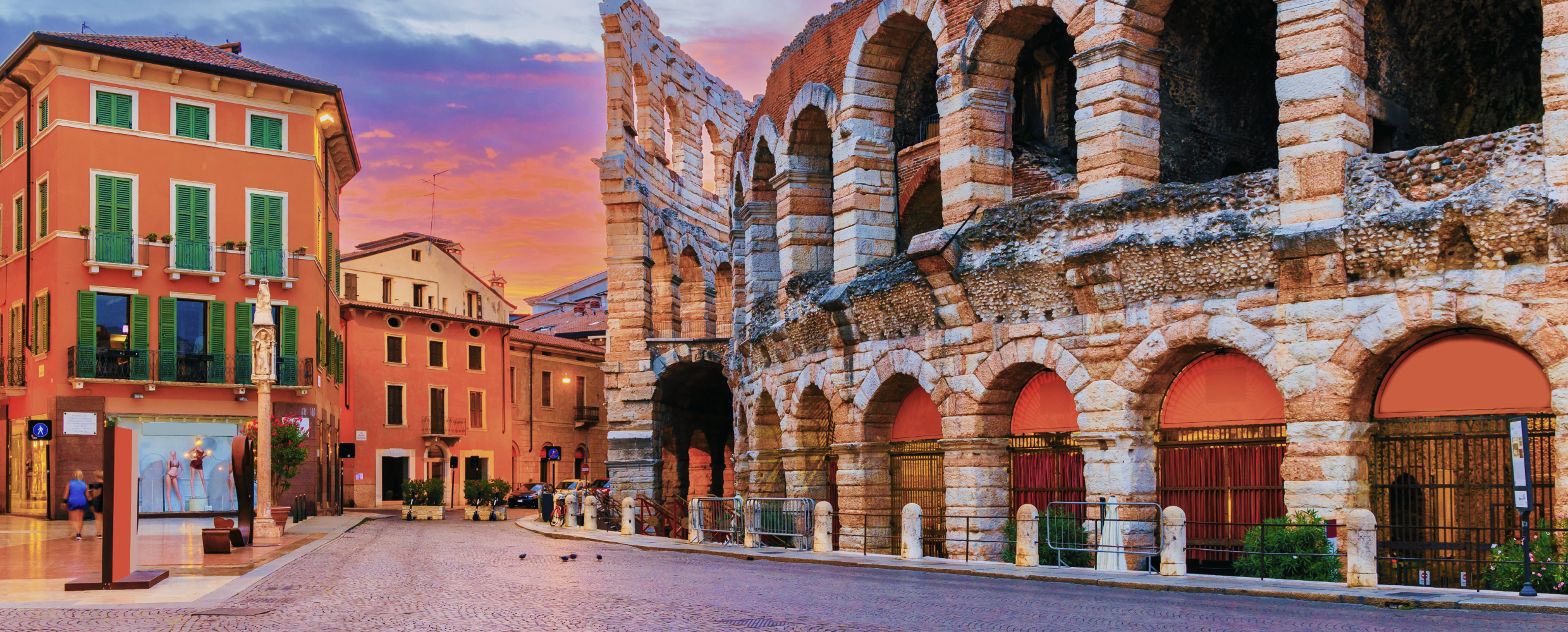
- A city base. Verona has an opera season, Roman ruins and proper restaurants. Chianti has villages.
- Fewer visitors. Though that is changing.
The trade-off is booking: almost nothing in Valpolicella accepts walk-ins. The guide to visiting Italian wineries covers how that works.
Doing both
They combine well, and the contrast teaches more than either alone. Florence to Verona is about three hours by direct train.
A workable ten-day split:
| Nights | Base | Covers |
|---|---|---|
| 4 | Florence or Chianti | Chianti Classico, Montalcino |
| 3 | Verona | Valpolicella, Soave, Lake Garda |
| 2–3 | Venice | An hour from Verona |
Tasting Chianti Classico and Amarone within the same week — same country, opposite philosophies of what a red wine is for — is the most instructive thing a first Italian wine trip can do.
If you are basing yourself in Verona
The Taste of Valpolicella tour follows the Classico–Ripasso–Amarone progression with one producer, which is the clearest way to understand what appassimento does. The Surprise Wine Day widens the frame: one to three cellars across the Veronese appellations, chosen by your guide.
For the wider route, see the northern Italy itinerary and when to visit.
Frequently Asked Questions
Should I visit Tuscany or Valpolicella for wine?
It depends on how much time you have and what you want the days to feel like. Tuscany is the more famous landscape and offers greater variety — Chianti, Montalcino and Montepulciano are genuinely different wines — but the zones are one to two hours apart, so a week gets you three or four estates with a lot of driving between them. Valpolicella is far more compact: estates sit ten to twenty minutes apart, twenty to thirty minutes from Verona, so two visits and a long lunch fit comfortably into a single day. If you have a week for wine, Tuscany. If you have two or three days inside a broader Italian trip, Valpolicella delivers more per hour.
Is Chianti or Amarone the better wine?
They are built for different purposes. Chianti Classico is a Sangiovese-based red with high acidity and moderate tannin, designed to sit alongside food — it is a table wine in the best sense, and it is why Tuscan cooking and Tuscan wine fit together so naturally. Amarone is made from grapes dried for around four months before pressing, producing a dry red of 15 to 16 percent that overwhelms delicate food and works better as a main-course or after-dinner wine. Neither is superior; they solve different problems.
Can I visit both Tuscany and Valpolicella in one trip?
Yes, and it is a good pairing because the contrast is instructive. Florence to Verona takes roughly three hours by direct train, or a little over three by car. A workable split for ten days is four nights in or near Florence for Tuscany, three in Verona for Valpolicella, Soave and Lake Garda, and the remainder in Venice, which is an hour from Verona. Doing both in under a week means spending most of it in transit.
Which region is cheaper to visit?
Valpolicella, generally. Tastings in Tuscany's best-known zones — particularly Montalcino — have been priced for international demand for decades, and accommodation in the Chianti hills carries a premium. Around Verona, a guided tasting typically runs €20 to €50 per person and a city hotel costs less than a Tuscan agriturismo in season. The bigger saving is transport: shorter distances mean fewer hours and less fuel.
Is Valpolicella less touristy than Tuscany?
Considerably, though that is changing. Tuscany has been a mass wine-tourism destination since the 1980s and the infrastructure reflects it — signposted routes, purpose-built tasting rooms, English spoken everywhere. In Valpolicella most estates remain working family farms that receive visitors by appointment, and the person pouring is frequently the person who made the wine. That is the appeal, and also the constraint: you cannot turn up unannounced.
Planning a trip?
Get the free 3-day Valpolicella plan
The itinerary we'd build for a first visit — yours by email, plus occasional guides from Verona. No spam.
No spam, and we never share your address. Unsubscribe any time.